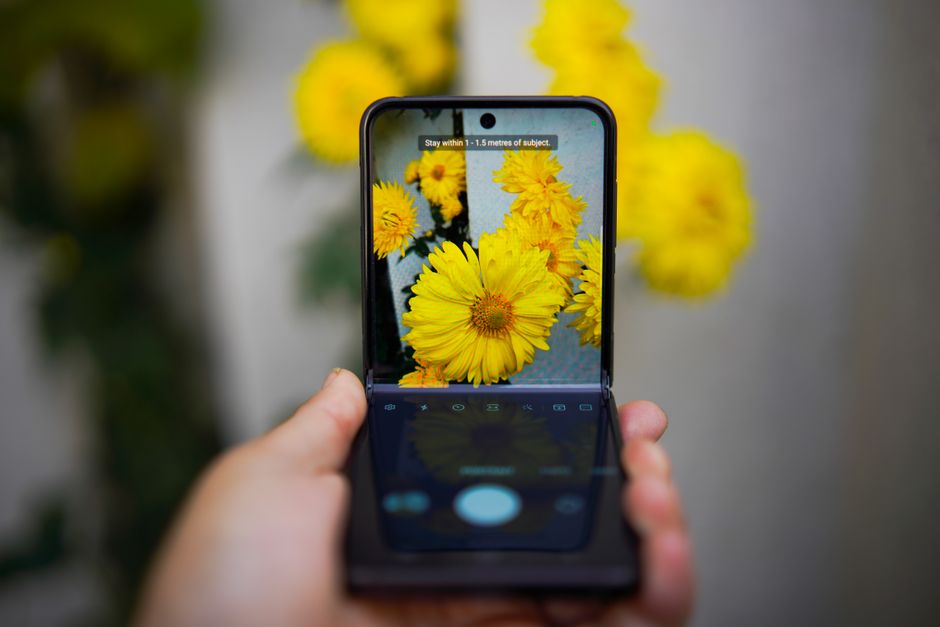
Another day, another Google hardware leak. Are we still pretending these are “accidents,” or has the endless drip-feed of **Pixel** device information become a feature, not a bug, in their marketing playbook? The tech world’s worst-kept secrets continue to spill, long before any grand reveal.
According to The Verge, renders of the unannounced Google Pixel 11 Pro Fold have surfaced, courtesy of leaker Evan Blass on his Substack. These purported marketing images suggest that Google’s next foldable will bear a strong resemblance to its predecessor, weeks ahead of the official hardware event.
The Perennial Pixel Leak Cycle
This isn’t just about one phone; it’s a recurring pattern, a Google tradition almost. Every year, without fail, details about new Pixel devices, from phones to watches to earbuds, escape the corporate confines well in advance. Meanwhile, Evan Blass, a name synonymous with early revelations, continues to cement his reputation as the bane of tech marketing departments and the darling of gadget enthusiasts. His track record is impeccable, making these renders highly credible.
The timing, as always, is curious. Is this a sophisticated, controlled release to build hype, or a genuine failure of internal security? Google operates in a cutthroat market, dominated by giants like Samsung and Apple, both of whom guard their secrets with far greater ferocity. Samsung, in particular, has poured billions into establishing its foldable dominance. Therefore, any perceived stagnation in design for the Google Pixel 11 Pro Fold could be a critical misstep.
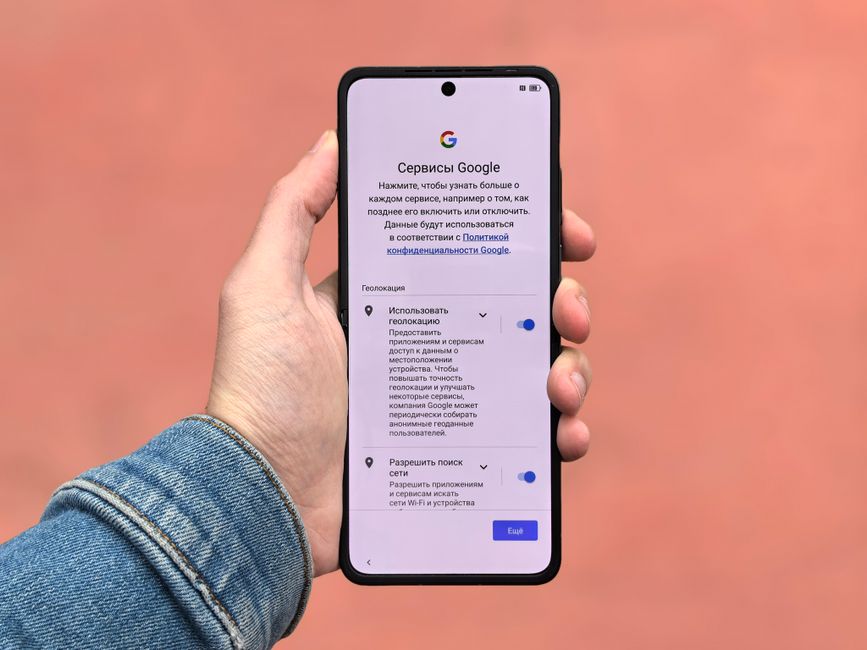
The foldable phone market is still nascent, yet maturing rapidly. Consumers are looking for innovation that justifies premium price tags, not just iterative updates. What Google presents next will dictate its long-term viability in this high-stakes segment.
Innovation or Iteration? The Foldable Dilemma
If these renders are accurate, and the new **Pixel** foldable indeed mirrors last year’s design, it raises pointed questions about Google’s hardware strategy. Is this a sign of design maturity, or a stark admission that true hardware innovation has hit a wall? For a company that positions itself at the forefront of AI and software, a stagnant physical form factor feels like a missed opportunity. One might argue that a stable hardware design allows Google to focus its formidable AI and software prowess on refining the user experience. However, the market demands more than just incremental tweaks; it craves a ‘wow’ factor.
On the one hand, a consistent design language could reassure users, suggesting Google has found a form that works and is now refining the internals. This approach might appeal to early adopters who value reliability over radical shifts. For the technology-AI desk, this perspective is crucial. Perhaps Google is betting that its AI advancements, which are increasingly baked into every interaction, will be the true differentiator. A familiar chassis could actually be beneficial, providing a stable platform for pushing the boundaries of on-device AI and ambient computing, making the hardware almost invisible as the AI takes center stage.
On the other hand, in an industry obsessed with “next big things,” merely looking “similar” can be a death knell. It risks making the new **Pixel** foldable feel dated before it even hits shelves. Furthermore, a lack of visual distinction makes it harder for consumers to justify upgrading, particularly in a segment where prices remain stubbornly high. This isn’t just about aesthetics; it’s about signaling intent. Is Google truly committed to pushing the envelope in hardware, or are they content to play catch-up, relying solely on their software might? The mainstream narrative will likely focus on the perceived lack of physical innovation, potentially overshadowing any genuine breakthroughs in AI integration or battery life.
Consider the optics: While competitors like Samsung continue to experiment with different foldable forms and Apple reportedly gears up for its own entry, Google appears to be treading water. This conservatism could be interpreted as caution, or worse, a lack of vision. The stakes are immense; Google needs to prove it can innovate in both hardware and software, seamlessly blending them into a compelling experience. Relying solely on software to carry the burden of innovation, while formidable, might not be enough to capture the imagination of a discerning market.
The ultimate gamble here is whether the average consumer cares more about what’s *inside* their device or how *different* it looks. Google seems to be betting on the former, hoping its AI and software brilliance will compensate for a familiar exterior. This strategy is bold, but it also places immense pressure on the AI to deliver truly revolutionary experiences.
Ultimately, the persistent leaks surrounding the Pixel line aren’t just about a phone; they’re a window into Google’s strategic priorities. Are they prioritizing stability, or are they struggling to innovate? The answer will define the future of the **Pixel** brand in a fiercely competitive market.
Source: The Verge