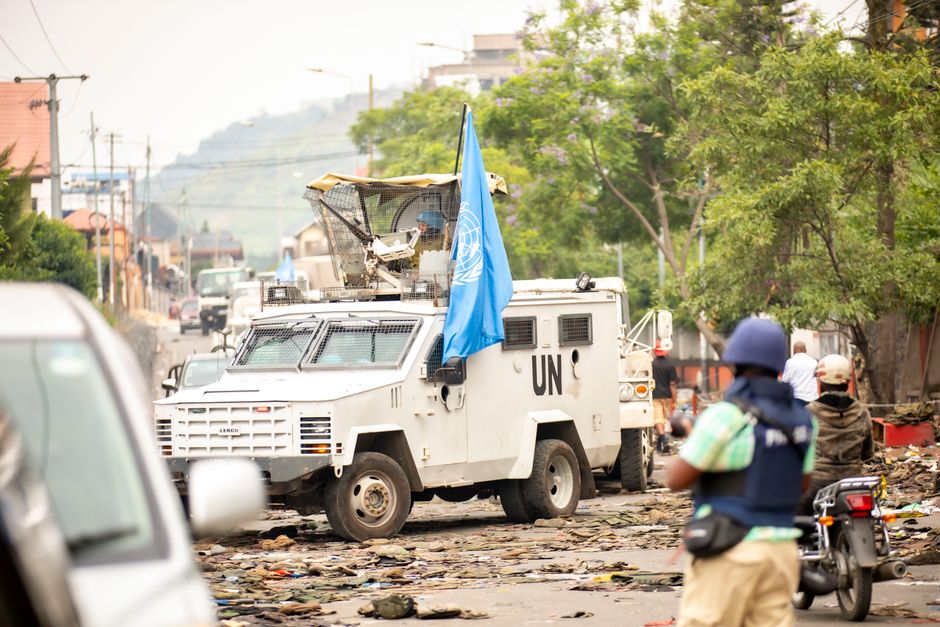
The relentless drumbeat of violence in Pakistan’s northwest should send shivers down the spine of anyone invested in regional stability. Another brazen **attack** has claimed the lives of those sworn to protect, revealing a deeply unsettling truth about the state’s grip on its own territory. This isn’t just a local skirmish; it’s a stark reminder of a simmering insurgency threatening to boil over.
According to Al Jazeera, an attack on a police post in northwest Pakistan tragically resulted in the deaths of 11 officers. This devastating incident underscores the persistent security challenges faced by the nation.
The Enduring Shadow of Insurgency in Pakistan’s Northwest
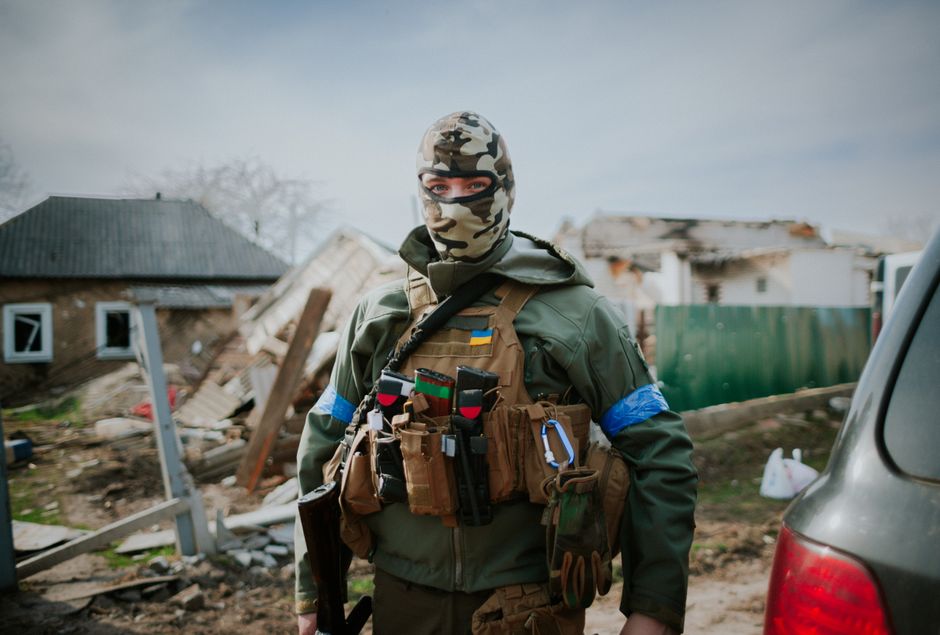
This latest deadly assault isn’t an isolated event; it’s a grim continuation of a conflict that has plagued Pakistan’s Khyber Pakhtunkhwa province for decades. The region, bordering Afghanistan, has long been a hotbed for various militant groups, most notably the Tehrik-i-Taliban Pakistan (TTP), or Pakistani Taliban. These groups exploit the rugged terrain and porous border, making effective state control a constant struggle.
The withdrawal of international forces from Afghanistan in 2021 emboldened these factions. It created a perceived vacuum, allowing militant outfits to regroup and intensify their operations on the Pakistani side of the Durand Line. Islamabad frequently points to cross-border sanctuaries in Afghanistan as a primary source of instability, complicating diplomatic relations between the two nations.
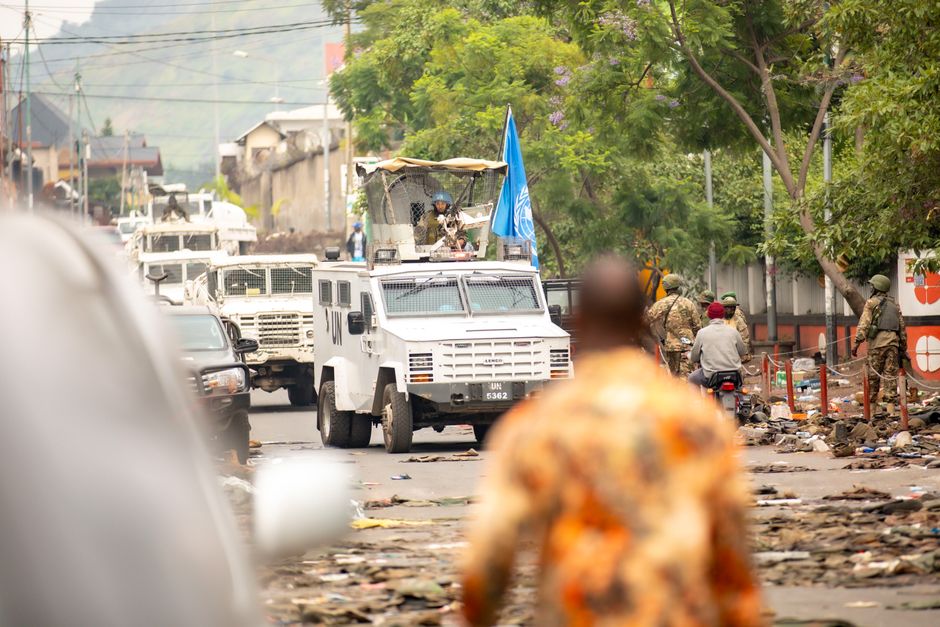
Pakistan’s security forces are locked in a high-stakes battle against an adaptable and resilient enemy. This ongoing struggle drains national resources and diverts attention from critical economic and social development. Each such attack chips away at public confidence in the state’s ability to provide basic security.
This particular incident highlights the vulnerability of frontline security personnel. They are often outgunned and outnumbered in remote areas, facing highly motivated and ruthless adversaries. It’s a testament to the persistent threat that continues to destabilize a crucial pivot point in South Asia.
The Unseen Stakes of This Attack
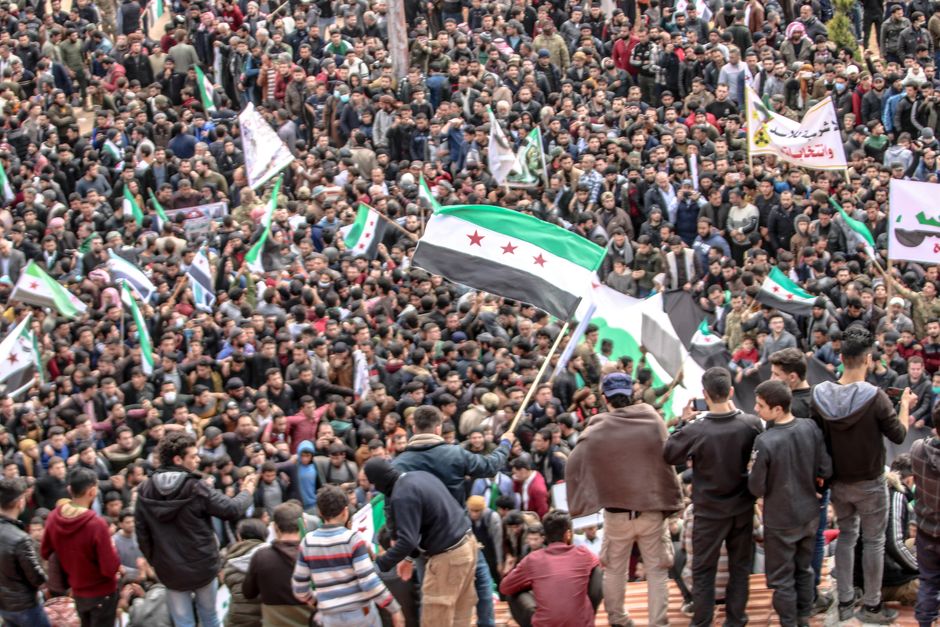
This tragic **attack** is more than just a casualty count; it’s a strategic blow to Pakistan’s efforts to project stability and control. For the militant groups, particularly the TTP, such incidents are propaganda victories. They demonstrate continued operational capability and serve as recruitment tools, signaling to potential fighters that they can still challenge the state. It allows them to maintain a narrative of resistance, however brutal, against what they perceive as an illegitimate government.
The Pakistani government, however, finds itself in a precarious position. A strong, retaliatory response is almost inevitable, driven by public pressure and the need to deter future attacks. Yet, large-scale military operations carry their own risks. They can alienate local populations, inadvertently fueling sympathy for militant causes, and often lead to civilian casualties, which further complicates counter-insurgency efforts. This cycle of violence and reprisal offers no easy off-ramp.
Moreover, the international community often overlooks the deep complexities of this conflict, viewing it through a narrow counter-terrorism lens. What’s truly at stake is the long-term stability of a nuclear-armed nation with a rapidly growing population. The economic fallout from persistent insecurity discourages foreign investment and exacerbates existing social inequalities, creating fertile ground for radicalization.
The real losers here are the ordinary citizens of Pakistan’s northwest. They live under the constant shadow of violence, caught between state forces and militant groups. Their lives are disrupted, their livelihoods destroyed, and their hopes for a peaceful future are repeatedly dashed. The narrative often focuses on geopolitics, but the human cost on the ground is immense and largely unaddressed by global headlines.
This latest **attack** also throws a spotlight on the diplomatic tightrope Pakistan walks with Afghanistan. Accusations of harboring militants routinely fly across the border, hindering any coordinated regional approach to counter-terrorism. Without genuine cooperation, this cross-border insurgency will continue to fester, undermining peace efforts on both sides.
So, as the world moves on, remember that this isn’t just a news item about “another attack.” It’s a bleeding wound on the map of South Asia, a stark reminder that stability is a fragile construct, constantly under siege. How many more lives must be sacrificed before a sustainable solution, beyond mere military might, is forged in this crucible of conflict?
Source: Google — South Asia