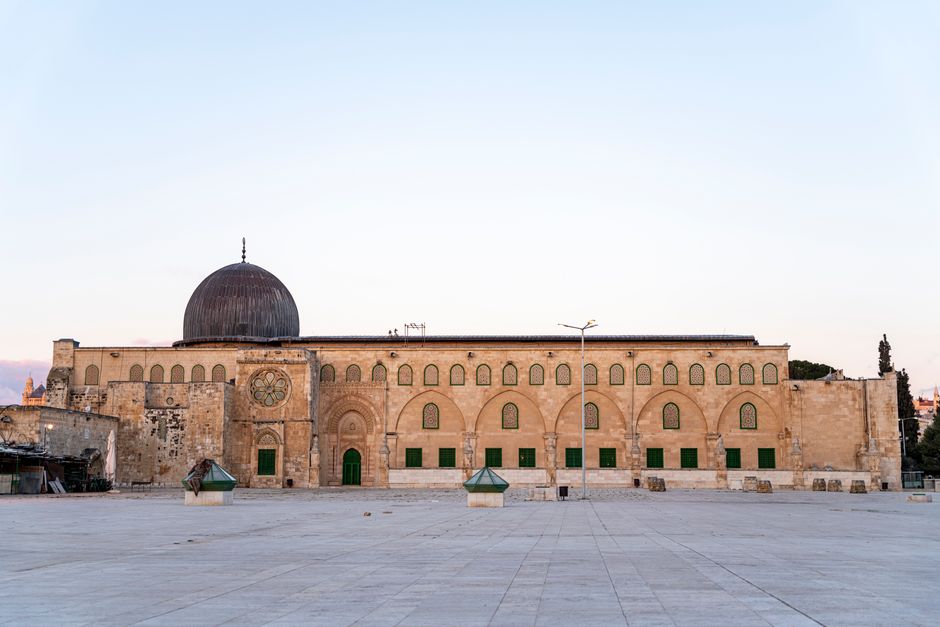
As the world watches, Israel is once again at the epicenter of a maelstrom of violence, with the latest wave of attacks by Israeli settlers on Palestinian mosques, cars, and farm land in the West Bank leaving a trail of destruction and despair. According to BBC Middle East, these attacks come on the heels of a deadly clash between settlers and Palestinians near the village of Tal, which resulted in the loss of four Palestinian and two Israeli lives. The question on everyone’s mind is: what is driving this surge in violence, and how will Israel respond to these egregious acts of aggression.
The facts are stark: the latest attacks have been characterized by a brazen disregard for human life and property, with masked settlers setting fire to mosques, cars, and farm land, leaving Palestinian communities reeling. Reuters reports that the Israeli military has been criticized for its handling of the situation, with many accusing them of turning a blind eye to the violence perpetrated by the settlers. Meanwhile, the international community is calling for restraint and calm, but the situation on the ground remains volatile.
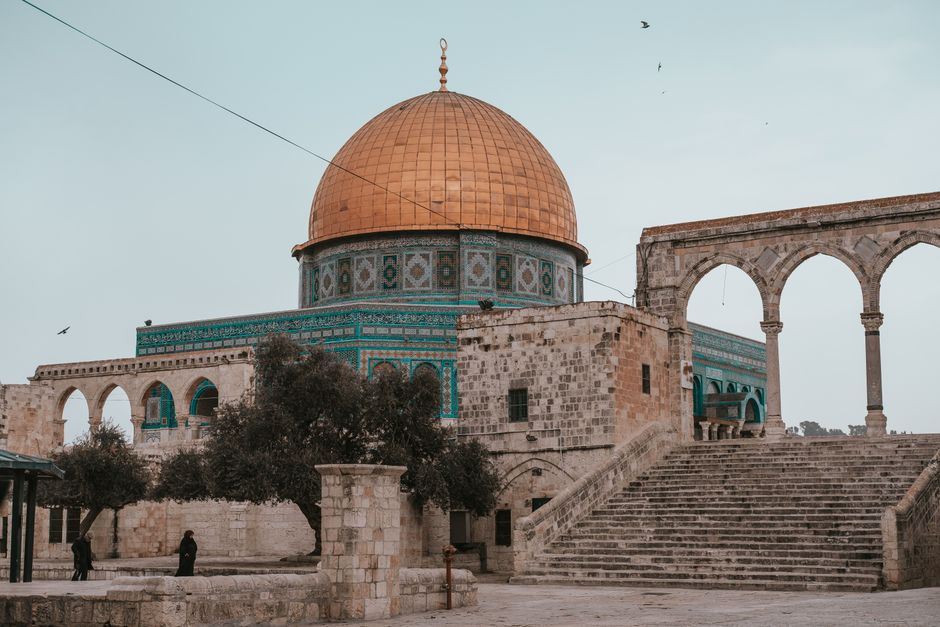
Context of the Conflict in Israel
The Israel-Palestine conflict is a longstanding and complex one, with deep-seated historical, cultural, and religious roots. However, the recent escalation in violence is a disturbing trend that threatens to derail any hopes of a peaceful resolution. The role of Israel in this conflict cannot be overstated, as its government’s policies and actions have a direct impact on the lives of Palestinians living in the West Bank and Gaza. As a result, the international community is closely watching Israel’s response to these attacks, and the country’s leadership is under pressure to take decisive action to quell the violence.
In fact, the situation in Israel is a microcosm of the larger regional dynamics at play, with the conflict between Israel and Palestine often serving as a proxy for other geopolitical rivalries. The involvement of other regional actors, such as Iran and Saudi Arabia, has further complicated the situation, making it increasingly difficult to find a lasting solution. On the other hand, there are those who argue that the conflict is a simple matter of Israeli occupation and Palestinian resistance, and that the only way forward is for Israel to withdraw from the occupied territories and allow for the establishment of a Palestinian state.
Role of Technology in Shaping the Narrative in Israel
The way in which the conflict in Israel is perceived and understood is often shaped by the narratives that dominate the media landscape. In recent years, the rise of social media and other digital technologies has transformed the way in which information is consumed and disseminated, with many Israelis and Palestinians taking to the internet to share their experiences and perspectives. However, this has also created new challenges, as the spread of misinformation and propaganda has become a major concern. As a result, it is more important than ever for those seeking to understand the conflict in Israel to be critically aware of the sources of information they consume, and to seek out diverse perspectives and viewpoints.
The use of technology and AI in shaping the narrative in Israel is a topic that warrants further exploration, particularly in the context of the current editorial focus on technology and AI explainers. In fact, the role of AI in analyzing and interpreting the vast amounts of data generated by social media and other digital platforms is a crucial one, as it can help to identify patterns and trends that might otherwise go unnoticed. However, the use of AI in this context also raises important questions about bias and accountability, and the need for transparency and oversight in the development and deployment of these technologies.
As the situation in Israel continues to unfold, it is clear that the country is at a crossroads, with the path forward uncertain. However, one thing is clear: the international community will be watching Israel’s response to these attacks closely, and the country’s leadership will be under pressure to take decisive action to address the root causes of the violence. Therefore, it is imperative that Israel takes a long-term view, and works towards a comprehensive and sustainable solution that addresses the needs and concerns of all parties involved. The question is, will Israel rise to the challenge, or will the cycle of violence continue to escalate, with devastating consequences for all involved.
In the end, the fate of Israel and the Palestinian people hangs in the balance, and the world is waiting with bated breath to see what the future holds. The conflict in Israel is a complex and multifaceted one, with no easy solutions or quick fixes. However, by working together and seeking common ground, it is possible to build a brighter future for all, one that is based on mutual respect, understanding, and a deep commitment to peace and justice. As a result, it is imperative that we continue to shine a light on the situation in Israel, and to hold all parties accountable for their actions, in the hopes of creating a more just and equitable world for all. The role of Israel in this process will be crucial, and the country’s leadership will be under intense scrutiny as the situation continues to unfold.
Source: BBC Middle East