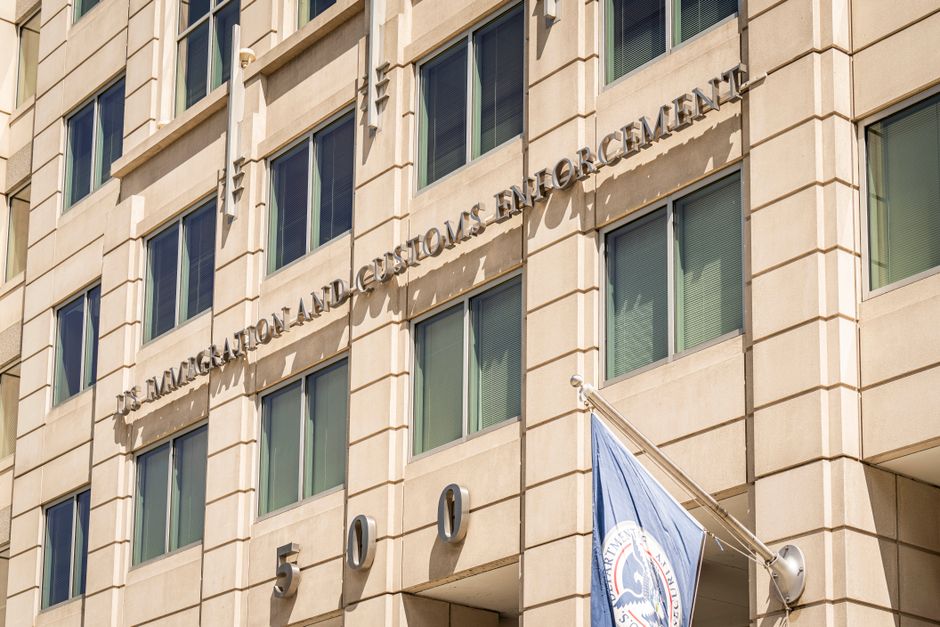
The latest move by a **Federal** agency to interview Afghan immigrants serves as a stark reminder that the promises of safe harbor, however well-intentioned, are often fraught with bureaucratic hurdles and unintended consequences.
The Washington Post recently pulled back the curtain on a federal agency’s quietly initiated effort to conduct follow-up interviews with Afghan immigrants who arrived in the U.S. following the chaotic withdrawal from Kabul. This initiative, described by the Post, has predictably sent ripples of alarm through refugee advocacy groups and the Afghan community itself. It’s a situation layered with the delicate balance of national security concerns, humanitarian commitments, and the very real trauma of displacement.
While the specific agency and its precise mandate remain somewhat shrouded, the reported intention is clear: to revisit the cases of individuals granted humanitarian parole, a status that allowed rapid entry but often bypasses the more rigorous vetting of traditional refugee processes. This comes at a time when the initial rush to resettle Afghans has settled into a grinding reality, with many still navigating complex pathways to permanent residency. The political backdrop, of course, includes ongoing debates about immigration policy and border security, casting a long shadow over any review process.
What landed
The agency’s stated rationale, as reported by The Washington Post, appears to be rooted in a desire for thoroughness and ensuring the integrity of the immigration system. One might even appreciate the impulse for due diligence, particularly given the rapid and unprecedented nature of the initial evacuation. The implicit message is that security is paramount, and no stone should be left unturned in verifying the identities and backgrounds of those who have settled here. This commitment to security, when articulated clearly and transparently, can be a reassuring message to the broader public.
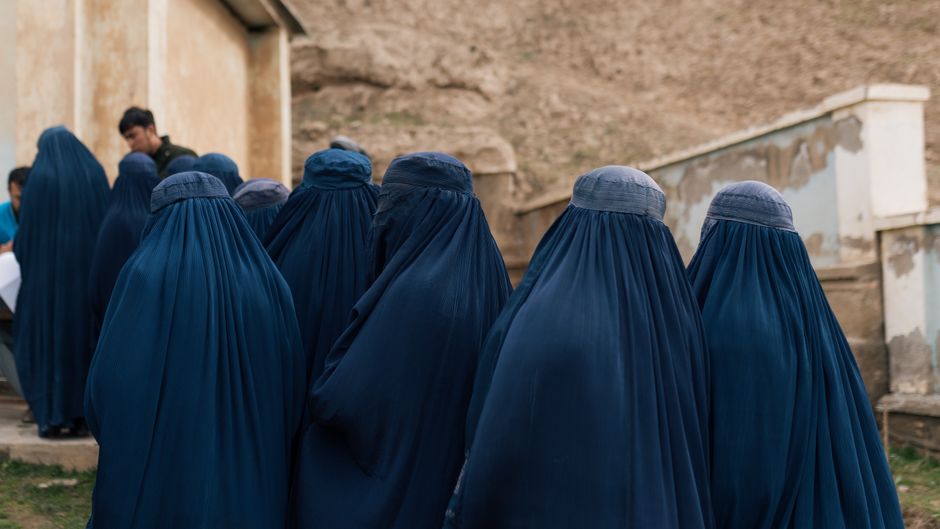
However, the more immediate and potent landing was the swift, visceral reaction from refugee groups. Their alarm, widely reported, speaks volumes. Organizations like Human Rights First and the International Rescue Committee have rightly highlighted the potential for these interviews to re-traumatize individuals who have already endured unspeakable hardship and displacement. They emphasize the trust implications, noting that many Afghans were already wary of government authorities, and this new layer of scrutiny could erode what little confidence has been built. It’s a powerful and necessary counter-narrative, grounding abstract policy in the lived experience of vulnerable people.
What doesn’t add up
Despite the agency’s presumed good intentions, there’s a distinct disconnect between the stated goal of verification and the practical implications for those affected. One has to question the timing of these interviews. Why now, years after arrival, rather than an expedited, comprehensive process closer to their initial entry? This delay inevitably creates a chilling effect, suggesting a retroactive doubt that wasn’t voiced during the immediate humanitarian crisis. It feels less like a proactive security measure and more like a belated, perhaps politically motivated, reassessment.
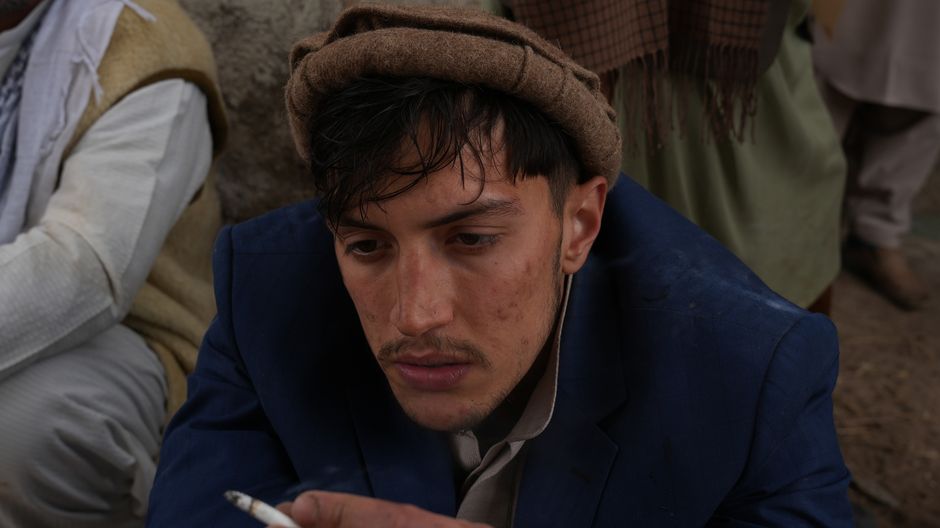
Furthermore, the agency’s approach raises eyebrows regarding consistency. While the administration has, at times, championed humanitarian pathways, this move risks appearing to backtrack on assurances of safety and welcome. There’s a wry irony in subjecting individuals, many of whom aided U.S. efforts in Afghanistan, to renewed suspicion after they’ve begun rebuilding their lives. It’s a policy that, while perhaps aiming for robust security, risks fostering deep distrust and anxiety within a community that has already given so much, and lost even more. The very act of re-interviewing could be seen as an admission that the initial vetting was somehow inadequate, yet without clear communication, it only breeds speculation and fear.
What changes Monday morning is the quiet hum of anxiety within Afghan communities across the U.S. For those who arrived seeking refuge, the prospect of a knock on the door, or a summons for an interview, transforms a sense of hard-won stability into renewed apprehension. It shifts the narrative from integration to interrogation, a subtle but significant setback for both humanitarian efforts and the very idea of America as a beacon of hope.
Source: Google — Leader interviews