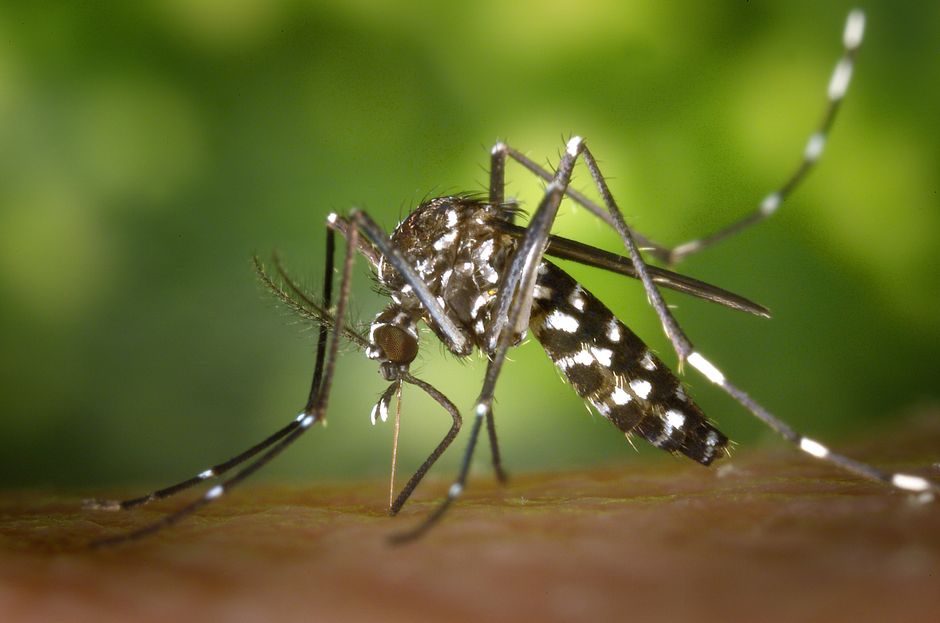
What is the most effective way to combat the rising threat of mosquito-borne diseases in densely populated regions like Sri Lanka, where dengue has already claimed 56 lives and infected over 77,000 people this year? According to BBC Asia, the South Asian nation is turning to drones as a part of its strategy to fight this menace. This move comes as the country struggles to contain the spread of dengue, a disease that has become all too familiar in recent years.
The situation on the ground is dire, with the number of cases and fatalities mounting by the day. Reuters reports that the Sri Lankan government has been working tirelessly to find innovative solutions to this problem, and the use of drones is just one aspect of their multi-pronged approach. However, the question remains: what can be done to prevent such outbreaks in the first place, and what role can technology play in this endeavor?
Understanding the Context of Mosquito-Borne Diseases
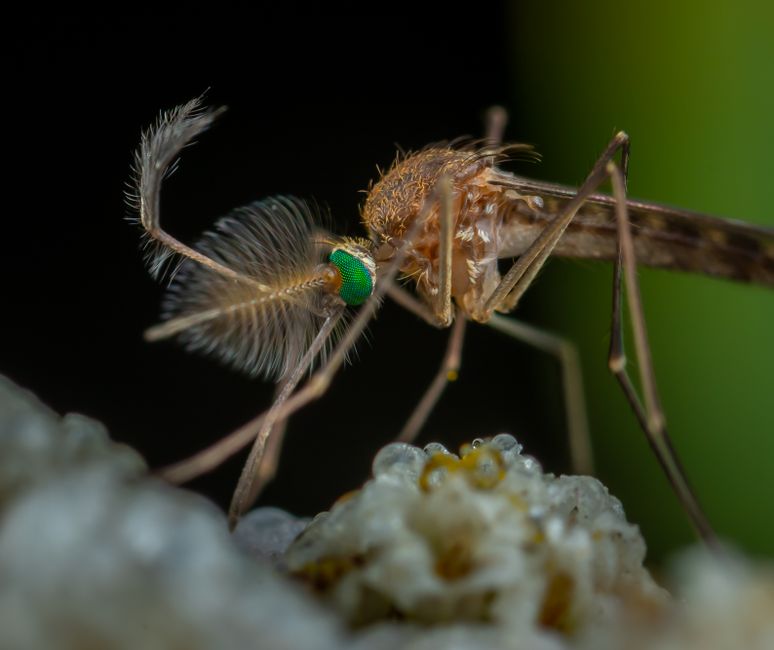
The fight against mosquito-borne diseases like dengue is a complex one, involving not just the use of drones but also a deep understanding of the factors that contribute to their spread. What makes certain regions more susceptible to these diseases, and what can be done to mitigate these risks? In the case of Sri Lanka, the country’s tropical climate and dense population make it an ideal breeding ground for mosquitoes, which are the primary vectors of diseases like dengue. Therefore, it is crucial to develop strategies that take into account these factors and provide a comprehensive approach to combating the spread of these diseases.
Meanwhile, the use of drones in this context is an interesting development, one that raises important questions about the role of technology in public health. What are the potential benefits of using drones to fight mosquito-borne diseases, and what are the limitations of this approach? On the one hand, drones can be used to identify and target areas where mosquitoes are breeding, allowing for more effective deployment of resources. On the other hand, this approach may not address the underlying issues that contribute to the spread of these diseases, such as poor sanitation and lack of access to healthcare.
In fact, the situation in Sri Lanka highlights the need for a more nuanced understanding of what works and what doesn’t in the fight against mosquito-borne diseases. What can be learned from the experiences of other countries that have faced similar challenges, and how can this knowledge be applied to develop more effective strategies? The use of drones is just one part of the equation, and it is crucial to consider the broader context in which these diseases spread.
Examining the Role of Drones in Fighting Mosquito-Borne Diseases
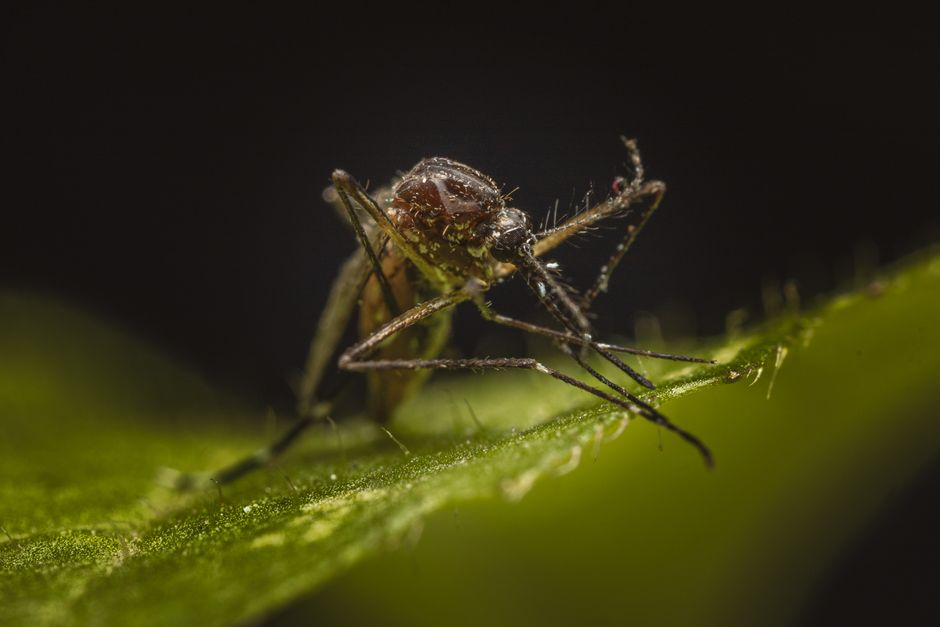
As Sri Lanka continues to grapple with the challenges posed by dengue, the question of what role drones can play in this effort remains a pressing one. What are the potential benefits of using drones, and how can they be integrated into existing public health strategies? According to experts, drones can be used to spray insecticides, monitor mosquito populations, and even deliver medical supplies to affected areas. However, what are the potential risks and limitations of this approach, and how can they be mitigated?
The answer to this question is complex, and it depends on a variety of factors, including the specific context in which the drones are being used and the resources available to support their deployment. What is clear, however, is that the use of drones has the potential to be a game-changer in the fight against mosquito-borne diseases, particularly in regions where traditional methods of control are not effective. As a result, it is crucial to continue exploring the possibilities of this technology and to develop strategies that take into account the unique challenges and opportunities posed by its use.
What the Future Holds for Mosquito-Borne Disease Control
As the world continues to grapple with the challenges posed by mosquito-borne diseases, the question of what the future holds for their control is a pressing one. What new technologies and strategies will emerge, and how will they be used to combat the spread of these diseases? In the case of Sri Lanka, the use of drones is just one part of a broader effort to develop innovative solutions to this problem. However, what can be learned from the experiences of other countries, and how can this knowledge be applied to develop more effective strategies?
The answer to this question will depend on a variety of factors, including the continued development of new technologies and the ability of governments and public health officials to adapt to changing circumstances. What is clear, however, is that the fight against mosquito-borne diseases will require a sustained and multifaceted effort, one that takes into account the complex interplay of factors that contribute to their spread. As a result, it is crucial to continue exploring new approaches and strategies, including the use of drones, and to develop a deeper understanding of what works and what doesn’t in this context.
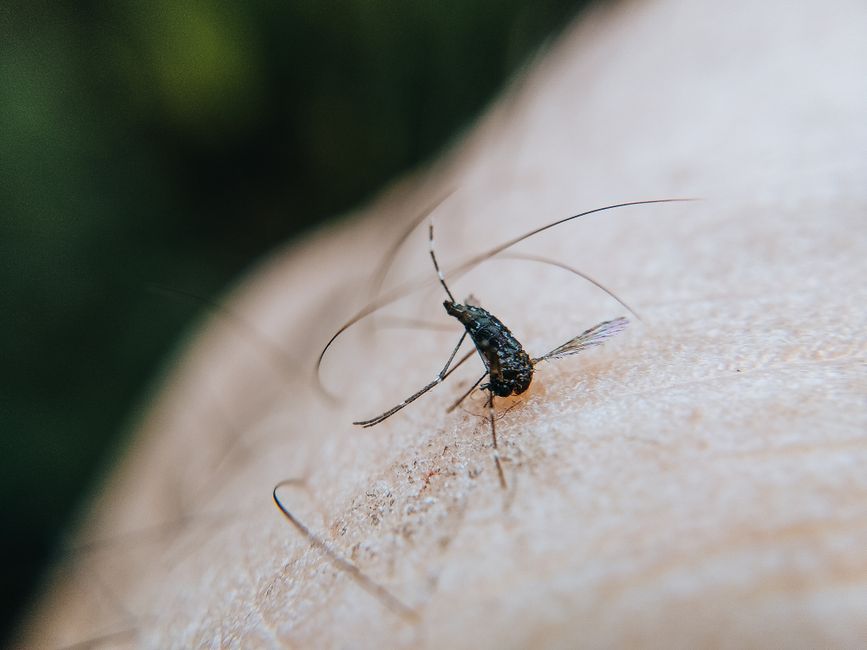
In conclusion, the use of drones to fight mosquito-borne diseases in Sri Lanka is an important development, one that highlights the need for innovative solutions to this complex problem. What the future holds for the control of these diseases is uncertain, but one thing is clear: it will require a sustained and multifaceted effort, one that takes into account the unique challenges and opportunities posed by the use of new technologies. As a result, it is crucial to continue exploring the possibilities of this approach and to develop strategies that prioritize the needs of affected communities. What will be the outcome of this effort, and what can be learned from the experiences of Sri Lanka and other countries that are grappling with similar challenges? Only time will tell, but one thing is certain: the fight against mosquito-borne diseases will continue to be a pressing concern for years to come.
Source: BBC Asia