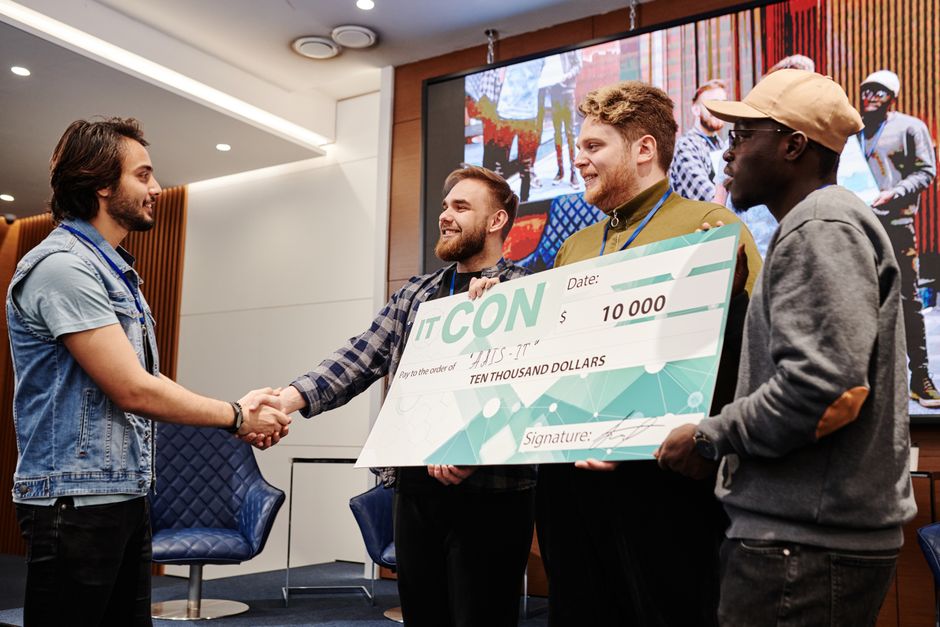
Another day, another media giant brought low by the power of the courts, and an ex-Coronation Street actor is the latest to teach them a lesson. It’s a familiar dance, isn’t it? A colossal media machine prints something reckless, a public figure feels the sting, and eventually, the legal system steps in to demand a reckoning.
According to BBC UK, Qasim Akhtar, known for his role as Zeedan Nazir in Coronation Street, is set to receive “substantial” libel damages from the publisher of The Sun. This significant settlement resolves a High Court libel claim filed by Akhtar last year, concluding a battle that highlights the persistent tension between press freedom and personal reputation. The details of the original story remain under wraps, but the outcome speaks volumes about the alleged wrongdoing.
The Price of Recklessness: An Ex-Actor’s Stand
This isn’t just about a single celebrity or a solitary tabloid story; it’s a recurring act in the long-running drama of British media accountability. The UK’s libel laws have a well-earned reputation for being among the strictest in the world, often tipping the scales in favour of the claimant. For decades, major newspaper groups have faced a relentless barrage of claims, many resulting in substantial payouts and public apologies. Think of the phone-hacking scandals that rocked Fleet Street, leading to the Leveson Inquiry and a profound, if sometimes fleeting, introspection within newsrooms. The Sun, and its parent company News Group Newspapers (NGN), have been no strangers to these battles.
Public figures, from politicians to actors like Akhtar, live under intense scrutiny. Their lives are often deemed fair game for public consumption, yet even they have a right to factual accuracy and protection from defamation. When a story, whether based on rumour or outright fabrication, crosses the line, the damage can be catastrophic. Reputations painstakingly built over years can crumble in moments. This is why cases like Akhtar’s are so crucial; they serve as a potent reminder that even the most powerful media organisations are not above the law. The term “substantial damages” isn’t boilerplate; it signifies a significant financial penalty, reflecting the severity of the libel and the impact it had on the individual. It’s a sum large enough to hurt, to demand attention, and to perhaps, just perhaps, make editors think twice before hitting ‘publish’.
Who Really Wins When The Sun Pays Up?
On the surface, it looks like a clear win for Qasim Akhtar. He has secured financial compensation and, crucially, a public acknowledgement of wrongdoing. This kind of resolution offers a measure of vindication, restoring an individual’s honour after it has been tarnished by a powerful institution. It sends a message that even an ex-soap star can stand up to a media Goliath and win. This is important for individual justice and for reinforcing the principle that truth matters.
However, let’s not pretend this is a magic bullet for media ethics. For behemoths like News Group Newspapers, these “substantial damages” often become little more than a cost of doing business. A few million here, a few million there – it’s a regrettable line item on the annual budget, not a fundamental challenge to their operational model. The truly cynical might even argue that the sensational stories, even the libellous ones, often sell enough copies or generate enough clicks to offset the eventual legal costs. The thirst for salacious gossip, for stories that titillate and outrage, remains undiminished among a segment of the public. As long as the demand exists, some publications will undoubtedly continue to push the boundaries, calculating the risk versus the reward.
The real losers here, beyond the individual who was defamed, are often the public and the broader trust in journalism. When major news outlets are routinely found guilty of publishing falsehoods, it erodes the very foundation of informed discourse. It feeds into a narrative of “fake news” and makes it harder for legitimate, ethical journalism to be heard above the noise. While these libel payouts offer a retrospective remedy, they don’t prevent the initial damage, nor do they often lead to profound, lasting systemic change within the industry. The legal process is also slow, arduous, and prohibitively expensive for most ordinary citizens. Only those with significant resources, or the backing of a legal firm willing to take a chance, can truly challenge such media giants. An ex-actor like Akhtar has a public profile that lends weight to his claim, but what about the countless others whose reputations are unfairly dragged through the mud without the means to fight back? Their stories rarely make the BBC news.
This settlement, therefore, is a testament to the enduring power of the law to hold even the mightiest to account, but it also exposes the limitations of that power. It’s a punitive measure, not a preventative one. It doesn’t necessarily change the culture that led to the original publication, nor does it guarantee a future where truth always triumphs over sensation. It merely means that when the dice roll wrong, the chequebook comes out.
So, while we applaud Akhtar’s victory, let’s not mistake it for a revolution. It is an important battle won, yes, but the war for truly responsible, ethical journalism, particularly in the cutthroat world of the British tabloids, continues to rage. Until the cost of truth becomes cheaper than the price of defamation, expect more actors, ex or otherwise, to take their pound of flesh from Fleet Street’s pockets.
Source: BBC UK