
India’s aviation sector is about to get even more turbulent, and it seems **Billionaire Adani** is the pilot ready to shake up the cockpit. For years, the skies above India have been carved up by a cozy duopoly, but that era might be ending with a bang, not a whimper. This isn’t just another business expansion; it’s a power play that could reshape a vital industry.
According to sources cited by Reuters, Gautam Adani is actively weighing the launch of a new airline. This move would thrust his sprawling conglomerate directly into India’s highly competitive, yet increasingly concentrated, aviation market.
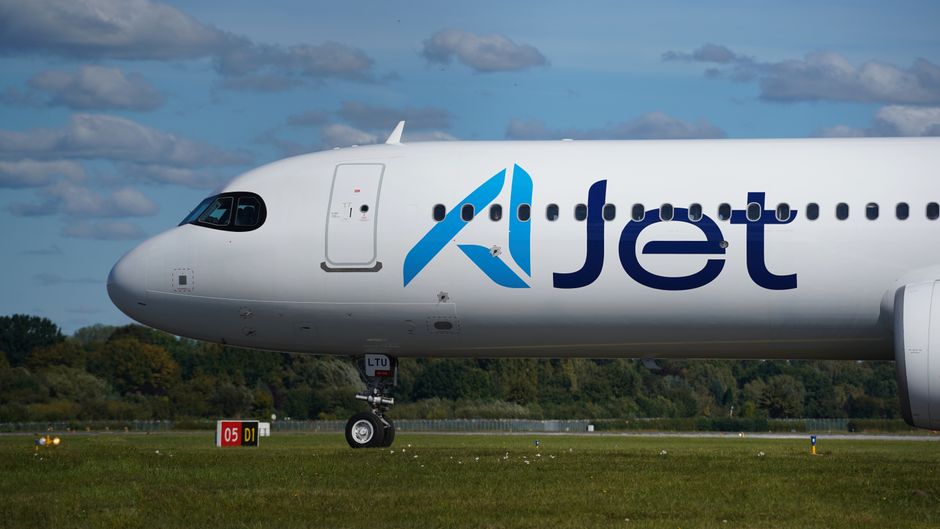
The Adani Group’s Aviation Ambition
Why now? The Indian aviation market, despite its recent turbulence from fuel prices and pandemics, is a high-growth sector. It connects a vast, aspirational middle class across the subcontinent, and demand for air travel continues to surge. However, the existing landscape is dominated by just two major players.
IndiGo holds a significant market share, while the Tata Group has consolidated its presence through Vistara, Air India, and AirAsia India. This effectively creates a duopoly, limiting consumer choice and potentially stifling innovation. Enter the Adani Group, already a behemoth in infrastructure.

The conglomerate operates a substantial portfolio of airports across India, including key hubs like Mumbai, Ahmedabad, and Lucknow. This existing infrastructure provides a powerful strategic advantage, a captive ecosystem for an airline. Imagine controlling the runway and the planes that land on it – that’s the vertical integration Adani is eyeing.
This isn’t merely about adding another line of business; it’s about completing a logistics chain. From ports to power, and now potentially planes, the Adani empire seeks to own every crucial link in India’s economic machinery. This ambition is precisely what makes his potential entry so significant and, for some, so concerning.

High Stakes in the Indian Skies
If **Billionaire Adani** launches an airline, the immediate impact will be felt by existing carriers. IndiGo and the Tata Group will face a formidable new competitor backed by immense capital and an integrated airport network. This could trigger a brutal price war, a scenario that, while potentially beneficial for consumers in the short term, often leads to consolidation and fewer choices down the line. We’ve seen this play out in various industries globally.
However, the bigger picture here is about the nature of corporate power in India. The Adani Group has expanded rapidly into sectors traditionally dominated by others, often leveraging its deep government connections and massive investment capacity. An airline venture would solidify its position as an unavoidable force in the national economy, further concentrating influence in the hands of a few powerful conglomerates. This raises legitimate questions about market fairness and anti-competitive practices, even if the initial effect is lower fares.
Furthermore, launching an airline is no small feat. It requires enormous upfront capital, meticulous operational planning, and navigating complex regulatory hurdles. Adani’s entry would certainly inject a new dynamic, but it also means an already cut-throat industry could become even more volatile. Smaller, independent carriers might find themselves squeezed out entirely as the giants battle for market share. This isn’t just about a new airline; it’s about a new chapter in India’s corporate narrative, one where fewer, larger players control more of the economic pie.
The implicit message is clear: if you control the infrastructure, you control the game. With airports under his belt, Adani can offer concessions, streamline operations, and potentially dictate terms in a way a standalone airline cannot. This vertical integration is a double-edged sword: it promises efficiency, but it also creates formidable barriers to entry for anyone else daring to challenge the established order. The future of Indian aviation, therefore, isn’t just about competitive pricing; it’s about the very structure of its market.
So, as **Billionaire Adani** reportedly mulls this bold move, the question isn’t whether the Indian skies will see a new player, but whether this new player will bring genuine competition or simply consolidate more power into fewer hands, ultimately changing the game for everyone but the consumers who still crave truly diverse options.
Source: Google — South Asia