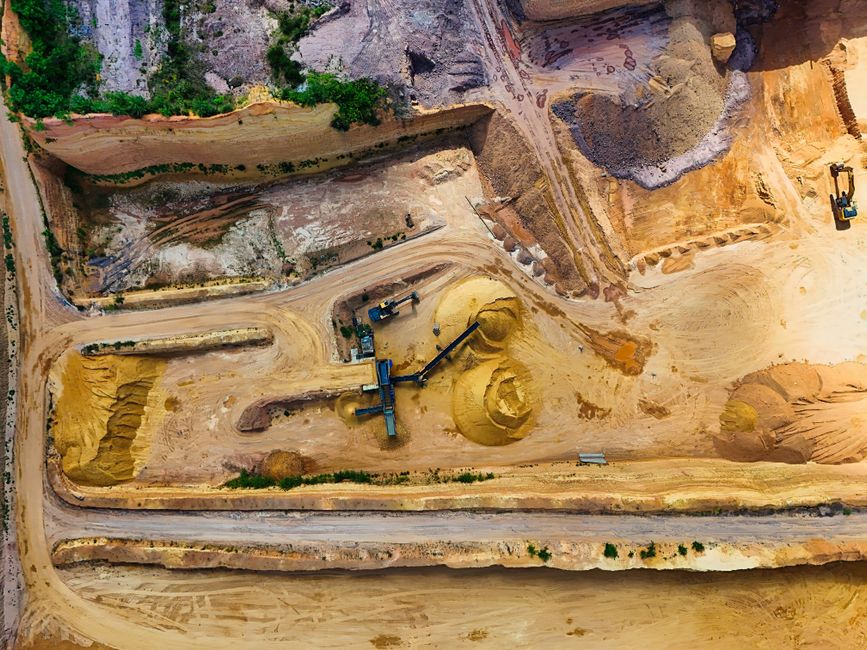
The market, ever-anxious for clarity, received a dose of it this week as Orezone Gold Corporation offered an update designed to soothe. The news: **Orezone Resumes** operations at its Casa Berardi mine, along with a firm hand on the tiller regarding 2026 production guidance.
Orezone, trading on the TSX, ASX, and OTCQX, issued a press release via GLOBE NEWSWIRE on July 20, 2026. The Vancouver-based company announced that its Quebec operations at Casa Berardi had resumed on July 1, and crucially, it was reaffirming its full-year 2026 production guidance. This statement arrives in a mining sector perpetually sensitive to operational stability and projected output, making such reassurances vital for investor sentiment.

The political context for any mining entity often boils down to market confidence and operational certainty. A disruption, even a temporary one, can send jitters through shareholder ranks. Therefore, this announcement serves as a strategic communication, aiming to quickly re-establish the narrative of steady progress and reliable forecasts.
What landed
The primary message Orezone intended to land was unequivocal: business as usual, or at least, back to it. The announcement that operations at Casa Berardi “resumed… on the evening of July 1” provides a clear, albeit somewhat delayed, timeline for the return to productivity. This in itself is a positive signal, indicating that whatever prompted the pause has been addressed and overcome.

Even more significant for the bottom line, and for investor confidence, is the company’s decision to “reaffirm its 2026 production guidance.” In the world of resource extraction, few statements carry as much weight as a steadfast commitment to earlier output projections. It suggests that the recent operational hiccup was either minor in its long-term impact or that the company is confident in its ability to quickly make up any lost ground. For a market segment that thrives on predictability, Orezone delivered a potent dose of it.
What doesn’t add up
While the news is undeniably positive, the careful framing of the announcement leaves a few questions lingering, like dust after a blast. The phrase “operations resumed” implies, quite directly, that they had *ceased*. What, precisely, caused this cessation? The press release is conspicuously silent on the matter, offering no explanation for the initial disruption, its duration, or any potential costs incurred. Such an omission, while perhaps strategically minimalist, forces one to wonder about the full picture.
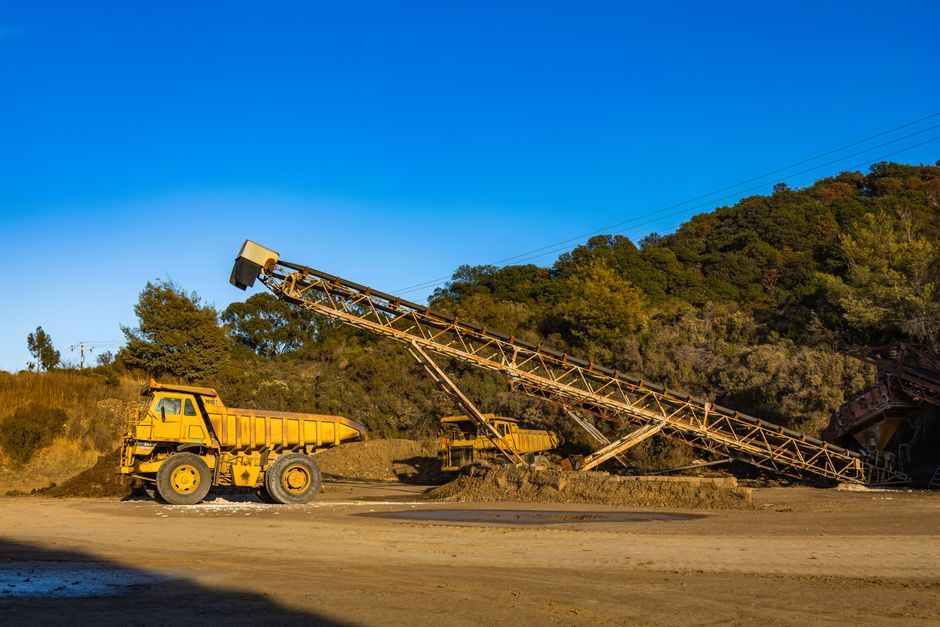
Moreover, the prompt “reaffirmation” of 2026 production guidance, coming just weeks after operations restarted, seems almost… too easy. Was the guidance so robust that a halt in operations could have no material impact? Or is this a calculated move to swiftly assuage investor fears, perhaps ahead of a more thorough assessment of catch-up capabilities? The very act of “reaffirming” suggests that the guidance was, at some point, implicitly or explicitly, *under review*. The market, after all, isn’t known for its boundless optimism when operations hit a snag. The stated confidence, while welcome, begs a deeper dive into the resilience of the original projections. It’s a subtle dance between transparency and reassurance, and Orezone opted for a tight embrace of the latter.
Come Monday morning, investors will be processing this reaffirmation, likely weighing the relief of resumed operations against the lingering questions about the disruption itself. The message is clear: Orezone is back in business and sticking to its targets. But the subtext, for those who read between the lines, is a reminder that corporate declarations, however positive, often carry an unspoken history the market is left to ponder.
Source: OnTheRecord