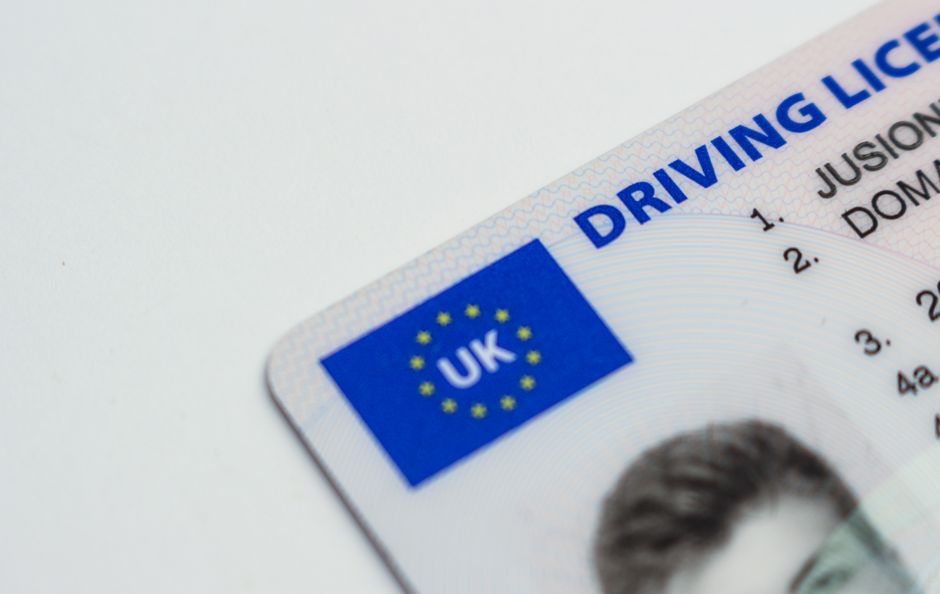
The UK government’s sudden pivot on its digital ID plans isn’t just a policy adjustment; it’s a masterclass in reading the room – and a stark example of how swiftly a **Government Backtracks** when faced with genuine public fury.
The announcement came from the office of incoming prime minister Andy Burnham, confirming the scrapping of plans for a digital ID system. Reported by Breitbart, this decision follows what’s described as “steep public backlash,” suggesting that while the policy may have been a pet project for some, it was clearly a political albatross for the new administration even before it properly took flight. Burnham, stepping into the top job, appears keen to demonstrate a responsiveness to public sentiment that perhaps his predecessors lacked, or at least, misjudged. This isn’t just about a policy; it’s about setting a tone for a new premiership.

What landed
What landed, unequivocally, was the signal that this incoming government, unlike its predecessors, is prepared to listen – or at least, to avoid unnecessary political battles. The swiftness of the reversal is notable; it suggests a team that understood the depth of public concern around privacy, data security, and the potential for mission creep inherent in a centralized digital identity system. To scrap a significant policy initiative, particularly one with such broad implications, before even fully taking the reins, is a bold move. It signals a willingness to jettison contentious baggage in favour of a smoother transition and, perhaps, to cultivate an image of being ‘for the people’ rather than imposing top-down dictates.
The acknowledgment of “steep public backlash” is the crucial phrase here. It’s not framed as a principled U-turn based on new information or an evolving technological landscape, but rather a direct capitulation to public pressure. For privacy advocates and civil liberties groups who have been vocally campaigning against such a system, this is a significant victory. It demonstrates that sustained public opposition can indeed force the hand of government, even on issues that might seem like a fait accompli. The message is clear: the public still holds a potent veto, provided they are sufficiently mobilized. This creates a valuable precedent for future policy debates, reminding those in power that proposals touching on fundamental freedoms and data privacy will always face intense scrutiny.

What doesn’t add up
While the public might celebrate this reversal, the skeptical observer can’t help but question the timing and the broader implications. It’s an incoming government, not the one that originally pushed these plans, making the U-turn. This allows Burnham’s team to present themselves as the “adults in the room,” cleaning up a mess inherited from the previous administration, even if the party lines aren’t dramatically different. Was this truly a newfound understanding of public concern, or a calculated strategic retreat to avoid a bruising early fight and garner some much-needed goodwill? The notion of “steep public backlash” has presumably been brewing for some time; why has the official response come only now, on the cusp of a new prime minister taking office?
Furthermore, the brief statement leaves considerable room for interpretation. Is the concept of a digital ID system truly “scrapped,” or merely “postponed” indefinitely? Governments have a habit of shelving unpopular ideas only to revive them under a new guise or when public attention has shifted. The vague phrasing allows for a tactical retreat without necessarily abandoning the underlying ambition. One might wonder if the architects of such a system, perhaps still embedded within various government departments, will simply bide their time, waiting for a more opportune moment or a less scrutinizing public. This isn’t just about whether a digital ID is good or bad; it’s about the transparency and consistency of policy-making itself. Was the initial push for digital ID a genuine belief in its benefits, or an ideological commitment that simply proved too politically costly? The lack of any detailed explanation beyond “public backlash” leaves a vacuum that the politically cynical will readily fill with speculation about motives and future intentions.
Come Monday morning, the real winners will be civil liberties groups and individual citizens concerned about state overreach. The government, now under Andy Burnham, has bought itself a measure of political capital and demonstrated a willingness to back down from a fight. But the lingering question remains: for how long, and at what cost to its broader agenda? The digital ID may be off the table for now, but the underlying tensions between national security, technological advancement, and individual privacy are far from resolved. This is a battle won, not the war.
Source: OnTheRecord