
Is digital mischief a crime, or just a modern-day act of rebellion when it’s done by kids? The conviction of the **teen hackers** who targeted Transport for London (TfL) forces us to confront this increasingly blurred line. This isn’t merely a tale of two individuals; it’s a stark reminder of the digital tightrope society walks when young, gifted, and often misguided minds turn their skills to disruption.
According to BBC Technology, Owen Flowers and Thalha Jubair have been convicted for their roles in a cyber-attack that impacted Transport for London. This incident, which notably involved live-streaming parts of the breach, reportedly led to significant financial costs for the capital’s public transport system. The legal repercussions highlight the growing seriousness with which authorities are treating digital infractions, regardless of the perpetrators’ age.

The Digital Adolescents and Their Playground
This case isn’t just about two individuals; it’s a symptom of a larger generational shift. Today’s youth grow up immersed in a digital world, possessing an innate understanding of technology that often surpasses their elders. However, this profound access frequently comes with a distorted sense of consequence, especially when actions feel distant and virtual. The live-streaming aspect of this particular attack underscores a performative element, suggesting a desire for recognition or notoriety within online subcultures.
The digital landscape has become an expansive playground where the lines between harmless exploration and malicious interference are easily crossed. For many young people, hacking might start as curiosity, a challenge to see what’s possible, rather than an intent to cause serious harm. Nevertheless, the outcome, as TfL discovered, can be devastatingly real. This incident highlights a significant vulnerability in our critical infrastructure, one that can be exploited not just by state-sponsored actors, but by ambitious youths.
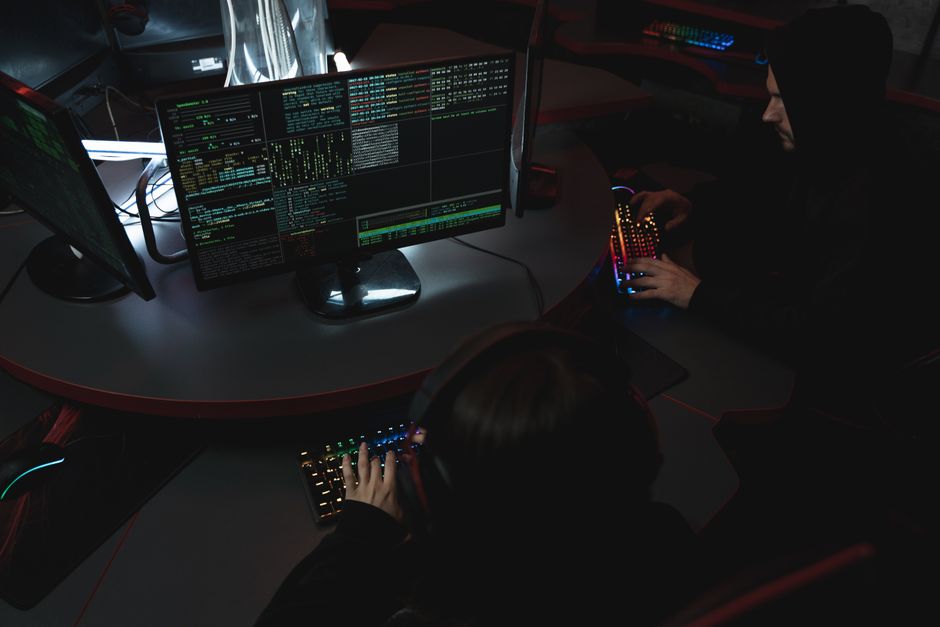
What does it truly mean for essential services like public transport when boredom or a misguided sense of adventure can lead to such tangible disruption? The legal system, designed for a physical world, often struggles to adequately address the complexities of cybercrime committed by minors. Society grapples with how to mete out justice without entirely crushing potential, yet also without condoning destructive behavior.
Beyond the Jail Sentence: What the TfL Attack Really Means
The conviction of these **teen hackers** sends a clear message: cybercrime has serious consequences, even for young offenders. However, the more profound question remains: are we truly addressing the root causes, or just applying a reactive bandage? Throwing young people in jail, while satisfying the need for justice and deterrence, doesn’t inherently solve the problem of digital literacy or ethical hacking. In fact, it might even exacerbate it.

Consider the skills possessed by individuals capable of breaching a system as complex as TfL’s. These are not trivial talents. On the one hand, their actions were unequivocally destructive and costly. On the other, one must wonder if a more innovative approach could channel such aptitudes towards constructive ends. Are we stifling future cybersecurity experts by solely focusing on punishment, rather than exploring avenues for rehabilitation and skill redirection?
The mainstream narrative often paints these **teen hackers** as purely malicious, missing the nuance of a generation that learns by doing, often without fully grasping the ethical frameworks that should govern their actions. The challenge lies in teaching responsibility and ethics *before* the damage is done. We need robust educational programs that highlight the power and peril of digital skills, steering impressionable minds away from the dark web and towards legitimate cybersecurity roles.
Moreover, the incident serves as a wake-up call for organizations like TfL. If relatively unsophisticated attacks by teenagers can cause significant costs and disruption, what does that say about the resilience of our digital defenses against more coordinated, state-level threats? The vulnerability isn’t just with the hackers; it’s also within the systems themselves. Simply prosecuting the perpetrators is only half the battle; strengthening the fortifications is the other, often neglected, half.
The real question isn’t whether Owen Flowers and Thalha Jubair deserved jail time, but what we, as a society, are going to do about the next generation of digital natives who see every vulnerability as an invitation. Do we merely punish, or do we adapt, educate, and channel their formidable talents before they become threats?
Source: BBC Technology