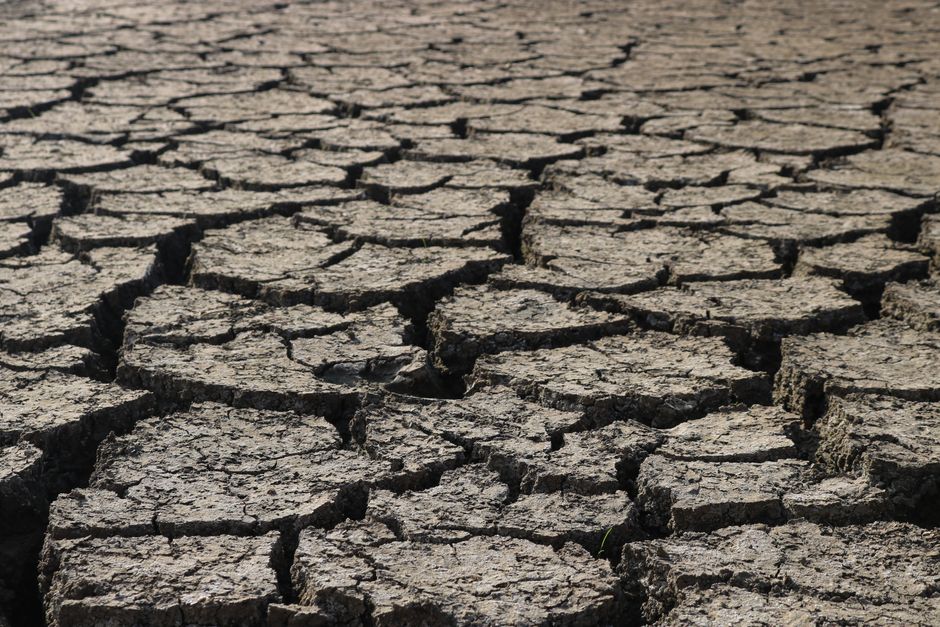
What happens when the most precious resource in a parched land is deliberately targeted? The recent *iranian* strike on a Kuwaiti desalination plant isn’t just an attack on infrastructure; it’s a direct shot at the jugular of survival in a desert region.
According to AP News, an *iranian* strike damaged a desalination plant in Kuwait on Friday, exposing the acute water vulnerability of the Middle East. This incident immediately raises the stakes in an already volatile geopolitical landscape.
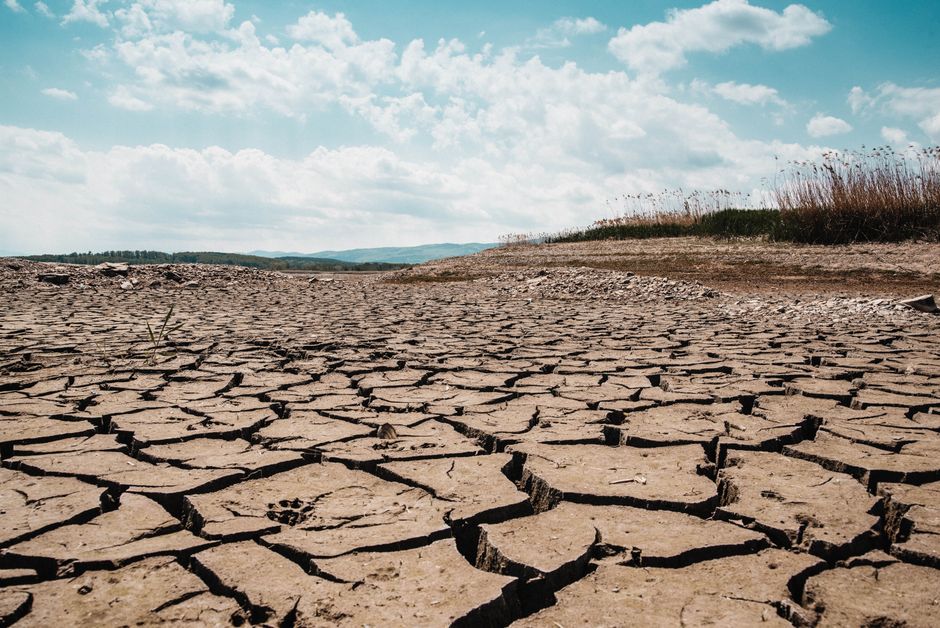
The Strategic Currents of Iranian Aggression
Kuwait, like many of its Gulf neighbors, relies almost entirely on desalination for its fresh water supply. These sophisticated, energy-intensive plants are the lifeblood of urban centers, agriculture, and industry. Therefore, targeting such a facility is not merely an act of aggression; it’s a deliberate demonstration of power designed to inflict maximum psychological and logistical damage. The attack itself signifies a chilling escalation in regional tensions, especially given the ongoing proxy conflicts and diplomatic standoffs involving Tehran.
For decades, the Persian Gulf has been a hotbed of competing interests, with Iran often at odds with its Arab neighbors and Western powers. The strategic importance of critical infrastructure, particularly energy and water facilities, has always been understood. However, a direct hit on a desalination plant pushes the boundaries of conventional conflict, signaling a readiness to weaponize even the most fundamental human needs. This move by the *iranian* regime sends a clear message: no asset, no matter how vital to civilian life, is off-limits.
The incident forces a critical re-evaluation of security protocols for essential utilities across the entire Gulf Cooperation Council (GCC) bloc. Gulf states have invested heavily in creating resilient water networks, but the sheer scale and complexity of these facilities make them incredibly challenging to defend against sophisticated threats. This attack highlights a blind spot, perhaps even a complacency, in how these nations perceive and prepare for non-traditional forms of warfare.
When Water Becomes a Weapon
Let’s be clear: this isn’t about oil, or even just territory. This is about control over life itself. An attack on a desalination plant isn’t a pinprick; it’s a direct threat to public health, economic stability, and social order. Imagine millions without potable water in a desert climate – the humanitarian crisis alone would be catastrophic, far exceeding the immediate damage to the plant. This vulnerability has been exposed with brutal clarity.
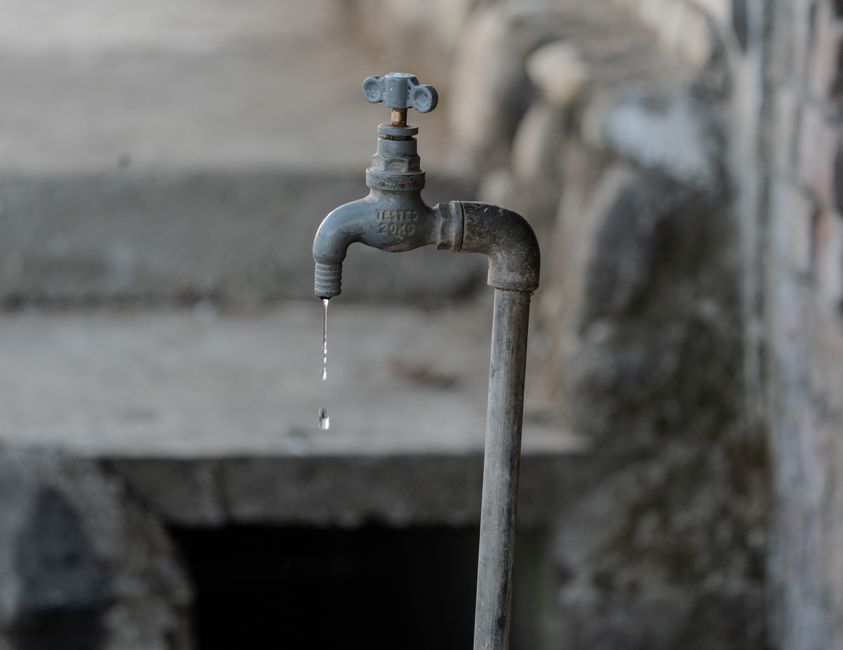
The mainstream narrative often focuses on military hardware and oil prices when discussing Middle Eastern conflict. Yet, this *iranian* action underscores a far more insidious front: the weaponization of essential resources. It’s a terrifying precedent that could redefine regional conflict, shifting from traditional battlegrounds to the very infrastructure that sustains populations. Who wins in such a scenario? No one, ultimately. While Iran might aim to destabilize its rivals or assert its dominance, the long-term consequences of such tactics are felt by ordinary people, irrespective of nationality or political affiliation.
This strike also forces a reckoning for international bodies and global powers. Where is the outrage? Where is the collective condemnation for targeting civilian-critical infrastructure? The silence, or muted response, only emboldens further acts of aggression. On the other hand, some might argue that Iran views such actions as a necessary deterrent against perceived external threats, a way to demonstrate its capacity for retaliation against any perceived provocations. However, this justification does little to mitigate the immense risk posed to innocent populations. The real losers here are the millions of civilians who depend on these plants for their daily existence, living under the shadow of a new, existential threat.
The world needs to grasp the profound implications of this attack. It’s a chilling reminder that in the arid crucible of the Middle East, water scarcity is not just an environmental challenge; it is fast becoming a weapon in the hands of those willing to wield it. Will this be a one-off warning shot, or the opening salvo in a new kind of water war?
Source: Google — Middle East