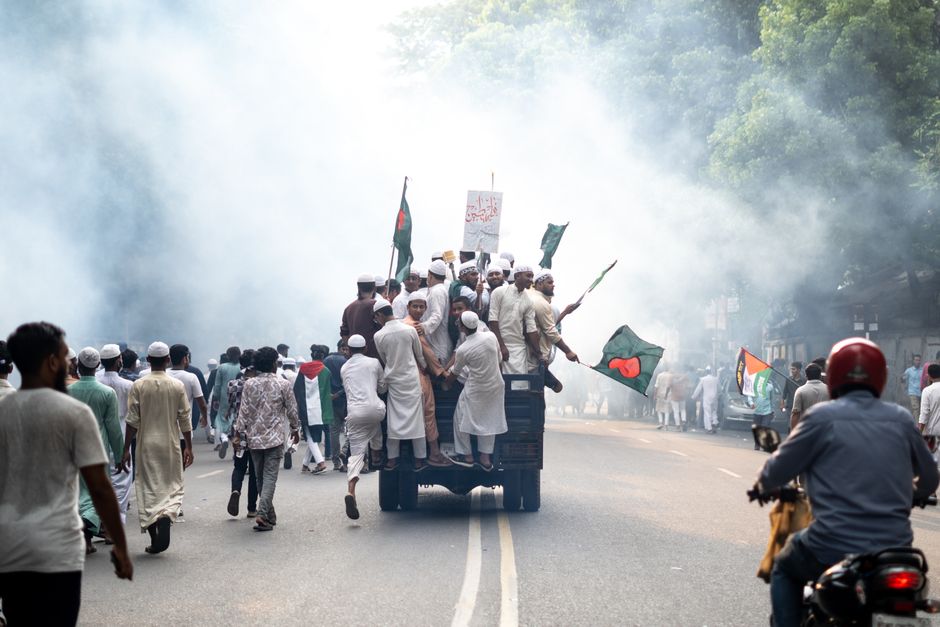
Sheikh Hasina’s planned homecoming to Bangladesh is less a return and more a calculated political gambit. Will Sheikh Hasina’s planned homecoming revive the Awami League, or simply highlight its deep-seated challenges?
The former Bangladeshi prime minister, currently living abroad and facing a litany of charges, appears to be orchestrating a return that aims to transform her public image. Far from a quiet re-entry, this is a meticulously crafted performance designed to reshape the narrative surrounding her legal troubles. The assessment emerging from outlets like The Diplomat suggests a strategic pivot, seeking to recast her as a leader rather than a fugitive.
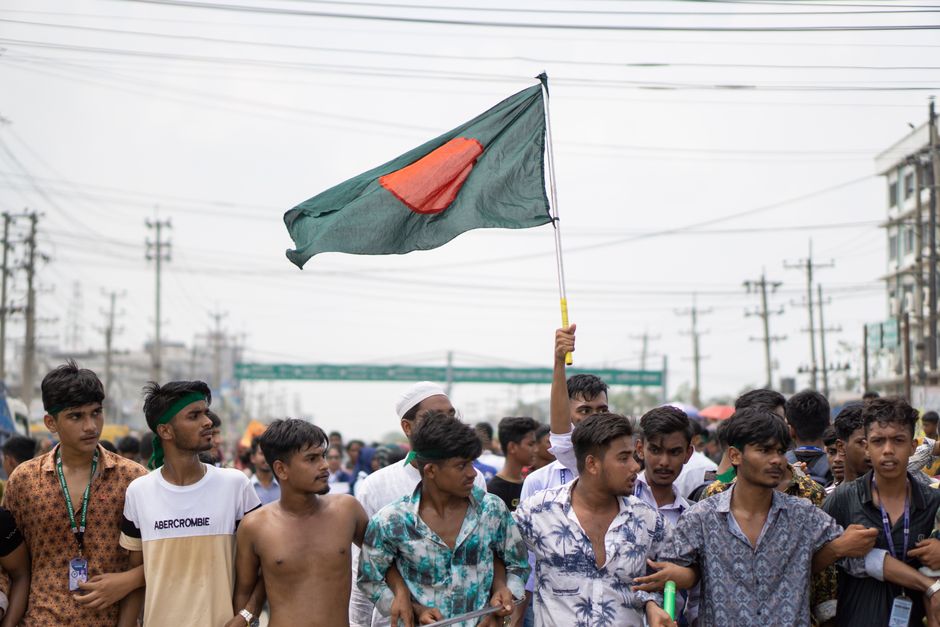
This isn’t merely about legal processes; it’s about political survival and the resuscitation of the Awami League, which has evidently seen better days. Her absence has, it seems, left a vacuum that her party now hopes she can fill, not just as a figurehead, but as a martyr-in-the-making. The stakes are undeniably high for Bangladesh’s volatile political landscape.
What landed
The most revealing aspect of this proposed strategy is its audacious reframing of Sheikh Hasina’s position. According to The Diplomat’s analysis, she intends to present herself not as someone fleeing justice, but as “a political leader willing to face trial in her own country.” This is a masterclass in political rebranding, turning a perceived weakness – her fugitive status – into a potential strength. By willingly stepping into the legal arena, she aims to project an image of courage and conviction, daring the system to prove its impartiality.
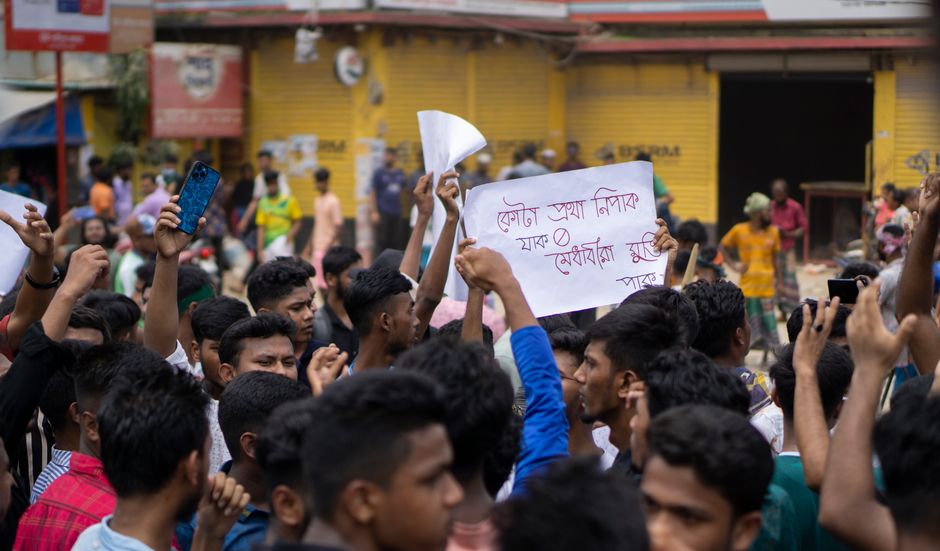
This narrative shift strategically positions her as a patriot, bravely returning to confront politically motivated charges rather than evading accountability. It’s a move designed to galvanise her party’s base and appeal to a broader public weary of political instability and what many perceive as a weaponised justice system. The gamble is that her return will be met with public sympathy, positioning her as a victim rather than an accused. It’s an astute attempt to reclaim the moral high ground, regardless of the veracity of the charges themselves.
What doesn’t add up
While politically savvy, this grand pronouncement of “willingness to face trial” conveniently sidesteps some uncomfortable realities. One might almost believe, from this framing, that the former prime minister has always held an unwavering faith in the Bangladeshi judicial system. Yet, the history of Bangladeshi politics, particularly during her own previous tenures, is replete with accusations of political opponents facing dubious charges and trials. The notion that she is now simply a “political leader willing to face trial” skirts the crucial question of whether those trials are, or will be perceived as, fair and free from political interference.
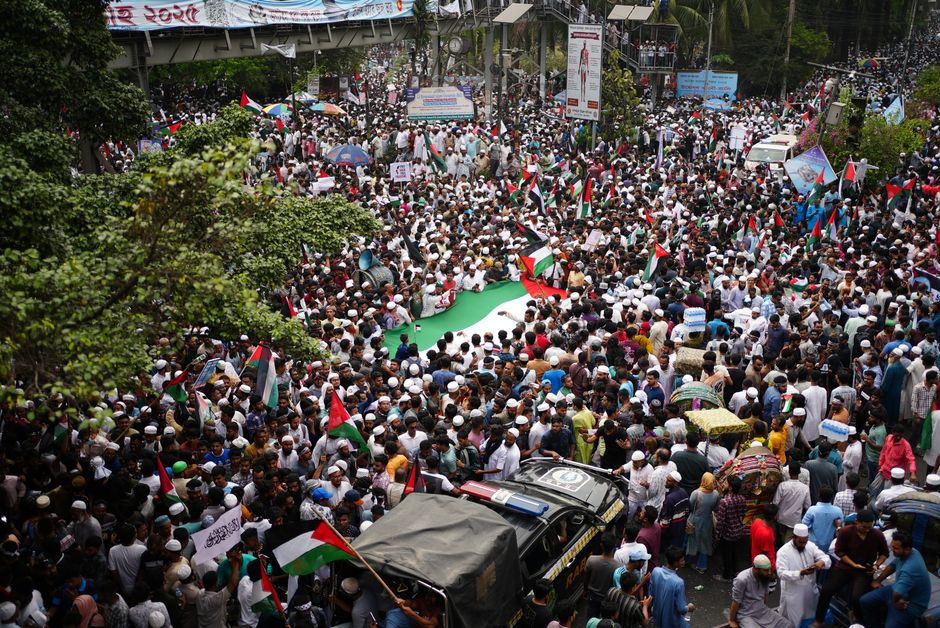
Furthermore, the very premise that her “planned homecoming” could “revive the Awami League” implies a tacit admission of the party’s current struggles. If the league requires such a dramatic, high-stakes personal intervention from its exiled leader, it suggests deeper structural or ideological issues within the party that a single, albeit impactful, legal performance might not resolve. This strategy, while brilliant for personal narrative control, doesn’t address the underlying reasons for the Awami League’s perceived decline, nor does it guarantee a genuine commitment to rule of law. It’s an act of political theatre, hoping the spotlight on her personal bravery will distract from systemic concerns.
Come Monday morning, if this homecoming proceeds as planned, Bangladesh will watch closely. Will Sheikh Hasina successfully transform her legal challenges into a political resurgence, or will her return merely underscore the deep partisan divisions and the persistent challenges to judicial independence that plague the nation? The stage is set for a dramatic confrontation, but whether it’s a path to justice or simply a new chapter in a long-running political saga remains to be seen.
Source: OnTheRecord