Maria Zakharova rejects the very premise of Ukraine’s defensive needs, offering instead a theatrical dismissal of its leadership.
The latest salvo in Moscow’s information war came this Saturday, delivered by Russian Foreign Ministry spokeswoman Maria Zakharova to the state-owned outlet Sputnik. Her target: Ukrainian President Volodymyr Zelensky, specifically his recent public appeals regarding Ukraine’s persistent air defense shortcomings. With characteristic bluntness, Zakharova’s remarks served less as a diplomatic rebuttal and more as a performative wave of the hand, designed to invalidate Ukrainian concerns wholesale.
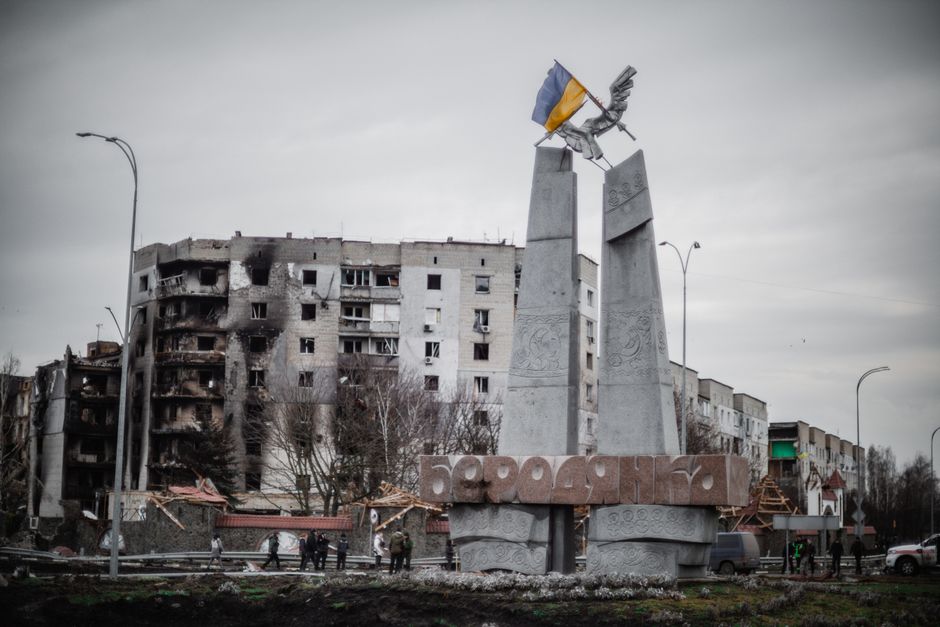
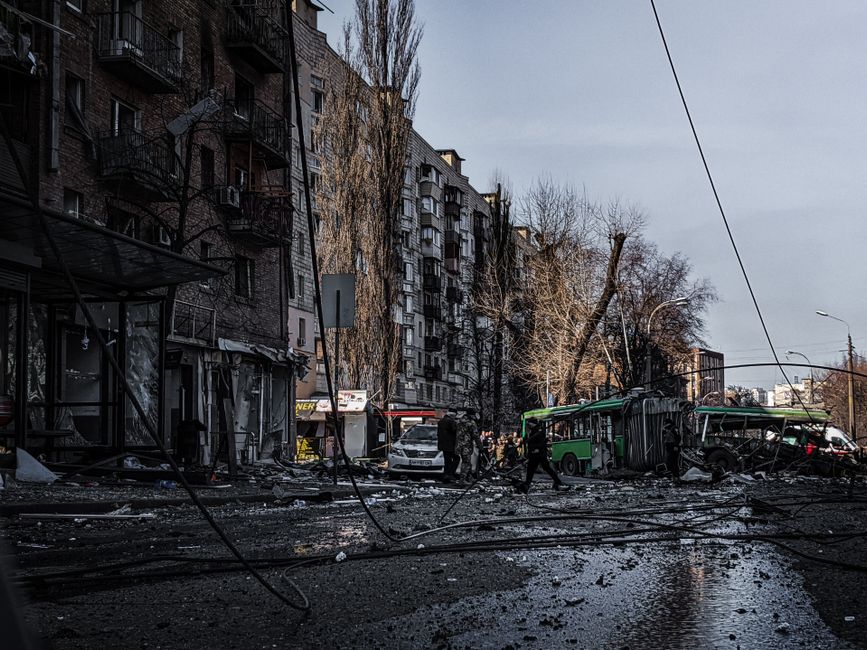
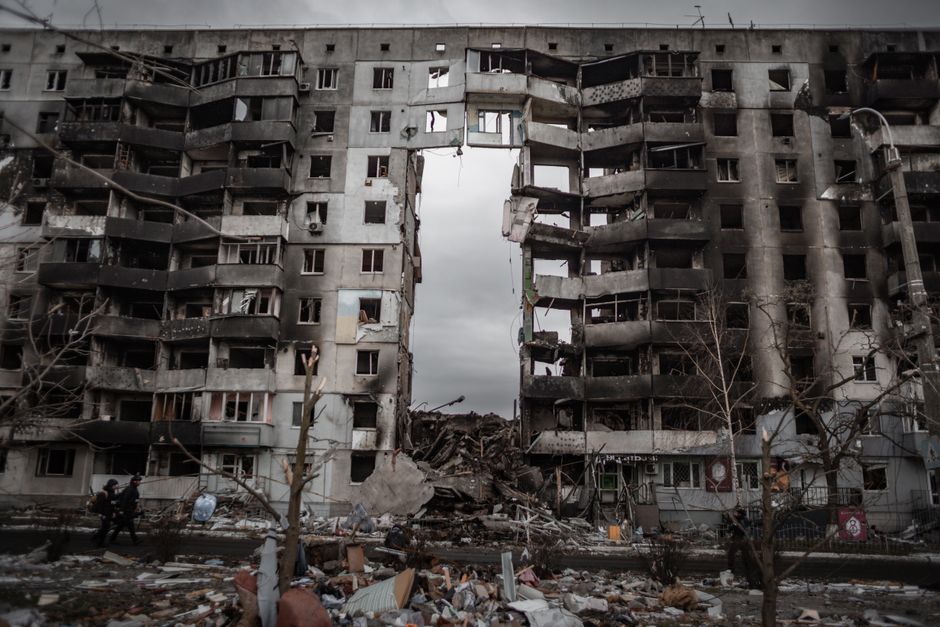
The context, of course, is critical: Moscow’s ongoing full-scale invasion of Ukraine, which has seen Ukrainian cities battered by Russian missiles and drones, making robust air defenses a matter of daily survival. Zelensky’s complaints are not abstract political grievances; they are pleas for the tools to protect his nation from aerial bombardment. Zakharova’s response, however, framed these appeals not as a desperate necessity but as a sign of incurable weakness and dependency.
What landed
Zakharova’s comments were concise, brutal, and strategically devoid of nuance. Her most potent, albeit chilling, pronouncement was that for Zelensky, “nothing will help him.” This isn’t just a casual dismissal; it’s a categorical declaration of impending futility, aiming to erode morale within Ukraine and confidence among its international backers. It paints a picture of inevitable defeat, regardless of external support, thereby subtly shifting the narrative from a defensive struggle against aggression to an unwinnable quagmire.
Equally striking, and certainly memorable, was her choice of analogy. Zakharova, as reported by Sputnik, likened the Ukrainian president to “a tick that has latched onto th…” – an incomplete but nonetheless clear dehumanizing comparison. While the rest of the thought is truncated in the briefing, the implication is unmistakable: Zelensky is presented as a parasitic entity, clinging to others for survival, rather than a leader fighting for his country’s sovereignty. This kind of rhetoric is a well-worn staple of Moscow’s communication strategy, designed to delegitimize and diminish its adversaries, reducing complex geopolitical realities to crude, biological metaphors. It’s a move straight from the playbook of political theatre, aimed squarely at the gut, not the intellect.
What doesn’t add up
What truly fails to add up in Zakharova’s critique is its profound and deliberate detachment from the very conflict Russia initiated. To dismiss Zelensky’s complaints about air defense as irrelevant, or to declare that “nothing will help him,” entirely sidesteps the foundational truth that these air defense needs exist precisely *because* Russia is launching daily aerial assaults on Ukraine. The implicit argument, therefore, is that Ukraine’s pleas for protection are somehow self-inflicted or inherently futile, rather than a direct, desperate response to an ongoing invasion. This is a classic deflection, an attempt to shift blame and responsibility away from the aggressor.
Moreover, the “tick” analogy, while vivid, serves as a masterclass in obfuscation. By portraying Zelensky as parasitic, Zakharova avoids any serious engagement with the legitimate security concerns of a sovereign nation under attack. It’s a rhetorical trick designed to short-circuit empathy and rational discussion, reducing a complex geopolitical struggle to a simple, contemptible image. It also conveniently ignores the fact that Ukraine’s appeals for aid are not solely about *Zelensky* clinging to support, but about protecting millions of Ukrainian citizens and their national infrastructure from destruction. The spokeswoman’s framing strips the conflict of its human cost, turning a plea for protection into a mere political complaint from a weak, dependent figure.
Her statement that “nothing will help him” also stands as a bold assertion without substantiation. It implies a predetermined outcome, irrespective of material aid or Ukrainian resilience. This isn’t an analysis of military capabilities or logistical challenges; it’s a declaration of Moscow’s desired narrative, attempting to project an image of Russian invincibility and the ultimate futility of resistance. It’s an attempt to manage expectations, not just for the international community, but perhaps more crucially, for Russian domestic audiences, reinforcing the notion that their military efforts are on an inevitable path to victory, regardless of external factors. The underlying message is clear: any support for Ukraine is wasted effort, a prediction that conveniently serves Moscow’s geopolitical ambitions.
Come Monday morning, these words will resonate in diplomatic circles as yet another illustration of Moscow’s unyielding stance, reinforcing the perception that any path to de-escalation remains firmly blocked by a rhetoric that denies agency and even the basic humanity of its adversaries.
Source: OnTheRecord