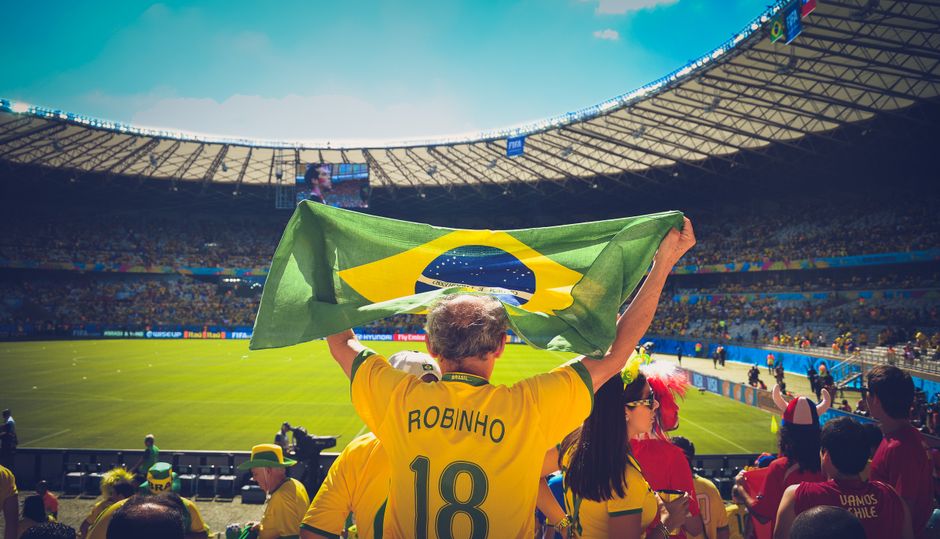
Another day, another World Cup expansion proposal from Gianni Infantino.
FIFA President Gianni Infantino, the man who seemingly never met a football tournament he couldn’t make just a little bit bigger, has once again floated the idea of super-sizing the global game. Speaking presumably to a chorus of gasps and hurried recalculations from tournament organisers, Infantino confirmed he is “considering a proposal” to add a further 16 nations to the 2030 World Cup, pushing the participant count to a dizzying 64 teams. The news, reported by Al Jazeera, comes just as the dust is settling on the expanded 48-team format currently underway in 2026, suggesting that for FIFA, “enough” is merely a suggestion, not a destination.
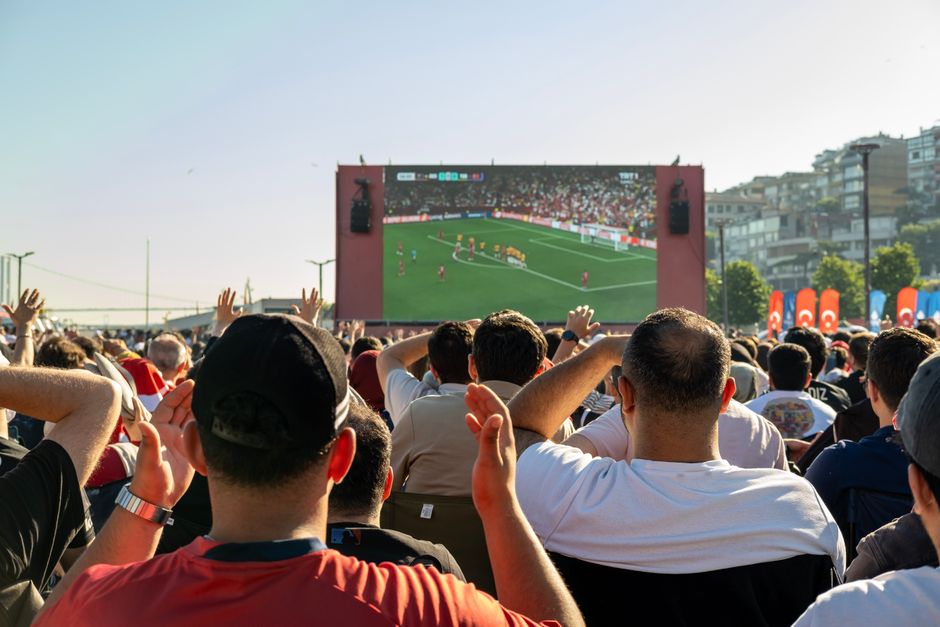
The political context is as transparent as a well-polished trophy: more teams mean more member federations with a direct stake, more votes in future FIFA elections, and, inevitably, more broadcast rights and sponsorship opportunities. The 2026 tournament, already a logistical marvel across three North American nations, was pitched as the ultimate inclusive football festival. Now, before the confetti from that venture has even been swept away, the 2030 event is being eyed as the next frontier for “growth,” which, in FIFA parlance, translates to “bigger.” One might imagine the host nations for 2030 (yet to be fully confirmed but expected to span multiple continents) are currently reaching for their calculators and a strong cup of coffee.
What landed
Infantino, ever the visionary, framed this potential expansion as a continued commitment to “giving more nations the chance to dream,” as paraphrased by those reporting on his remarks. He deserves credit, perhaps, for consistently pushing the envelope of what international football can be, even if he occasionally forgets to check the structural integrity of said envelope. The sheer ambition to continually broaden the World Cup’s reach is, in itself, a statement of intent. It’s a testament to his understanding that in the complex world of global football politics, access to the biggest stage is currency, and he is a generous printer.
His willingness to openly “consider” such a dramatic shift, rather than present it as a fait accompli, also suggests a faint nod to due process – or at least the appearance of it. It implies a readiness to engage with the technicalities, although one suspects those technicalities will ultimately bend to the will of the strategic imperative. When pressed on the practicalities, he reportedly spoke of the “exciting challenge” such an expansion would present, leaning into the narrative of football constantly evolving and breaking new ground. It’s a compelling story, for those who appreciate a narrative arc that perpetually trends upwards, regardless of gravity.
What doesn’t add up
Here’s where the wheels come off the pristine, rapidly expanding bus. Just a few short years ago, the move to a 48-team World Cup for 2026 was heralded as the optimal balance between inclusivity and sporting quality. It was presented as the grand, carefully considered solution to modern football’s demands. The ink is barely dry on those blueprints, and already, we’re discussing adding another 16 teams. What precisely has changed so profoundly in the interim that the “optimal balance” of 48 has suddenly become inadequate for 2030? This isn’t merely an evolution; it feels like an admission that the previous “final” decision was, at best, a temporary compromise.
Infantino’s consistent pattern of “considering” greater expansion after a major decision has just been made tends to raise a skeptical eyebrow. It suggests a process less about long-term strategic planning and more about continuous, reactive growth. Questions surrounding player welfare, fixture congestion, and the environmental impact of such a gargantuan tournament were already significant concerns for the 48-team format. A 64-team World Cup would amplify these issues exponentially, yet the summary of his remarks provided little beyond an optimistic wave towards “excitement.” There was also a notable absence of detail regarding how the fundamental quality of the tournament would be maintained with such a broad field, a concern often brushed aside by the promise of “more opportunities.” It’s an interesting sleight of hand: address the technical challenges by simply ignoring them in favour of the bigger picture.
Come Monday morning, the football world will be abuzz, not just with the ongoing matches, but with fresh speculation about the sheer scale of the 2030 World Cup. Host nations will undoubtedly be revisiting their infrastructure plans, players union representatives will be dusting off their calculators for flight times and rest days, and broadcasters will be dreaming of even more inventory. The stakes? A World Cup that could truly be global in scale, or one that buckles under its own ambition, becoming less a celebration of football and more a testament to the logistical limits of human endurance.
Source: OnTheRecord