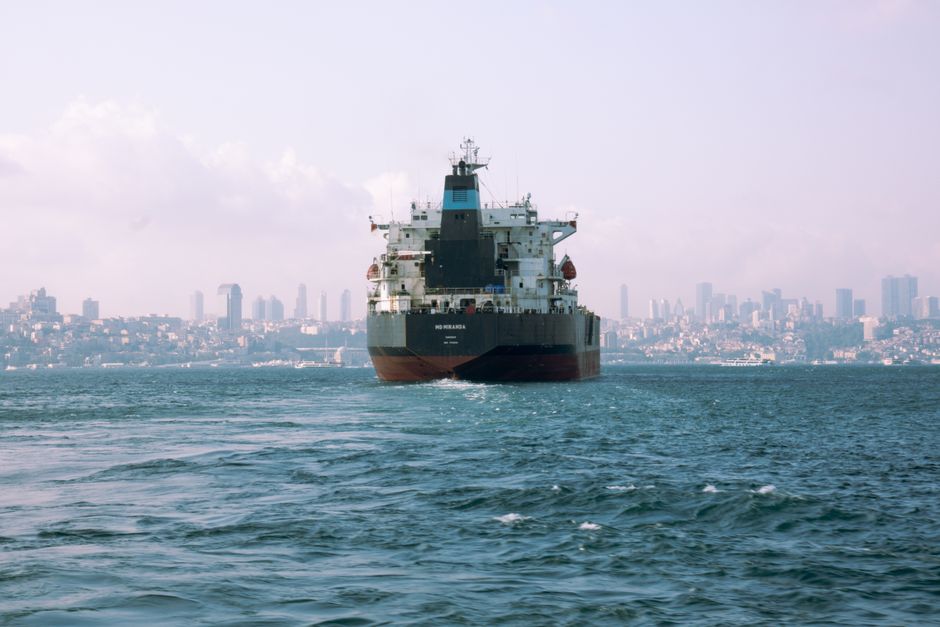
Don’t let the phrase ‘uneasy calm’ fool you; there’s nothing truly calm about the Strait of Hormuz, especially when a rare glimpse *on* its Iranian shores reveals more tension than tranquility. It’s a chokepoint, a pressure cooker, and any apparent lull is merely the prelude to the next confrontation. This isn’t just about ships and oil; it’s about sovereignty, power, and the precarious balance of a region constantly on the brink.
According to BBC Middle East, their journalists recently became the first from a UK broadcaster to visit Bandar Abbas, Iran, offering a unique perspective from the Iranian side of the strategic Strait of Hormuz. The report described a scene featuring both seized ships and local shark fishermen, indicative of the volatile mix of geopolitical power plays and everyday life in the region. This unprecedented access granted by Tehran suggests a deliberate, calculated move to shape the narrative.
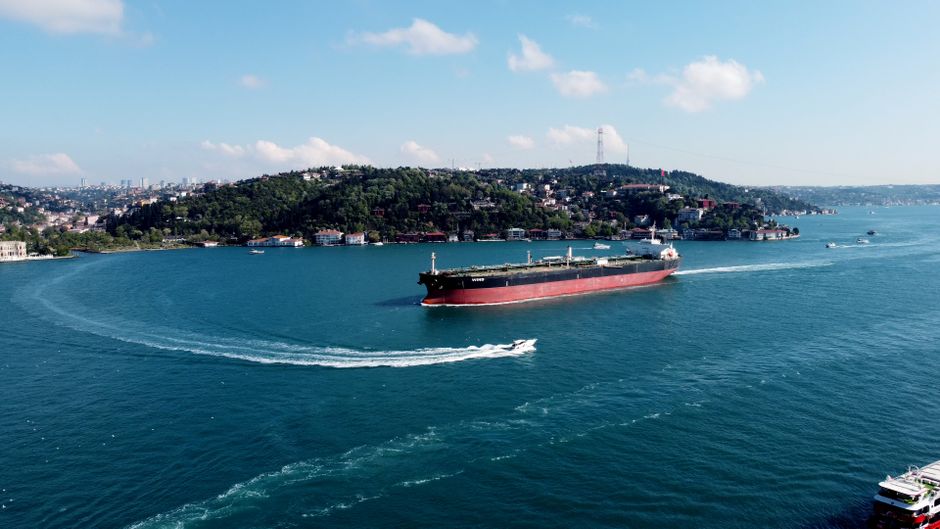
On the Strait: A Strategic Chokepoint’s Reality
To understand the weight of this visit, one must grasp the colossal significance of the Strait of Hormuz. It’s not merely a stretch of water; it’s the world’s most critical oil transit chokepoint, a narrow passage through which roughly a fifth of global petroleum consumption flows daily. For Iran, controlling this strait offers immense leverage, a geopolitical trump card it has never been shy about playing. The international community, particularly Western powers, views free passage through the Strait as non-negotiable, a stance that frequently clashes with Iran’s assertions of territorial sovereignty and maritime security.
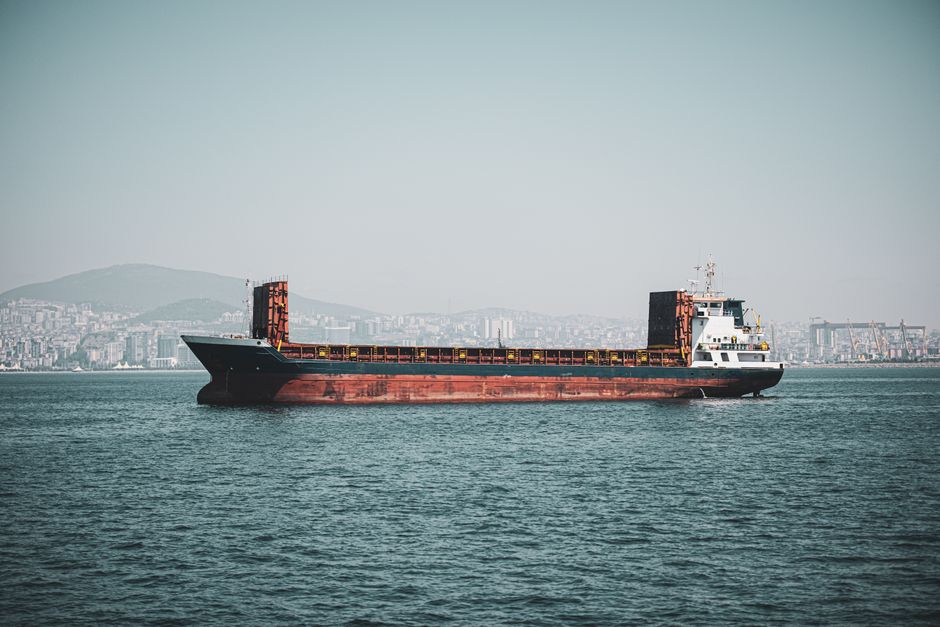
Historically, this flashpoint has seen numerous incidents, from tanker seizures and mine attacks to close calls between naval forces. These events aren’t random; they are often direct responses to sanctions, political tensions, or perceived provocations. When the BBC reports “seized ships” lingering in Bandar Abbas, it’s not just an observation; it’s a stark reminder of past actions and a silent threat of future ones. These vessels serve as trophies, symbols of Iran’s willingness to disrupt global trade to make a political point. Meanwhile, the presence of local shark fishermen underscores the human element, the everyday lives unfolding in the shadow of international brinkmanship. Their livelihoods are directly impacted by the region’s instability, yet they endure, navigating waters where geopolitics is as unpredictable as the weather.
The Illusion of Normalcy
The “uneasy calm” described by the BBC is, in essence, an illusion. It suggests a return to a baseline, but the baseline in the Strait of Hormuz has always been one of inherent instability. Granting a UK broadcaster access *on* Iranian territory, especially to such a sensitive location, is a shrewd public relations move by Tehran. It allows them to project an image of openness and stability, perhaps aiming to temper international perceptions of a volatile, isolated regime. They want the world to see the fishermen, the ordinary life, and perhaps overlook the ominous presence of those seized ships.
However, this carefully curated peek behind the curtain doesn’t erase the underlying tensions. The act of seizing ships, often on dubious legal pretexts, remains a fundamental tool in Iran’s diplomatic arsenal. It’s a tactic designed to exert pressure, retaliate against sanctions, or signal displeasure with Western policies. This visit, while offering valuable insight, must be viewed through that lens. It’s not a sign of fundamental change in Iran’s regional strategy, but rather a temporary adjustment to its messaging. The risk remains high; any perceived transgression, any miscalculation, could quickly shatter this fragile tranquility and plunge the region back into crisis. The mainstream narrative often fixates on moments of eruption, missing the simmering resentments and strategic posturing that define the “calm” in between. This is not peace; it is merely the pause before the next strategic chess move.
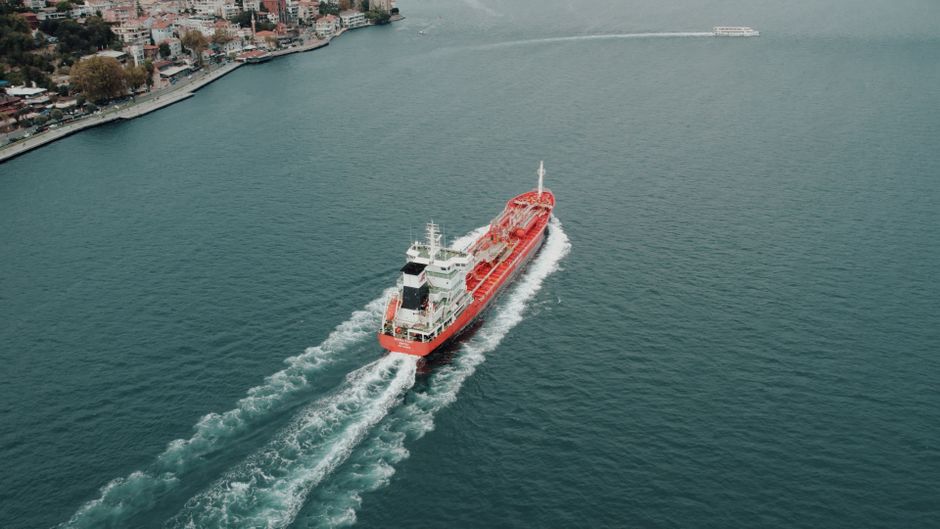
So, what does this rare glimpse *on* the Iranian side truly tell us? Perhaps that beneath the surface of ‘uneasy calm,’ the waters of the Strait of Hormuz remain as treacherous and unpredictable as ever, waiting for the next ripple to become a tidal wave. The presence of both seized vessels and ordinary lives side-by-side isn’t a contradiction; it’s the very definition of this strategic flashpoint, where global economics and local existence are inextricably linked, always just one incident away from boiling over.
Source: BBC Middle East