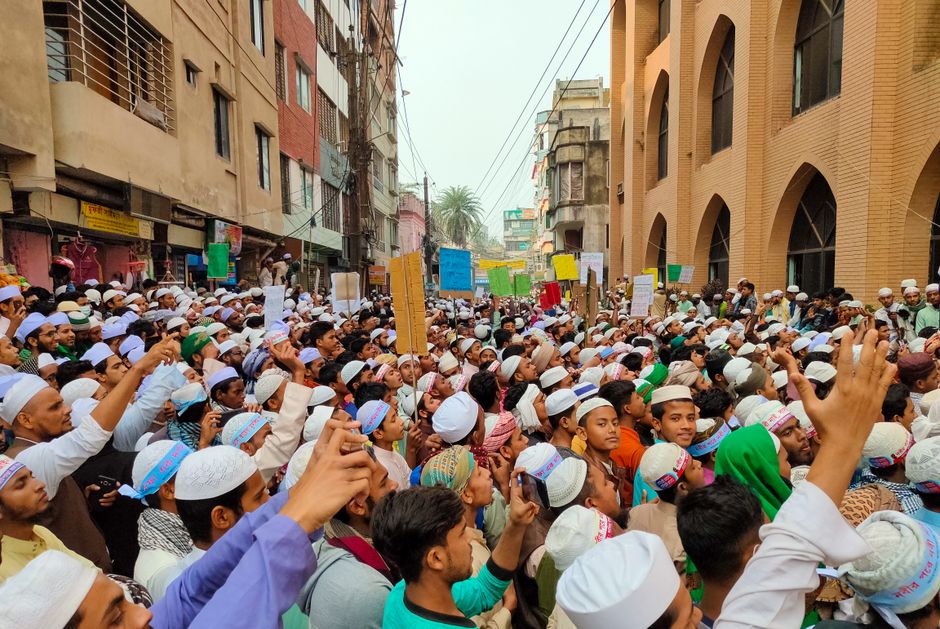
Surrender. It’s a word heavy with defeat, yet in the Machiavellian world of Bangladesh politics, it can be the ultimate power play. The recent news regarding Sheikh Hasina, the long-reigning former Prime Minister of Bangladesh, promises to ignite a fresh wave of political drama in a nation already accustomed to high stakes and sharp turns.
According to an exclusive report from Reuters, Sheikh Hasina, along with several of her party colleagues, plans to return to Bangladesh in December with the express intention of surrendering to authorities. This move, if it materializes, would mark an extraordinary chapter in the country’s turbulent political narrative.
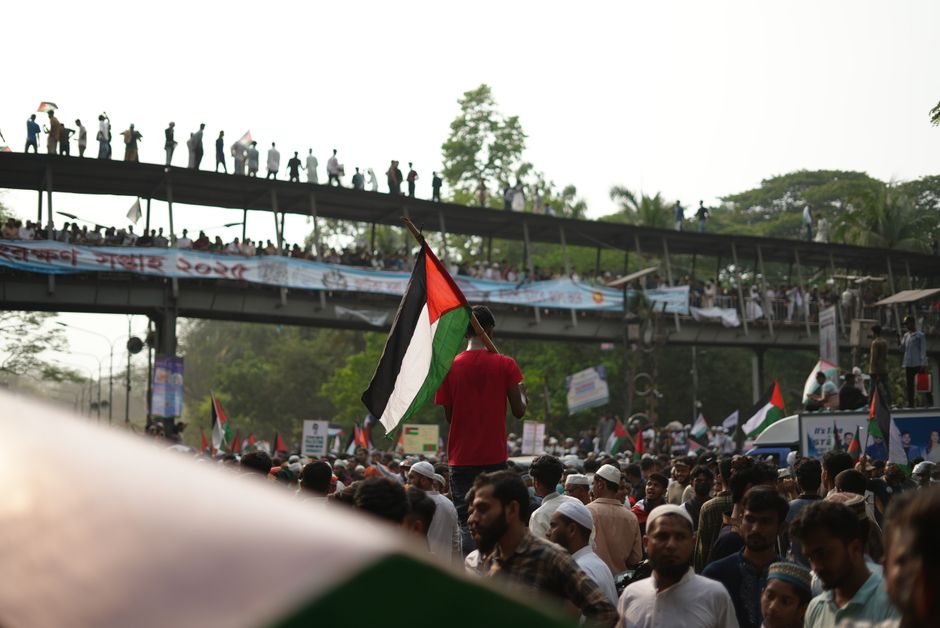
The Shifting Sands of Bangladesh Politics
To understand the seismic implications of this potential surrender, one must grasp the deeply entrenched political landscape of Bangladesh. Sheikh Hasina, leader of the Awami League, has dominated Bangladeshi politics for decades, often in a bitter rivalry with the Bangladesh Nationalist Party (BNP) led by Khaleda Zia. Their feud has shaped the nation’s destiny, characterized by periods of intense polarization, street protests, and allegations of political repression. Hasina’s tenure has seen remarkable economic growth, yet it has also been marred by accusations of authoritarianism, a shrinking space for dissent, and highly contested elections that drew international criticism.
Her latest stint in power, which concluded recently amidst a swirl of controversy, left many questions unanswered about the future of democratic institutions in Bangladesh. Critics frequently pointed to a systematic crackdown on opposition voices, including mass arrests of BNP activists and leaders, as evidence of a one-party state consolidating its grip. Human rights organizations have consistently raised concerns about political freedoms and the independence of the judiciary under her administration. Therefore, a planned surrender by such a powerful figure, who has often seemed untouchable, forces us to question the underlying motives and the true state of play within the country’s power structures. Is this a genuine submission to legal accountability, or a calculated maneuver designed to reshape the political narrative?
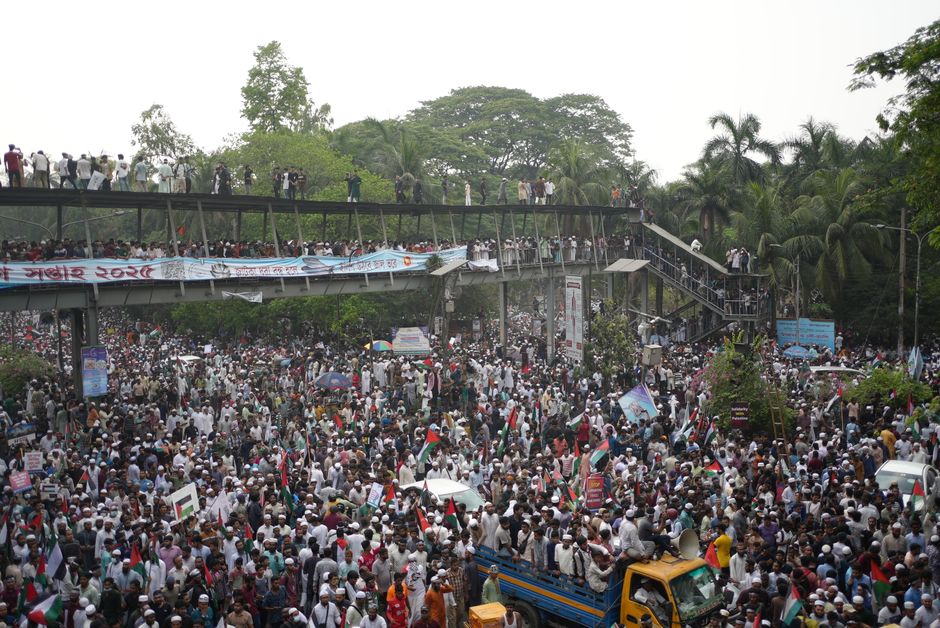
The Grand Political Gambit
This isn’t merely a legal formality; it’s a grand political gambit, and the stakes for Bangladesh could not be higher. On the surface, a surrender suggests accountability, perhaps even a softening of the political climate. However, anyone familiar with South Asian politics knows that appearances can be deceiving. This move could be a tactical retreat, allowing Hasina to frame herself as a victim of political persecution, rallying her loyal base and potentially galvanizing international sympathy. Such a narrative could provide a powerful platform for a future comeback, turning a moment of vulnerability into a display of defiance.
Conversely, the opposition, particularly the BNP, might find itself in a difficult position. If Hasina’s surrender is perceived as a legitimate step towards justice, it could embolden them. But if it’s seen as a political stunt, they risk appearing reactive or even complicit in a choreographed drama. The real winners might be those who pull the strings behind the scenes, potentially elements within the military or other powerful factions who could be asserting greater influence in a post-Hasina political vacuum. This could be a cleansing act, allowing a new generation of leaders to emerge from the Awami League, or it could be a means to sideline Hasina temporarily while maintaining the party’s overall dominance.
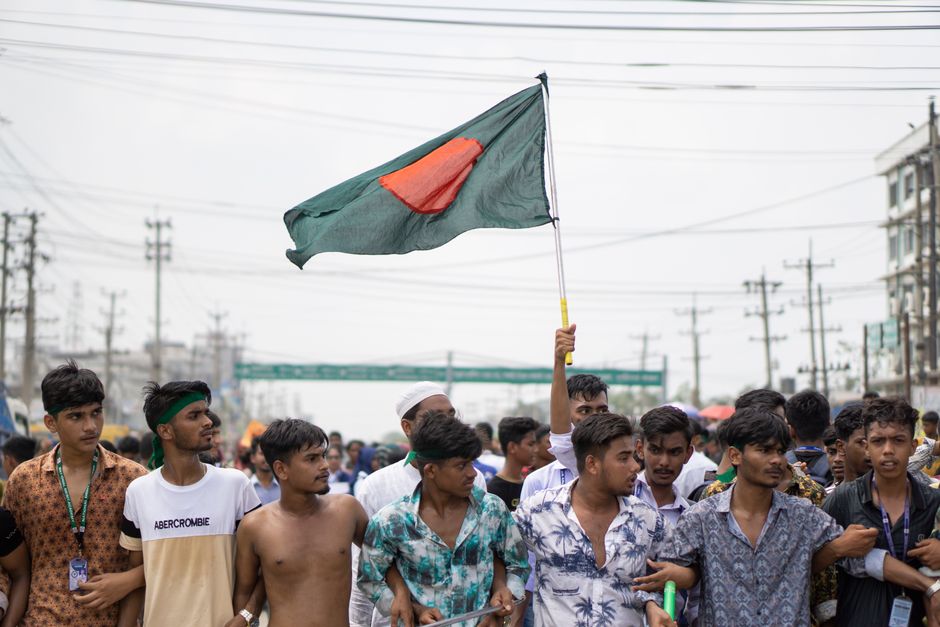
The implications for the rule of law in Bangladesh are equally profound. Will this lead to a genuinely fair trial, or will it be another instance of political theater playing out in the courts? The world will be watching closely, and the integrity of Bangladesh’s judicial system will be under intense scrutiny. A transparent process could bolster the nation’s democratic credentials, however tarnished they may be. A perceived farce, on the other hand, would only deepen the cynicism and further erode trust in its institutions. This isn’t just about Hasina; it’s about the very soul of Bangladesh and its trajectory as a democratic nation in a volatile region.
The planned December return of Sheikh Hasina isn’t just news; it’s a harbinger of potential upheaval, a strategic chess move that could either pave the way for genuine reform or cement another cycle of political manipulation. The curtain is rising on a new act in Bangladesh, and we are all about to witness whether this is the beginning of accountability or merely the prelude to another power grab.
Source: Google — South Asia