
One might think the global public health playbook has moved beyond “quarantine a suspected Ebola patient alongside unsuspecting deportees,” yet here we are, navigating a new chapter in the ongoing saga of global responsibility and, shall we say, *creative* containment protocols. The urgent need for clarity regarding a **Suspected Ebola** case in an Equatorial Guinean hotel, as reported by ABC News, demands immediate attention.
The report, emerging from the shadows of international detention, details claims made by lawyers representing migrants deported from the United States. These individuals, once navigating the labyrinthine U.S. immigration system, now find themselves in Equatorial Guinea, allegedly confined to a hotel that has taken on an alarming secondary role: a makeshift isolation ward. The context is grim: a country with a questionable human rights record, suddenly thrust into the spotlight for its purported handling of a grave public health risk in close proximity to a vulnerable population.
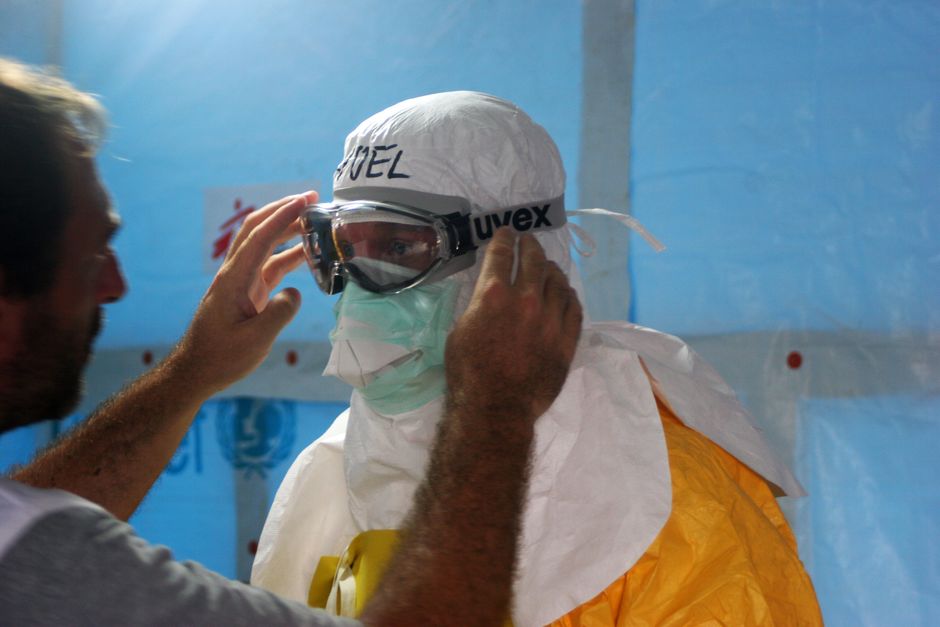
The deportees, whose journey from the U.S. to Equatorial Guinean custody already represents a fraught narrative, are now reportedly facing an entirely new dimension of peril. This isn’t just about detention; it’s about a detention that, if reports are accurate, blithely ignores basic epidemiological principles.
What landed
The core assertion, delivered through the voices of migrants and their legal counsel as reported by ABC News, is stark: a suspected Ebola patient has been placed in the very same hotel facility currently housing U.S. deportees. This isn’t merely a matter of inconvenient cohabitation; it’s a potential public health catastrophe waiting for its cue. Lawyers, speaking on behalf of their clients, painted a picture of individuals trapped in circumstances where the risk of exposure to a deadly virus is alarmingly high.

The specific details, though sparse in the initial reporting, conjure an unsettling image. Imagine being deported, sent back to a country, only to find your temporary holding facility repurposed with such casual disregard for health and safety. The report implies a shocking lack of separation protocols, or indeed, any discernible protocol beyond simply placing a potentially infected individual within a general population of detainees. The human element here is undeniable: individuals who have already endured significant upheaval are now confronting a threat of an entirely different order, one that speaks to profound systemic neglect. These claims, however inconvenient for the authorities involved, land with the weight of immediate, personal danger.
What doesn’t add up
The most glaring omission in this unfolding narrative is, predictably, any official statement from the Equatorial Guinean authorities themselves. One might expect a robust denial, or perhaps a detailed explanation of stringent health protocols. Instead, we are met with a disconcerting silence, allowing the alarming claims from lawyers and migrants to stand largely unchallenged by official channels. This absence isn’t just a gap; it’s a chasm, raising immediate questions about transparency and accountability.
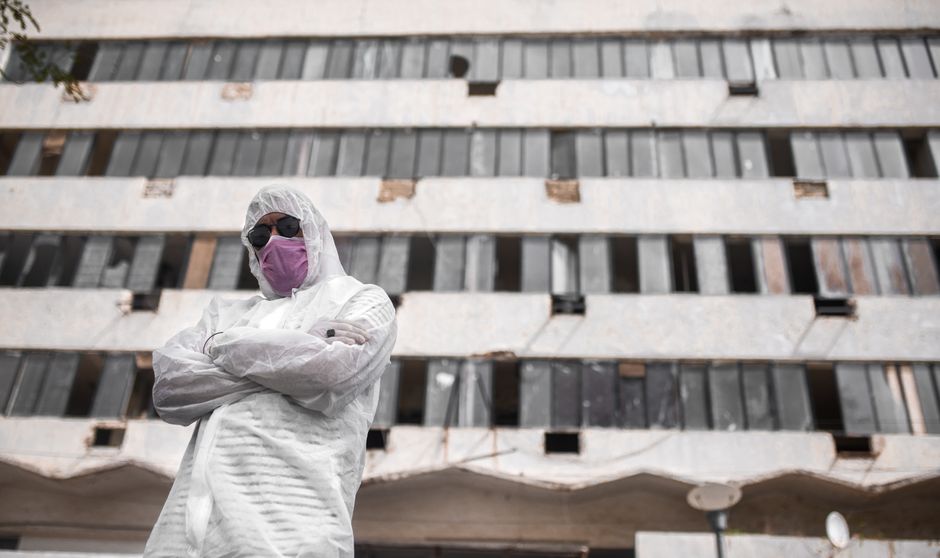
Furthermore, the situation presents a stark contradiction to every internationally recognized standard for managing highly infectious diseases. Placing a suspected Ebola patient in a general hotel facility alongside a vulnerable, detained population flies in the face of established quarantine procedures, which typically involve dedicated, isolated medical facilities with trained staff and stringent infection control. The sheer audacity of such an alleged arrangement strains credulity, begging the question of whether this is a case of desperate improvisation or wilful negligence. And where, one might wryly ask, is the U.S. oversight for the welfare of individuals it has just deported? While their legal status may have changed, a humanitarian responsibility, however inconvenient, often lingers. The current situation suggests a significant disconnect between the act of deportation and any ongoing concern for the safety of those departed. The lack of clarity from both sides creates a fog of plausible deniability, benefiting no one but those who prefer to operate in the shadows.
Come Monday morning, this report, if verified, doesn’t just call for stern words; it calls for immediate, decisive action. The stakes are immense: the lives of the detained deportees, the potential for a wider public health crisis, and the international community’s faith in basic humanitarian standards. The U.S. government, having dispatched these individuals, will undoubtedly face renewed scrutiny regarding its due diligence and its commitment to ensuring basic safety for those it deports. For Equatorial Guinea, the claims demand a swift, transparent response, not just for the sake of its reputation, but for the actual health of everyone within its borders, detained or otherwise. Ignoring such a serious accusation is no longer an option.
Source: OnTheRecord