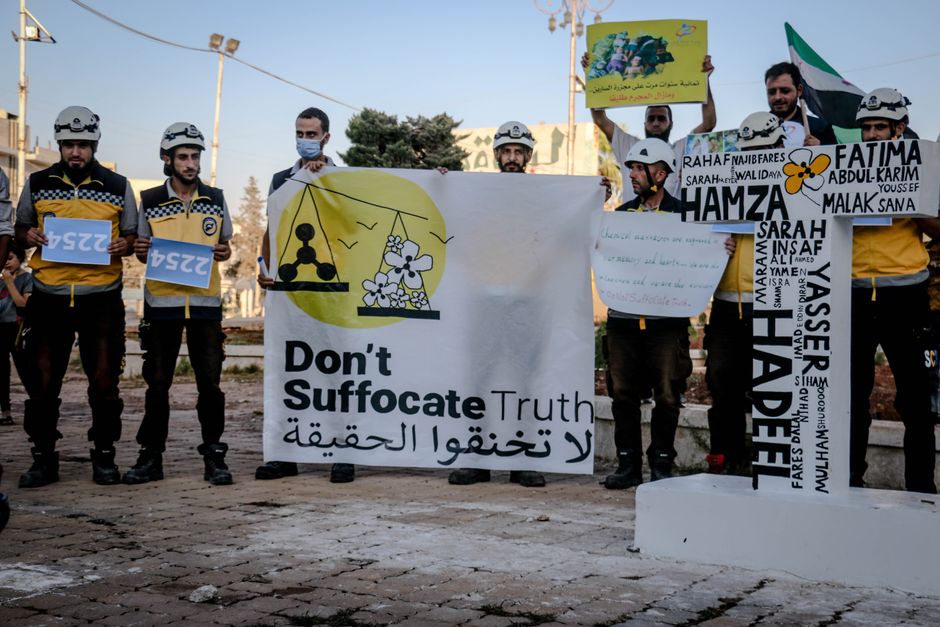
Is the world truly ready to believe that Syria, a nation with a documented history of deploying chemical weapons against its own people, has suddenly turned over a new leaf? This latest pronouncement from the global watchdog demands a closer look, not just a celebratory nod.
According to Al Jazeera, Syria has had its voting rights restored within the Organisation for the Prohibition of Chemical Weapons (OPCW). This decision comes as the watchdog cites progress made by Syria’s new leadership in addressing outstanding chemical weapons issues.
Syria’s Enduring Chemical Conundrum
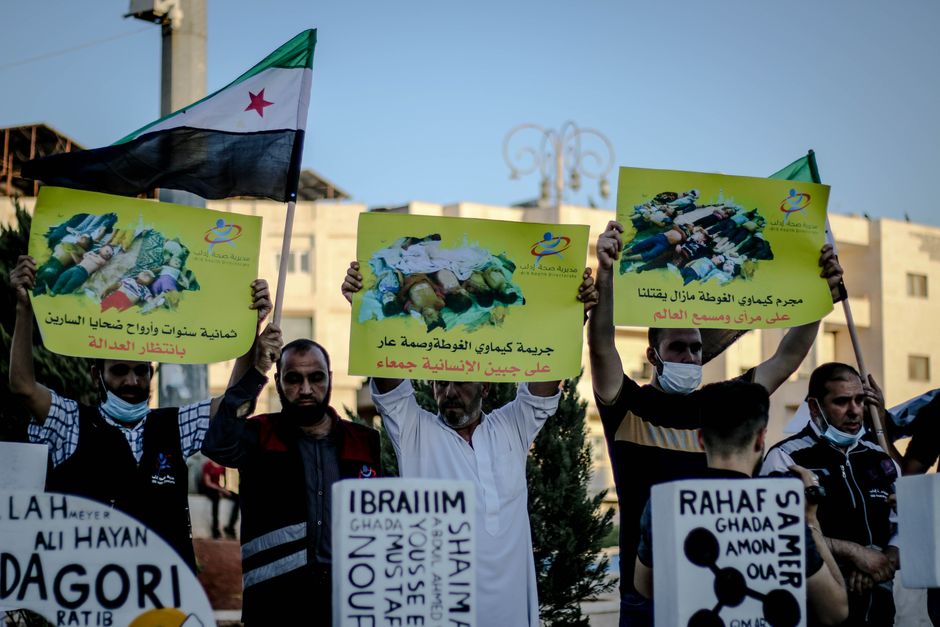
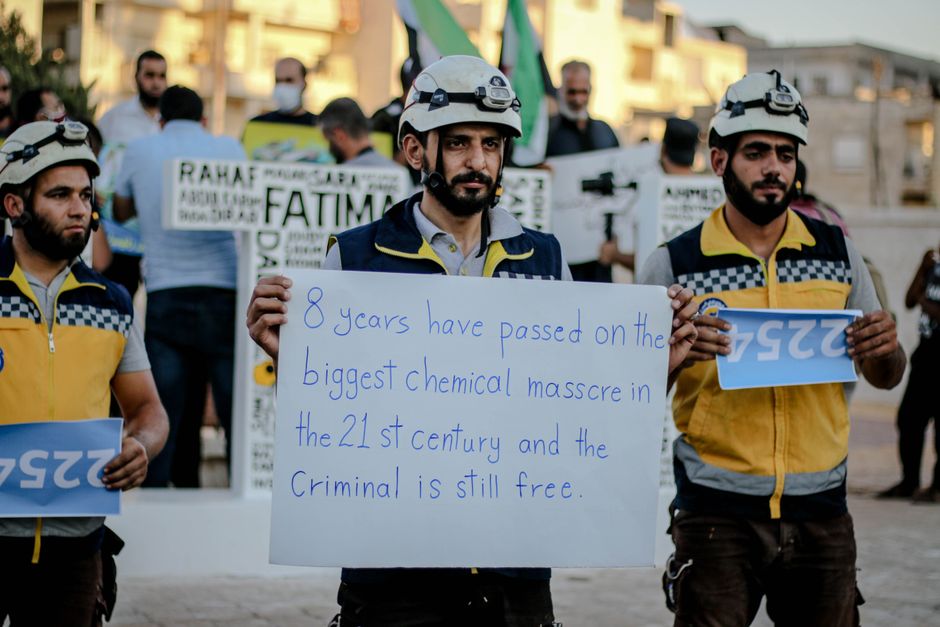
This isn’t just bureaucratic housekeeping; it’s a seismic shift in international diplomacy concerning conflict and security. For years, Syria was an international pariah on this front, stripped of its voting rights in 2021 after repeated failures to declare and dismantle its chemical arsenal. The OPCW’s investigative teams, specifically the Investigation and Identification Team (IIT), have repeatedly pointed fingers directly at the Assad regime for multiple chemical attacks, most notoriously the sarin attack in Khan Sheikhoun in 2017. These attacks weren’t just isolated incidents. They were a brutal tactic of war, designed to terrorize civilian populations and break resistance.
The previous Syrian leadership faced immense pressure, including sanctions and diplomatic isolation, precisely because of these heinous acts. The very premise of the OPCW is to eradicate chemical weapons globally, making Syria’s non-compliance a direct challenge to its mandate. The restoration of rights suggests a significant pivot, implying that the “new leadership” — a phrase that demands scrutiny — has convinced the international body of its newfound commitment. This move inevitably raises questions about the political calculus at play, especially given the ongoing geopolitical realignments in the Middle East. It signals a potential thaw, or at least a re-engagement, from an international body that had previously taken a firm stance against Damascus’s documented transgressions with chemical agents.
The Façade of Progress
Let’s not be naive. While the OPCW’s statement points to “progress,” the real question is what kind of progress, and at what cost. Is this a genuine commitment to transparency and disarmament, or a pragmatic capitulation driven by larger geopolitical forces? The timing is crucial. With the world’s attention fragmented by multiple conflicts, perhaps some powers are eager to declare a “win” in one theatre, even if it’s merely symbolic. This move risks legitimizing a regime that has, until recently, shown utter contempt for international norms regarding weapons of mass destruction.
Who wins here? Syria, undoubtedly, gains a measure of diplomatic rehabilitation and a stronger voice in an international forum. Its allies, who have consistently shielded it from harsher penalties, can claim vindication. However, who truly loses? The victims of chemical attacks, for one. Their suffering is not erased by a vote restoration. Moreover, the credibility of the OPCW itself hangs in the balance. If the bar for “progress” is set too low, it sends a dangerous message to other rogue states. It suggests they can stonewall long enough, play the diplomatic game, and eventually, the international community will tire and restore their privileges.
This isn’t just about Syria. It’s about the precedent it sets for global security and the enforcement of vital non-proliferation treaties concerning chemical weapons. We must question whether this “new leadership” is truly reformed or just strategically repackaged for international consumption. It’s a classic case of realpolitik trumping moral imperative in a world desperate for diplomatic “successes.”
So, we are asked to believe that the leopard has changed its spots, not just its fur. But until Syria demonstrates verifiable, consistent, and irrefutable commitment to eradicating its chemical weapons program, this “progress” will remain nothing more than a convenient narrative for a world perhaps too eager to look away. What will it take for the international community to truly learn from history, rather than merely repeat its mistakes?
Source: Al Jazeera