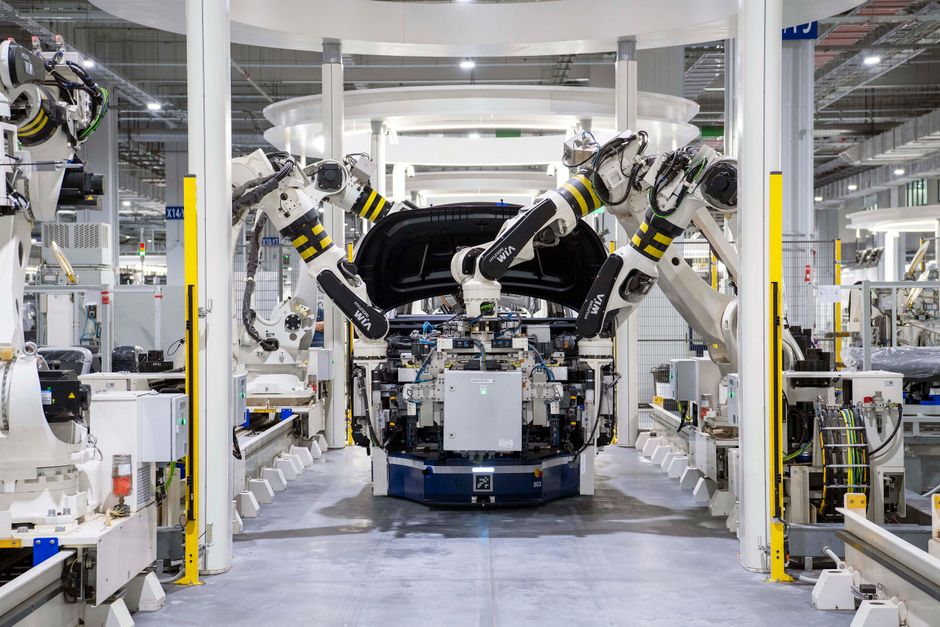
The sound of an economic shoe dropping can be surprisingly loud, especially when it’s a shiny, well-engineered German one. Europe’s car industry, it seems, **faces dramatic** changes, and not the kind that come with a shiny new marketing campaign.
The head of Germany’s powerful autos lobby recently pulled back the curtain on an industry undergoing, shall we say, a significant recalibration. Speaking with a candor that felt less like a briefing and more like a confessional, the lobby chief outlined a future for European carmakers that involves deep, rather painful changes. The context, for anyone paying even passing attention, is a perfect storm of global competition, the electric vehicle transition, supply chain fragility, and the ever-present pressure of energy costs. The goal, ostensibly, is to regain competitiveness and build an industry resilient enough to withstand the next gust of market winds.
What landed
What landed with the thud of an engine block hitting concrete was the unvarnished truth: job cuts and plant closures are not just possibilities, but “inevitable.” This isn’t the usual industry boilerplate about “optimizing efficiencies” or “streamlining operations.” This is a stark, almost brutal, admission that the good old days, or perhaps even the moderately good new days, are over. When a lobbyist, whose primary role is often to paint a rosy picture or lobby for subsidies, declares such measures inevitable, it signals a systemic shift. It suggests that internal industry assessments are far graver than public pronouncements have often let on, moving beyond mere technological disruption to fundamental structural upheaval.
This statement, as reported by the Financial Post, serves as a public declaration of an uncomfortable truth. It acknowledges, quite pointedly, that the industry is no longer merely adapting but rather fighting for its very definition. The implicit message is that the transformation required isn’t incremental, but existential. For an industry often characterized by its robust, if sometimes stubbornly traditional, approach, this level of public alarm is noteworthy, revealing a deep-seated anxiety about the continent’s ability to compete on the global stage, especially against the rapid ascent of Chinese EV manufacturers and the aggressive decarbonization pushes elsewhere. It takes a certain kind of courage, or perhaps just a finely tuned sense of economic theatre, to declare such widespread impact “inevitable” quite so publicly.
What doesn’t add up
While the frankness is appreciated, one can’t help but wonder about the precise timing and framing of this particular inevitability. “Inevitable” is a powerful word, often wielded to disarm opposition or preempt difficult conversations. Who, precisely, has deemed these cuts and closures inevitable, and based on what specific metrics? Is this a collective industry consensus, or a strategic pronouncement designed to soften the ground for future policy demands? The statement, while grimly honest about the consequences, offers little in the way of specific, proactive strategies beyond the rather vague notion of “deep changes” to “regain competitiveness.”
This stark assessment also stands in intriguing, if not directly contradictory, contrast to the rather sunnier pronouncements we’ve heard over the years. Wasn’t Europe, and Germany in particular, positioning itself as a leader in the electric vehicle transition, armed with innovative technology and a skilled workforce? There was certainly a period of rather robust confidence, where the challenges were acknowledged but framed as opportunities to be seized through strategic investment and ingenuity. Now, the rhetoric has shifted dramatically to the defensive, focusing almost exclusively on contraction rather than expansion. One might almost suspect that the “inevitability” of job losses is a prelude to a stern letter to Brussels, requesting a rather large, protective blanket in the form of subsidies, relaxed regulations, or trade barriers to help shield the industry from those very global forces it claims it must now “regain competitiveness” against. The specific recipe for this resilience, beyond simply shedding weight, remains conspicuously absent.
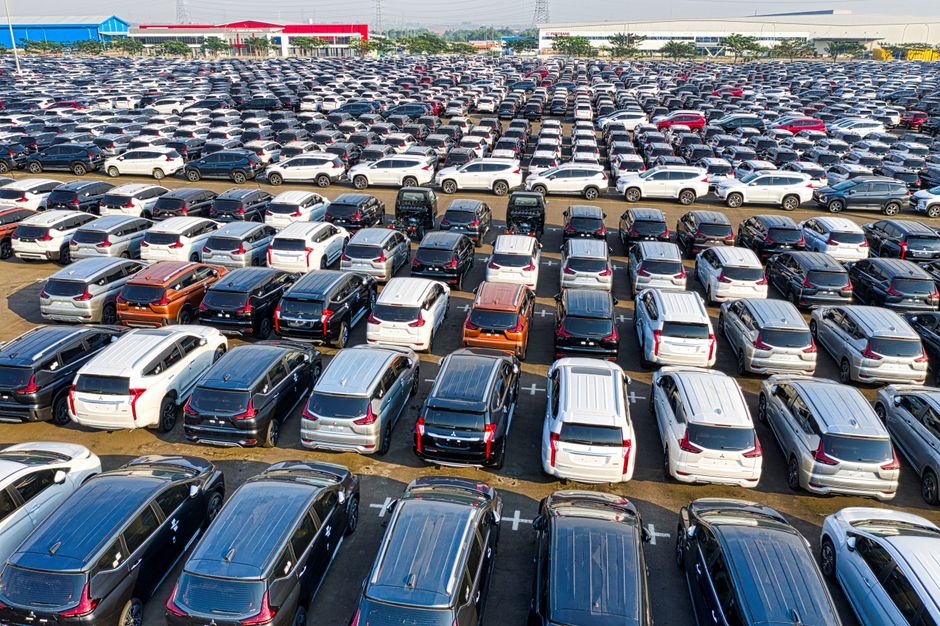
Come Monday morning, this declaration will resonate far beyond boardrooms. For policymakers in Berlin and Brussels, it’s a call to action, or perhaps a pre-emptive strike, hinting at the political capital that will be needed to manage these “inevitable” changes. For the hundreds of thousands of workers across Europe’s automotive heartlands, it’s a stark warning that their livelihoods are directly in the crosshairs of this global industrial realignment. The question isn’t just *if* the European car industry will change, but *how* it will be allowed to change, and at what human cost.
Source: OnTheRecord