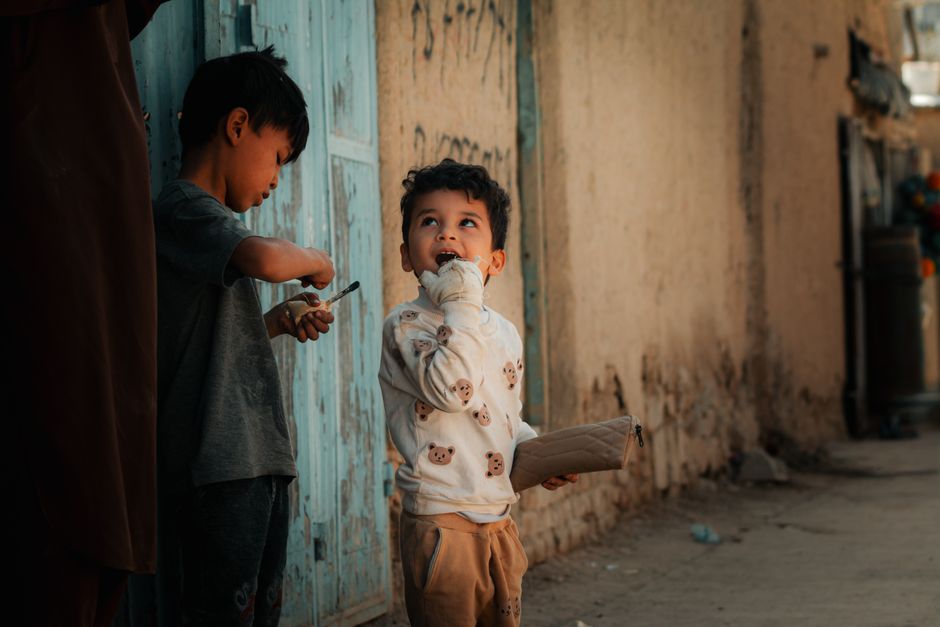
The world loves a success story, especially when it involves public health and vulnerable populations. But what happens when that success unravels, silently, while the world looks away? The tragic resurgence of measles in Bangladesh exposes a brutal truth: progress is fragile, and it’s always the **children** who pay the highest price when global attention wanes.
According to BBC Asia, Bangladesh is currently battling a devastating measles outbreak, with over 120,000 suspected and confirmed cases reported, pushing its hospitals to breaking point. This is a country once lauded for its significant strides against the highly infectious disease.
The Crushing Burden on Bangladesh’s Children
Bangladesh, a nation of immense challenges, had demonstrated remarkable resilience and commitment to public health. For years, it was a beacon, showcasing how widespread vaccination campaigns could protect its youngest citizens. This recent outbreak isn’t merely a lapse in local public health; it’s a symptom of deeper, systemic pressures that the international community has chosen to largely ignore.
The sheer volume of suspected cases—120,000 and climbing—is not just a statistic. Each number represents a family’s nightmare, a child fighting for breath, or worse. This isn’t happening in a vacuum. Bangladesh shoulders the immense burden of hosting over a million Rohingya refugees, displaced by conflict and ethnic cleansing in neighboring Myanmar.

These refugee camps are not just temporary shelters; they are vast, densely populated communities inherently vulnerable to disease transmission. The very infrastructure of public health, already strained by the needs of its own burgeoning population, buckles under the weight of such a massive humanitarian crisis. The resources needed to maintain high vaccination rates, conduct surveillance, and provide adequate treatment become impossibly stretched. Moreover, the constant movement of people, even within the camps, facilitates the rapid spread of infections like measles.
A Predictable Catastrophe for the Region’s Children
Let’s be blunt: this outbreak was not unpredictable. It was, in fact, an almost inevitable consequence of protracted neglect and selective global engagement. The initial urgency surrounding the Rohingya crisis has faded, replaced by donor fatigue and a shifting geopolitical landscape. Yet, the refugees remain, and with them, the heightened risk of infectious disease outbreaks.
This isn’t just a health crisis; it’s a security crisis in slow motion. When disease runs rampant, social stability erodes. When hospitals are overwhelmed, the entire health system teeters on the brink. The global community celebrated Bangladesh’s initial generosity in taking in the refugees, but it has largely failed to provide sustained, adequate support for the long haul. Instead, the country is left to manage a complex humanitarian and public health catastrophe with increasingly limited resources.
The irony is galling. The world rightly fears the spread of novel pathogens, yet it often turns a blind eye to the resurgence of preventable diseases like measles, especially when they afflict populations deemed “other” or “far away.” This complacency is a moral failing. Furthermore, it undermines years of hard-won progress, not just in Bangladesh, but potentially across the entire South Asian region, where interconnected populations can easily facilitate cross-border transmission.
What does it say about our priorities when a country that showed the world how to protect its **children** from measles is now overwhelmed by it again? It says that our compassion is fleeting, our commitment conditional, and our vision frustratingly myopic. The mainstream narrative often focuses on grand diplomatic gestures or large-scale conflicts, missing the slow-burning humanitarian disasters that claim lives just as surely, if less dramatically. We are witnessing the tragic unmaking of a public health triumph, largely because the underlying issues of conflict, displacement, and inadequate aid have been left unaddressed.
The international community must acknowledge that humanitarian crises are not isolated events. They are interconnected web of challenges that demand sustained attention and resources. Ignoring the plight of displaced populations, and the strain they put on host nations, is not just inhumane; it’s short-sighted and ultimately dangerous for global health security. Until we address the root causes of displacement and provide robust, long-term support to countries like Bangladesh, we will continue to witness these heartbreaking reversals of progress. The question isn’t *if* another preventable tragedy will strike, but when, and how many more **children** will pay the ultimate price?
Source: BBC Asia