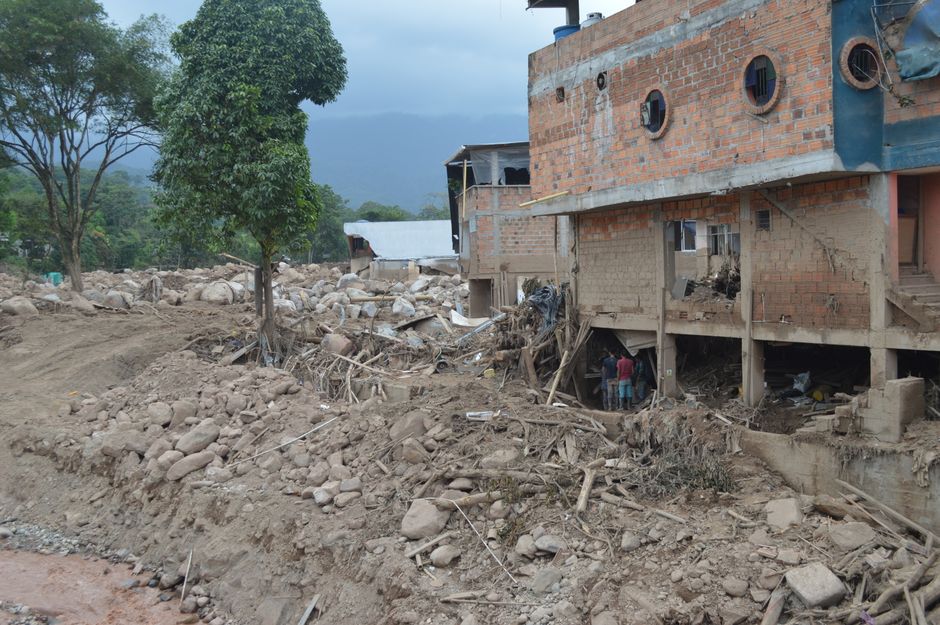
Another day, another tragedy that exposes the brutal fault lines in both the earth and our global conscience. What truly happens *after* the cameras pack up and the initial shock subsides? For Venezuela, the answer is a prolonged, agonizing struggle, far from the fleeting attention of the world.
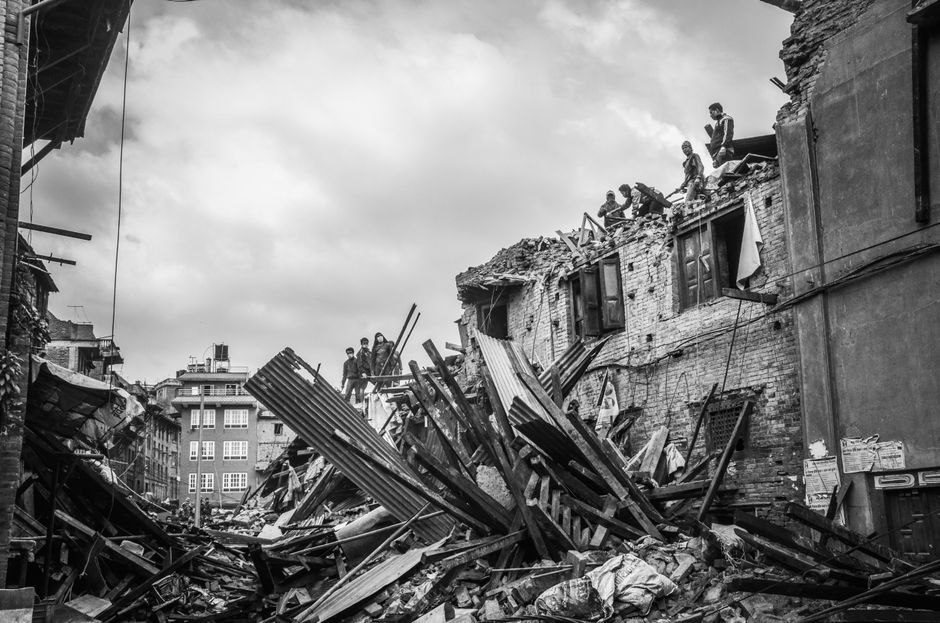
According to France 24, two recent earthquakes have claimed over 3,000 lives in Venezuela, leaving 17,000 injured and thousands of homes utterly destroyed. This catastrophic toll has plunged survivors into an immense psychological abyss, forcing them to grapple with trauma and grief on an unimaginable scale.
Venezuela’s Fragile State After the Quakes
This natural disaster did not strike a nation at peace or in prosperity. Instead, it hammered a country already buckling under years of severe economic crisis, political instability, and social decay. Venezuela was already a humanitarian catastrophe long before the ground started to shake. Decades of mismanagement, corruption, and international sanctions have crippled its infrastructure, hollowed out its public services, and driven millions into poverty or exile.
Therefore, the earthquakes merely amplified an existing crisis, turning a dire situation into an outright national emergency. Hospitals were already struggling with basic supplies, and housing was already scarce. Now, with thousands injured and homes obliterated, the capacity to respond is virtually non-existent. This is not just about rebuilding structures; it’s about healing a society that was already deeply scarred. The true test begins *after* the initial shock wears off, revealing the true depth of systemic failure.
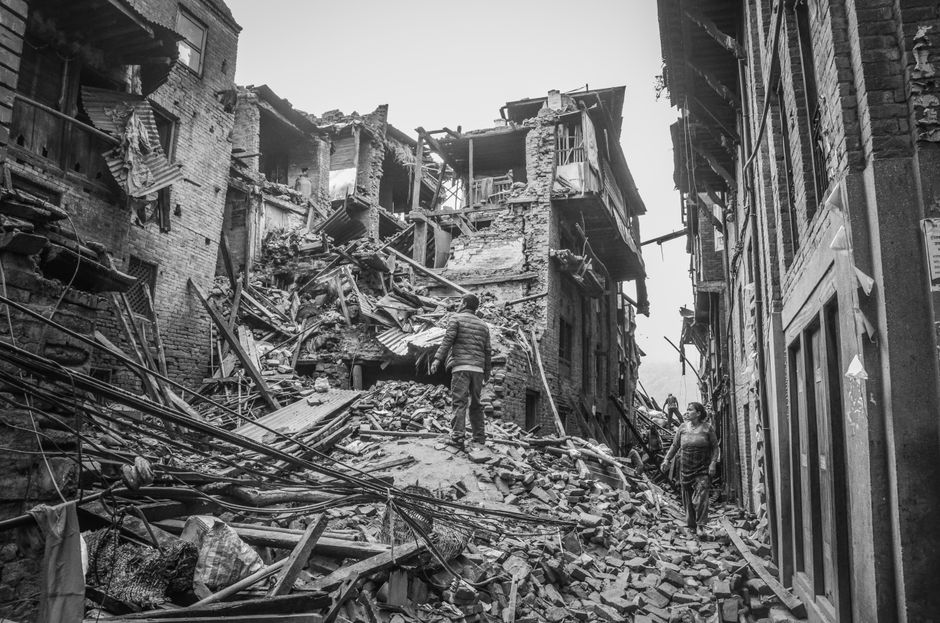
The existing government, perpetually struggling with legitimacy and resources, faces an impossible task. Its ability to coordinate effective relief, secure international aid, and provide long-term support is severely compromised. This isn’t just a logistical challenge; it’s a political one, rooted in years of fractured governance. Meanwhile, the international community, often quick to offer rhetorical support, remains hesitant to engage meaningfully with a regime it frequently condemns, leaving the Venezuelan people caught in the crossfire.
The Unseen Casualties and Political Fault Lines
The mainstream narrative often focuses on death tolls and immediate aid, missing the far more insidious, long-term devastation. The psychological trauma now afflicting tens of thousands of Venezuelans is an unseen casualty, a wound that festers long *after* the rubble is cleared. Entire communities are now living in fear, deprived of stability, security, and the basic dignities of home. Children, in particular, will carry these scars for a lifetime, impacting their development and the nation’s future.
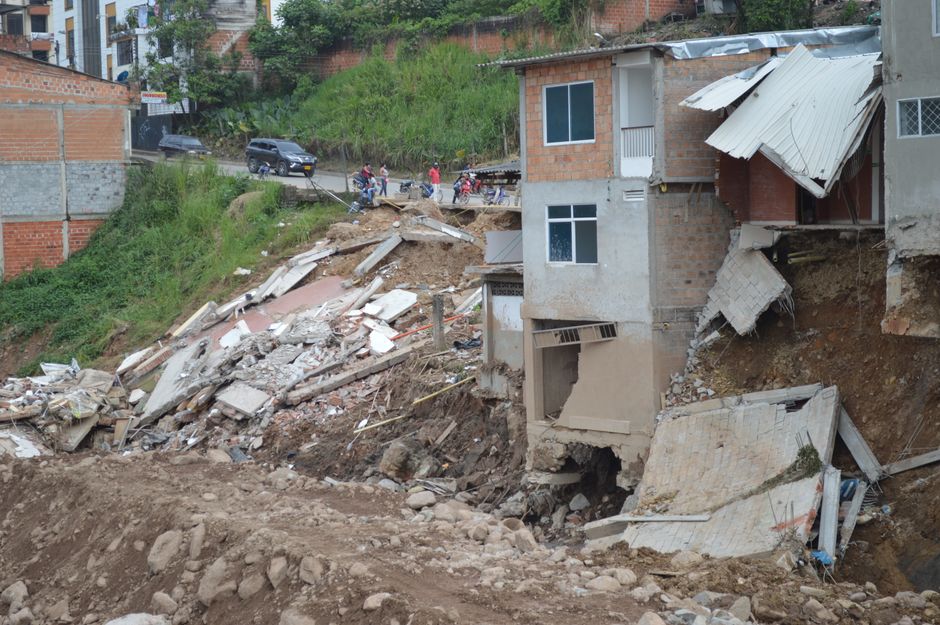
This tragedy lays bare the brutal hypocrisy of a world that selectively engages with suffering. Nations that once debated humanitarian interventions in Venezuela now seem content to offer platitudes as its people literally crumble. The very sanctions designed to pressure the regime have inadvertently weakened the state’s capacity to respond to such crises, leaving ordinary citizens to bear the brunt. It’s a cruel irony that those meant to be “saved” are now left to fend for themselves, with limited governmental or international assistance.
What happens *after* the international camera crews leave and the story slides off the front page? The burden of rebuilding falls squarely on a population already at breaking point, led by a government that can barely keep the lights on. The risk of disease, crime, and further social breakdown looms large. This isn’t just a natural disaster; it’s a profound humanitarian crisis exacerbated by political gridlock, both internal and external. The silence from many global powers on the specifics of long-term aid and recovery for Venezuela is deafening, a stark reminder of how quickly “crisis” can turn into “forgotten struggle.”
The people of Venezuela deserve more than just sympathy; they demand concrete action and an end to the political maneuvering that consistently leaves them vulnerable. Their resilience is immense, but even the strongest spirit can break under relentless pressure. Until the international community and the Venezuelan government prioritize its citizens over political posturing, the true cost of these earthquakes will continue to mount, long *after* the ground has settled.
Source: France 24