The **Dollar** is ascendant, not just on the trading floor, but in the anxious calculations of global stability, demanding clear answers where only silence, or worse, old promises, now echo.
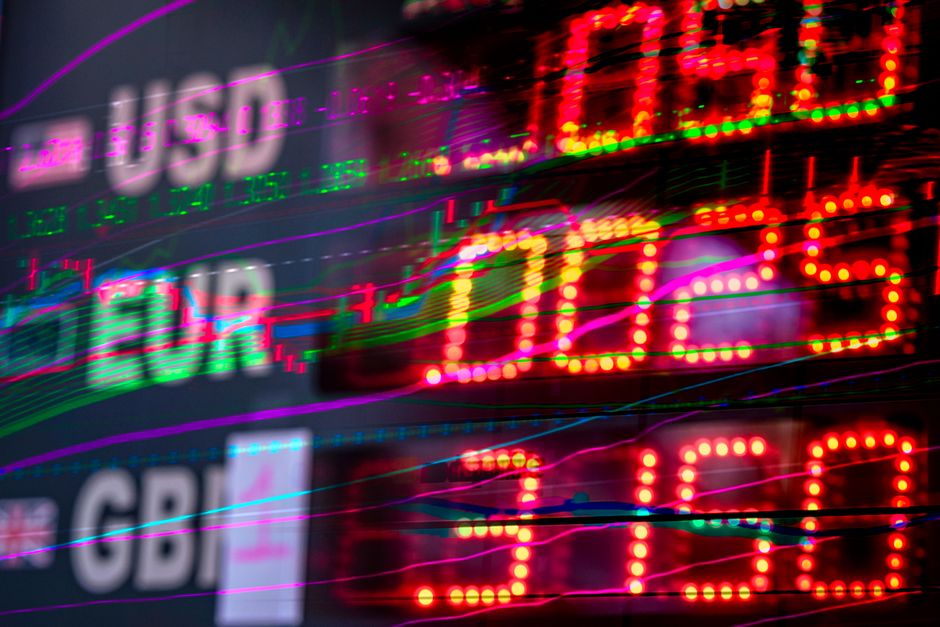
We’re told this week saw the greenback firming up after a brief wobble, according to Channel News Asia, while the Japanese Yen continued its precipitous slide, clinging precariously near a 40-year nadir. This isn’t just a technical blip; it’s a stark, real-time referendum on global economic policy. Yet the expected voices from the executive suites remain conspicuously muted, leaving markets to do the talking.
The question isn’t if intervention is coming, but why the architects of our financial fates are allowing the suspense to build to such a fever pitch, rather than providing the clear guidance we’ve come to expect from presidential and world leader commentary.
What landed
What landed with unmistakable force this week wasn’t a carefully crafted soundbite from a central bank governor or a presidential address, but the cold, hard reality of market data itself. The **Dollar** didn’t just advance; it marched forward with the confidence of a currency whose foundational economy, despite all the hand-wringing and cautious forecasts, still commands respect, at least in relative terms. This ascent, following a couple of gentle dips, speaks volumes about investor sentiment – a quiet resignation that for all the global turbulence, the U.S. remains the safest harbour, or perhaps, the least leaky boat.
The accompanying plummet of the Yen, teetering at its lowest point in four decades, is equally loud, though far more alarming. It’s a visceral expression of a nation’s economic vulnerabilities, and a stark signal of the market’s dwindling patience for anything less than decisive action. The expectation of Japanese intervention isn’t merely speculation; it’s a desperate plea from the trading desks, a clear indication that the current trajectory is unsustainable and requires a direct, forceful response. The market isn’t just reacting; it’s *demanding* a policy shift, making its own “statement” when official ones are lacking.

What doesn’t add up
Here’s where the narrative of stability and controlled stewardship absolutely crumbles under the weight of market reality. For months, perhaps even years, we’ve been treated to assurances of robust economic fundamentals, of inflationary pressures being transient, and of exchange rates reflecting underlying strength. Yet, the persistent weakness of the Yen and the relentless grind higher of the **Dollar** scream a different story entirely, one of structural imbalances and a widening chasm between policy rhetoric and on-the-ground impact.
Recall the persistent official line about gradual adjustments and the careful calibration of monetary policy designed to avoid market shocks. The current situation, with the Yen flirting with a four-decade low, is a direct contradiction to any notion of a smoothly managed economic transition. Where are the pronouncements that once so confidently predicted a balanced global recovery? The silence from Tokyo on immediate, concrete steps, beyond the vague threat of “intervention,” clashes sharply with the urgency broadcast by every tick of the currency exchange. It suggests either a profound misjudgment of market forces or a strategic paralysis that leaves global investors guessing, which is precisely the opposite of what prudent leadership professes to deliver. The market isn’t just asking for clarity; it’s showing the world that previous assurances about stability were, at best, aspirational, and at worst, fundamentally out of touch with economic gravity.
When the **Dollar** rises and the Yen crumbles, it’s more than just numbers on a screen; it’s a direct challenge to the credibility of global economic leadership. Come Monday morning, businesses will adjust forecasts, investors will reallocate capital, and central banks will feel the intensifying pressure to move beyond vague warnings to actual, tangible policy decisions. The market has spoken; now, the leaders must choose between echoing its alarm or proving their pronouncements were more than just empty air.
Source: OnTheRecord