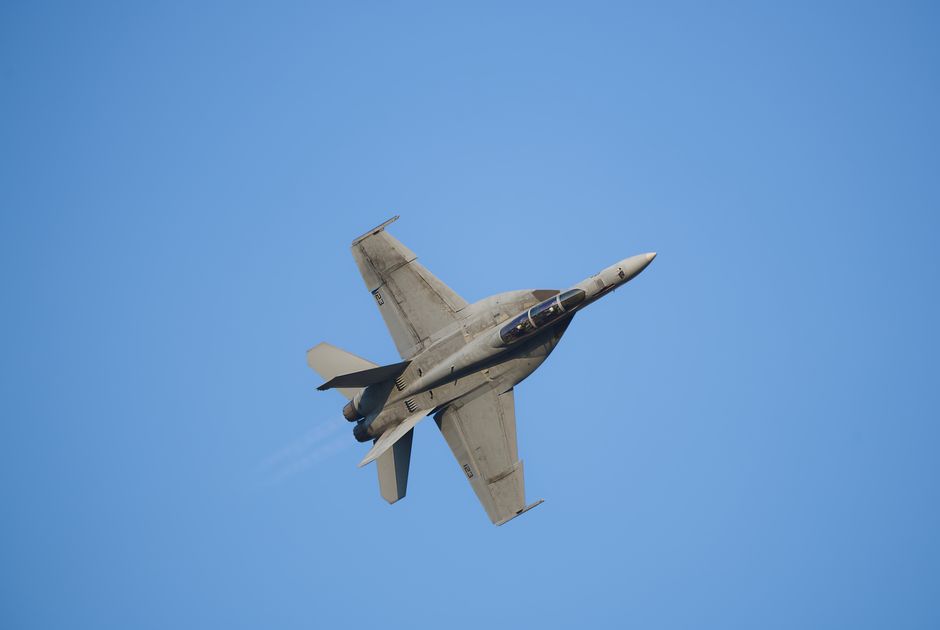
Another Monday, another unwelcome reminder that the Cold War never truly ended, merely mutated. The latest aerial tango involving UK fighter jets and a **Russian** aircraft over the Norwegian Sea isn’t just a military exercise; it’s a deliberate, calculated statement designed to kick off the week with a jolt of geopolitical tension.
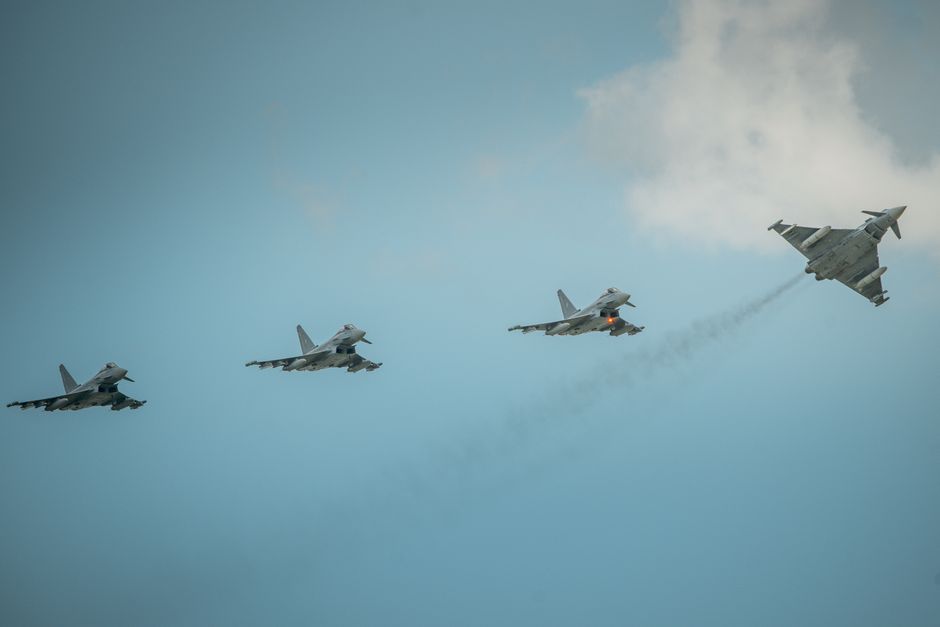
According to the BBC, the Ministry of Defence has swiftly condemned Moscow’s activity, labelling it “unsafe” and “unprofessional.” This comes after RAF Typhoons were scrambled to intercept a Russian plane, forcing a rapid response from the UK’s air defence network.
The Persistent Russian Challenge
This isn’t an isolated incident; it’s a recurring pattern, a predictable opening gambit in Moscow’s playbook. For years, Russian military aircraft have routinely probed the airspace near NATO borders, testing response times and asserting their presence. The Norwegian Sea, in particular, holds immense strategic value. It acts as a critical gateway to the North Atlantic, a chokepoint for naval operations, and a vital area for submarine activity.
The players here are clear: the UK, operating within its NATO commitments, and Russia, constantly pushing the boundaries of international norms. These intercepts are not about accidental incursions. They are about sending messages, both externally to NATO allies and internally to a domestic audience that thrives on narratives of resurgent Russian power and defiance against the West. Each “unsafe” manoeuvre serves as a low-cost, high-impact demonstration of intent. It reminds everyone that despite other global distractions, the eastern flank of Europe and the Arctic remain volatile flashpoints.
Moscow’s Provocative Playbook
Let’s be blunt: Moscow isn’t just “flying planes.” It’s engaged in a sophisticated game of psychological warfare and strategic posturing. Calling their activity “unsafe” and “unprofessional” is accurate, but it also glosses over the deeper implications. This isn’t mere carelessness; it’s a deliberate attempt to probe vulnerabilities, to gauge the speed and readiness of NATO’s integrated air defence systems. Every scramble, every intercept, provides valuable intelligence on operational procedures and equipment.
Furthermore, these actions serve as a constant drain on resources. Scrambling fighter jets is expensive, requiring fuel, maintenance, and personnel. Russia, despite its economic challenges, seems willing to bear this cost to keep its adversaries perpetually on edge. While some might argue these are simply routine patrols in international airspace, the “unsafe” designation from the Ministry of Defence clearly indicates a breach of standard aviation conduct. It signifies dangerously close approaches or non-responsiveness that could easily lead to a catastrophic incident.
This incident, coming at the start of the week, immediately sets a confrontational tone for political and security discussions across Europe. It reminds politicians and military planners that the threat isn’t theoretical; it’s tangible and ever-present. The mainstream narrative often frames these as isolated events, but they are threads in a larger tapestry of Russian assertiveness, from cyberattacks to disinformation campaigns. This aerial chess match is just one visible manifestation of a broader, sustained challenge to the post-Cold War order. It forces NATO to remain vigilant, to invest in defence, and to constantly reassess its posture. Ignoring the intent behind these actions would be a grave mistake.
So, as the week begins, don’t mistake this for a mere technicality or a pilot’s error. This is Russia saying, “We are here. We are watching. And we will continue to test your resolve.” The question isn’t *if* it will happen again, but *when* and with what escalating audacity will the next Russian provocation arrive.
Source: BBC UK