Is there anything more infuriating than an act of simple human decency ending in absolute tragedy? This past week, the news out of Kodad delivered a gut punch, revealing a story that began as an apparent road accident but unfolded into something far more sinister and profoundly depressing. It forces us to ask: what does it truly cost to be a good Samaritan in today’s world?
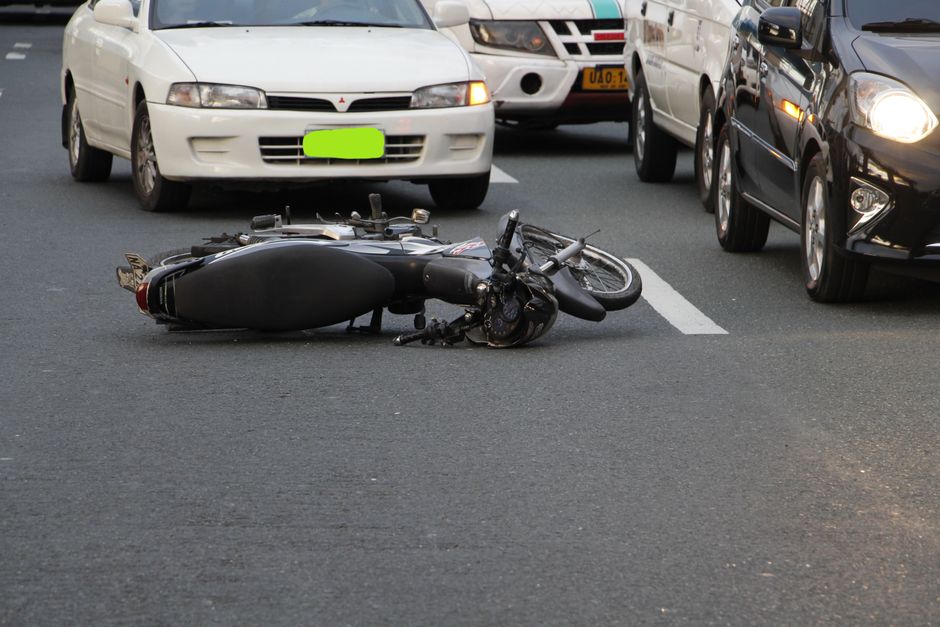
According to NewsAPI reports, Yakub Pasha met a gruesome end after attempting to de-escalate a heated argument in a bar. He was kicked by an intoxicated patron who mistakenly believed Pasha was an aggressor. This violent shove caused Pasha to fall into the path of an oncoming truck, resulting in his fatal injury. Police initially categorized the incident as a traffic accident, but crucial CCTV footage later painted a starkly different, horrifying picture.
The Kodad Incident: A Crushing Betrayal of Good Intentions
This isn’t just another sad story; it’s a stark commentary on our collective complacency and the thin veil of justice. The initial police assessment of Pasha’s death as a mere road accident speaks volumes about the systemic failures that often plague investigations. Without the silent, ever-present eye of CCTV, this blatant act of violence, leading directly to a man’s death, might have been swept under the rug as an unfortunate mishap. This reclassification from accident to murder fundamentally shifts the narrative. It demands a different level of accountability, not just for the immediate perpetrator, but for the environment that fostered such a reckless act.
We must consider the pervasive issue of alcohol-fueled aggression, especially in public spaces like bars. These establishments often walk a tightrope, balancing profit with public safety, and sometimes, the latter falls tragically short. Moreover, the incident highlights a deeper societal dilemma. Yakub Pasha was not involved in the original altercation; he was a peacemaker. He saw a situation escalating and chose to intervene, to be the calm in the storm. This act, born of a desire for harmony, ultimately cost him his life.
It forces us to confront the dangerous paradox of civic responsibility: when is it right to step in, and what are the unwritten, often deadly, risks involved? The Kodad tragedy underscores the perilous tightrope walked by those brave enough to challenge public disorder. It raises uncomfortable questions about what kind of society we are building when the very act of trying to prevent harm can lead to your own demise. The quick judgment and violent reaction of the intoxicated individual are symptoms of a larger societal ill, where self-control evaporates and consequences are an afterthought. This entire sequence of events, from the initial fight to the fatal kick, is a grim reminder of how quickly seemingly minor disputes can spiral into irreversible catastrophe.
The Perilous Price of Intervention
Let’s be brutally honest: Yakub Pasha died because he tried to do the right thing. This isn’t just an accident; it’s a murder born of irrational drunken rage, and its cover-up, however brief, by an initial police report, is a scandal. The mainstream narrative often celebrates heroes, but how often do we truly examine the dangers we expect them to face? Pasha’s story serves as a chilling deterrent for anyone else contemplating intervening in a public disturbance. Who wins here? The drunk assailant, who for a fleeting moment, thought his violent outburst was justified, now faces the full wrath of the law, thanks to technology. Society, perhaps, wins a modicum of justice, but at what cost? We lose a man of peace, and we gain a stark reminder that sometimes, the safest thing to do is simply watch.
However, standing by and doing nothing also comes with its own moral price. The Kodad incident forces a difficult choice upon us: intervene and risk everything, or remain passive and live with the potential guilt of inaction. This isn’t a new dilemma, but the clarity provided by CCTV footage makes it uncomfortably real. It strips away any ambiguity, showing a clear aggressor and an innocent victim. What could go wrong? Beyond the immediate tragedy, this incident erodes trust. It erodes trust in public spaces, trust in the safety nets we assume are in place, and even trust in our fellow citizens to act rationally. It highlights a critical flaw in our societal fabric where impulse often triumphs over reason, and basic human empathy seems to be in short supply. The emphasis shifts from mere law enforcement to the deeper problem of public decorum and the expectation of self-regulation. When that breaks down, as it clearly did in Kodad, the consequences are invariably catastrophic.
The narrative of “accident” versus “murder” is crucial here. An accident suggests no intent, no malice. Murder, however, brings with it a deliberate act, even if fueled by intoxication and mistaken identity. The distinction isn’t just legal; it’s moral. It reshapes how we view the victim, the perpetrator, and the incident itself. It speaks to the value we place on human life and the accountability we demand for its taking. The initial misclassification was not just an administrative error; it was a denial of justice, a minimization of a life lost to senseless violence. The very existence of such pervasive violence, often exacerbated by alcohol, paints a grim picture of urban life for many. This isn’t an isolated incident; it’s a symptom of a larger problem that continues to plague our communities, making everyday interactions potentially hazardous.
So, what does the tragic death in Kodad truly tell us? It tells us that sometimes, the line between a good deed and a fatal mistake is terrifyingly thin, and that justice, if it comes at all, often relies on the cold, unblinking eye of a camera. Are we truly safer, or are we just more fully documented as the chaos unfolds around us?
Source: NewsAPI:q