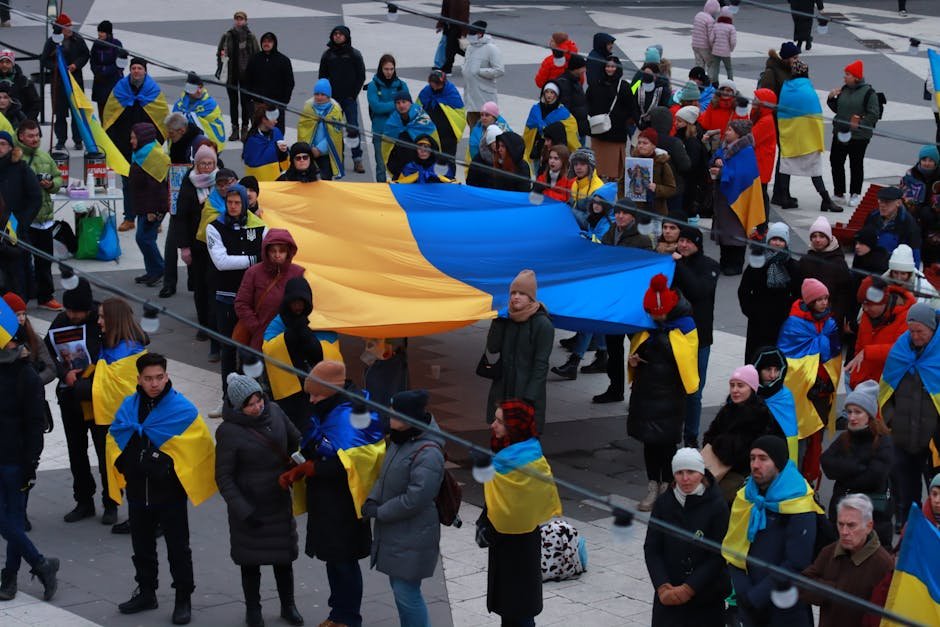
Welsh Leader frames the debate here: In a world where symbols often speak louder than words, the unceremonious call for the removal of the Ukrainian flag from outside Wales’ Senedd feels like a drunken rant at a wedding; it’s crass, misinformed, and utterly tone-deaf. Dan Thomas, the leader of Reform Wales, has thrown his hat in the ring, asserting that the flag has “no relevance” now that the UK is no longer in the EU. This is not just a call for flag etiquette; this is a demand to erase a symbol of solidarity with a nation under siege, all in the name of misunderstanding and misplaced nationalism.
Why Welsh Leader matters now
According to the BBC, Thomas’ argument isn’t just a fringe opinion; it’s backed by a growing faction that seems to believe that international solidarity has a shelf life. He insists that local issues should take precedence, a sentiment echoed by those who feel that Wales’ own challenges—economic, social, and political—deserve attention without distraction from foreign matters. But let’s be real: this isn’t just about local issues. It’s about the very fabric of what it means to be part of a global community.
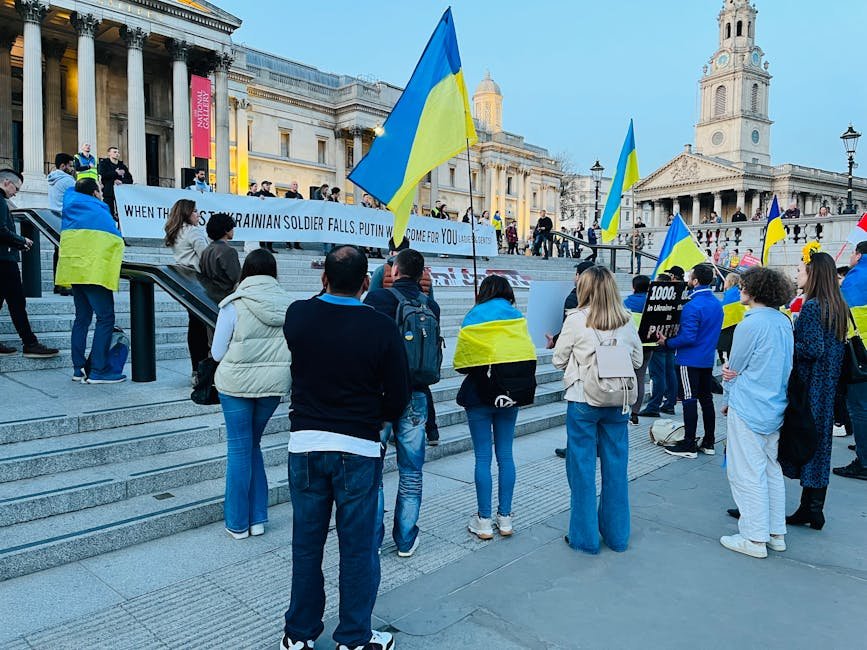
The context here is vital. The war in Ukraine has raged on, painting a grim picture that resonates far beyond its borders. As Europe grapples with the implications of this conflict—energy crises, refugee waves, and geopolitical instability—petty calls for cultural isolationism appear not only shallow but dangerously simplistic. What Thomas and his cohorts don’t seem to understand is that supporting Ukraine isn’t a matter of waving a flag; it’s an acknowledgment of shared human values.
The stakes around Welsh Leader
The stakes are high here. Thomas’ comments represent a broader tendency that is slowly squirming into the mainstream: a retreat into the comfort of parochialism. By advocating for removing the flag, he risks granting legitimacy to a form of nationalism that thrives on division rather than unity. Who truly benefits from this? Certainly not the people of Wales or Ukraine. The losers are the very ideals of solidarity and empathy that are desperately needed in times of crisis.
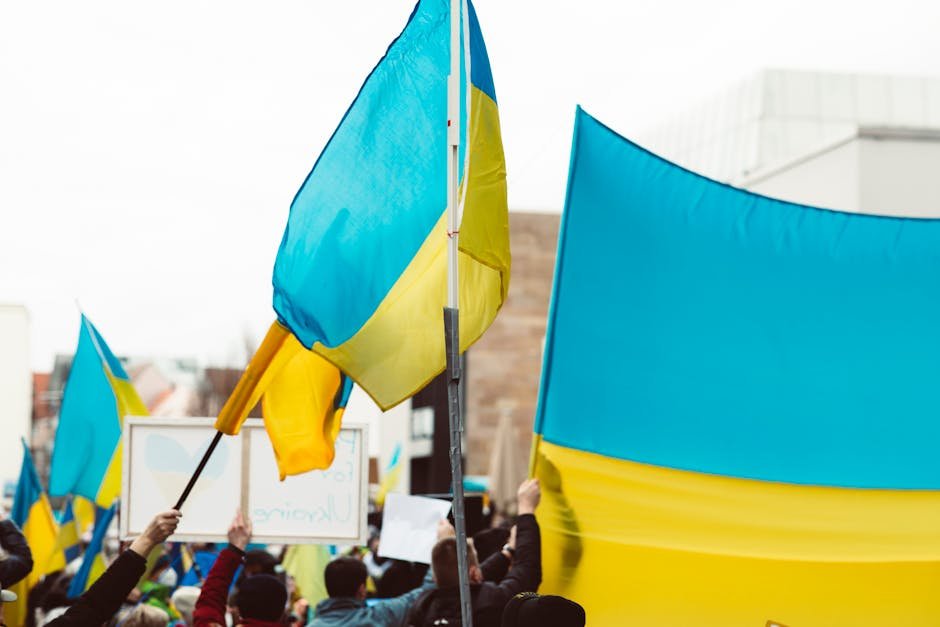
Sure, there will be counterarguments suggesting that resources should stay focused on domestic issues. But that’s a false dichotomy. Helping others can coexist with addressing local needs. In fact, showing solidarity with Ukraine could inspire a sense of pride and responsibility among the Welsh. It serves as a reminder that our struggles are interconnected.
What about the potential backlash? If the Welsh government supports the removal, it risks alienating not just Ukrainians but also the many local advocates who have rallied around global humanitarian causes. This is a moment where leadership should be about courage and conscience, not capitulation to a loud minority.
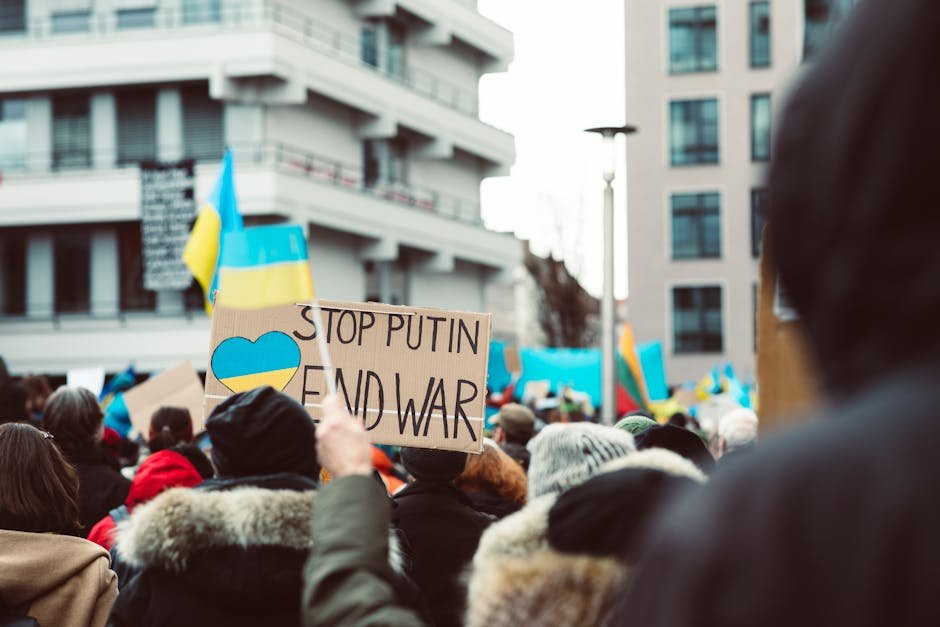
So, let’s be clear: the call to remove the Ukrainian flag isn’t merely an innocuous gesture. It’s a dangerous precedent that invites a chilling wave of isolationism. As we navigate through these tumultuous times, we must ask ourselves: Do we really want to live in a world where we turn our backs on those fighting for their freedom, or will we proudly stand with them, raising our flags high for all to see?
Source: Google — UK & Europe