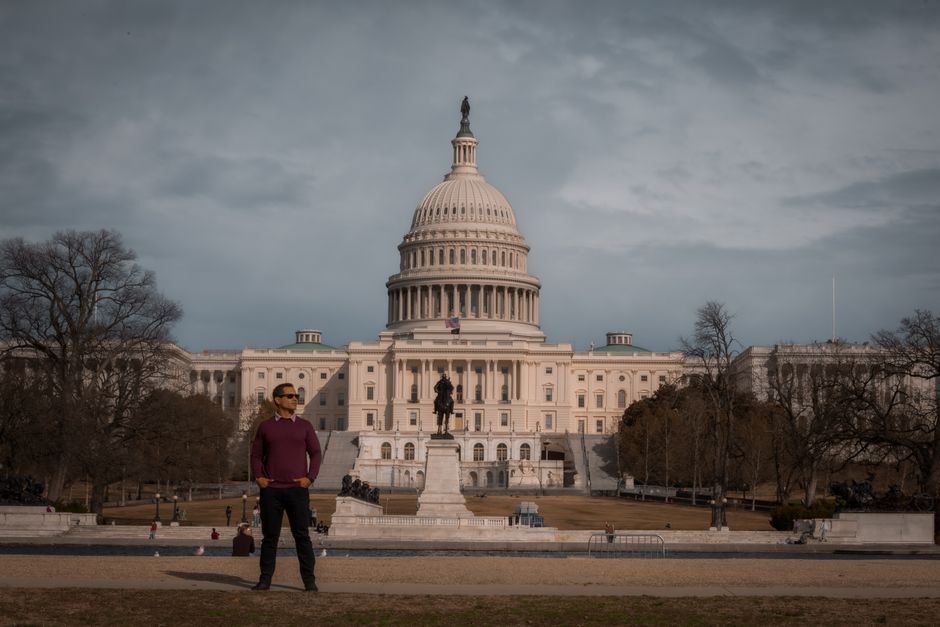
Must Fix frames the debate here: The U.S. seems to be waking up to an uncomfortable truth: its relationship with South Asia is in dire need of repair. Senator Marco Rubio’s recent trip to India isn’t just a diplomatic jaunt; it’s a strategic maneuver that highlights the growing urgency for the U.S. to recalibrate its foreign policy in a region where it has long been eclipsed by China. According to NBC News, Rubio’s visit aims to strengthen ties with India amid increasing tensions in the Indo-Pacific.
The State of South Asia and U.S. Diplomacy
The backdrop of this trip is a shifting geopolitical landscape. South Asia has become a focal point in the rivalry between the United States and China, with India standing as a crucial ally. The Biden administration has made some overtures to strengthen its relationship with New Delhi, but inconsistency in approach has left many questioning U.S. commitment. Rubio’s visit is a wake-up call—either the U.S. gets serious about engaging with South Asia, or it risks losing ground to China, which is investing heavily in its own relationships in the region.
Tensions in South Asia are not merely about military posturing; they extend to trade, technology, and diplomatic influence. With issues like border disputes between India and China simmering, any lack of engagement from the U.S. could be perceived as a vacuum waiting to be filled by adversarial powers. Failure to act could embolden China’s ambitions and leave the U.S. on the sidelines.
The Stakes of Repairing Ties in South Asia
So what’s really at stake? Rubio’s visit is intended to signal to both allies and adversaries that the U.S. is committed to a robust presence in South Asia. This isn’t merely about improving bilateral relations; it’s about ensuring that the U.S. remains relevant in a region increasingly dominated by other global powers.
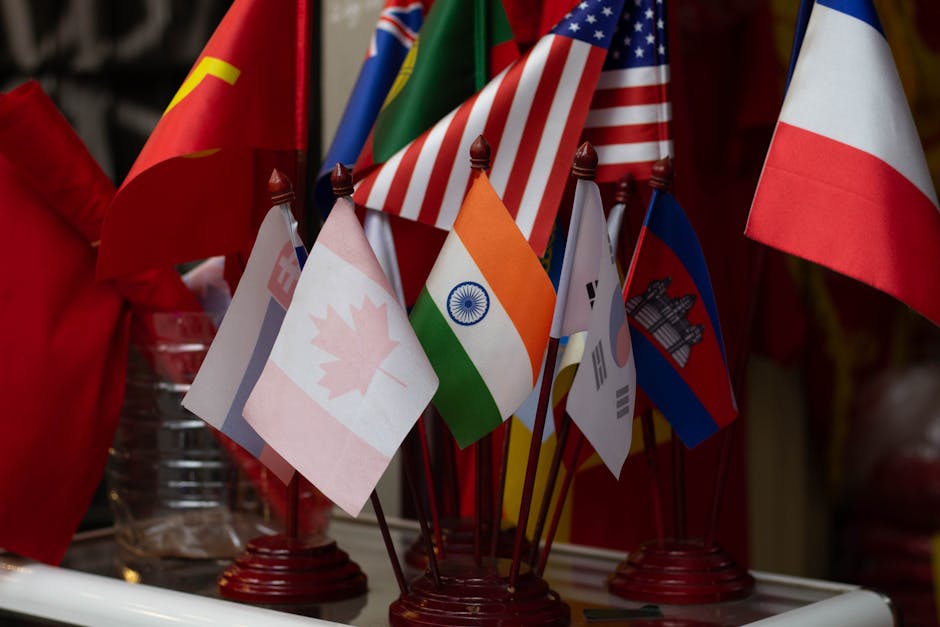
The risks of failing to strengthen ties are significant. If the U.S. continues to neglect South Asia, it could lead to a destabilization of the region and possibly embolden movements that threaten regional stability. Countries like Pakistan, with its close ties to China, could exploit any perceived weakness in U.S. diplomacy to further its own agenda. The mainstream media often glosses over this nuance, focusing instead on the immediate optics of diplomatic visits, but the implications of a disengaged U.S. in South Asia could reverberate for decades.
On the flip side, the U.S. has its own domestic concerns weighing on its foreign policy decisions. In an era of increasing polarization, the focus on South Asia might not resonate with all factions of the American political landscape. Yet, failing to recognize the critical importance of this region can lead to a strategic miscalculation that might come back to bite the U.S. hard.
The path ahead will undoubtedly be fraught with challenges. However, if Rubio’s trip manages to lay down a framework for stronger ties with South Asia, it could represent a pivotal moment for U.S. foreign policy in the region.
As this diplomatic dance unfolds, one question looms large: will the U.S. treat South Asia as a priority, or will it merely be another stop on the geopolitical tour bus, forgotten the moment the next crisis arises? The answer will shape the future of not just the U.S.-India relationship, but the balance of power in an increasingly contested global landscape.
That tension around Must Fix is not going away.
Source: Google — South Asia