
The surge in hospitality jobs as the U.S. gears up for the World Cup is a glaring reflection of the strange dynamics of our current business landscape. Are we really ready to celebrate this “boom,” or is it merely a temporary uptick before a bigger economic crash?
According to the BBC, the U.S. has seen three consecutive months where job figures have outperformed expectations, particularly within the hospitality sector. This comes as the nation prepares for the much-anticipated World Cup, boosting not only enthusiasm but also employment in a field that was notoriously hard-hit during the pandemic.
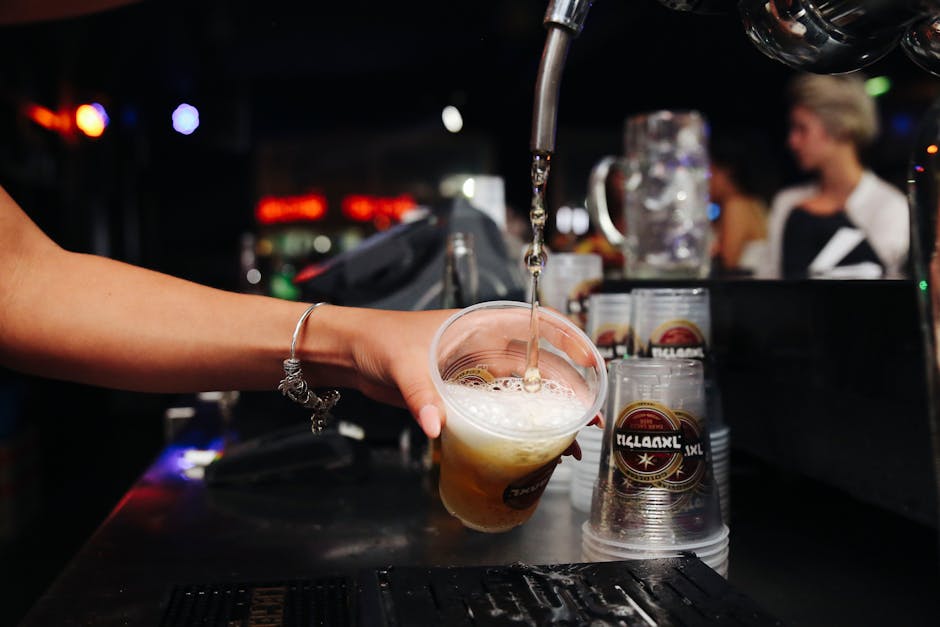
The Business of Boom: Jobs and the World Cup
This growth in hospitality jobs is significant not just for the individuals returning to work, but also for the entire U.S. economy. For the past several years, the business environment has been painted with uncertainty, with inflation and the fear of recession looming. However, the World Cup is acting as an economic catalyst, creating a temporary oasis amid financial instability.
The hospitality sector, which includes restaurants, hotels, and event venues, is projected to thrive during this global tournament. But the question remains: will this job growth be sustainable? With many businesses struggling to retain staff even during peak times, the real test will come after the cheers die down, and the crowds disperse.

The Stakes: Who Wins and Who Loses in the Business Landscape?
The current momentum in job growth might give the illusion that the economy is back on track, but let’s not kid ourselves. This is a classic case of “event-driven” economic activity. The businesses that benefit will be those directly involved with the World Cup, such as hotels and restaurants. However, smaller, independent establishments may still feel the pinch, unable to compete with the spotlight on larger corporations.
Moreover, there’s a danger that this job boom is masking deeper, underlying issues. While the hospitality sector shines, other parts of the economy may still be struggling. If the Federal Reserve continues its policy of interest rate hikes, the costs of borrowing could undermine any temporarily inflated gains in employment.

Let’s not forget the workforce itself. Many hospitality jobs are low-wage positions with limited benefits. What happens when the World Cup concludes and these jobs vanish? Employees may find themselves back in the job market, battling the same economic hurdles they just faced.
Critics will argue that job growth is a positive sign, and it is — to an extent. However, celebrating this as a rallying cry for a robust economy is a misleading narrative that conveniently overlooks potential fallout.
The business landscape is changing, but for better or worse? As we toast to a temporary increase in hospitality jobs, let’s also brace ourselves for the challenges that loom on the horizon.
In an era dominated by fleeting moments of economic euphoria, the challenge will be to create a sustainable business environment that benefits everyone, rather than just capitalizing on a global event. As we stand at the crossroads of a potential recovery, will we learn from past mistakes or repeat them? The answer may define our economic future long after the final whistle of the World Cup has blown.
Source: BBC Business