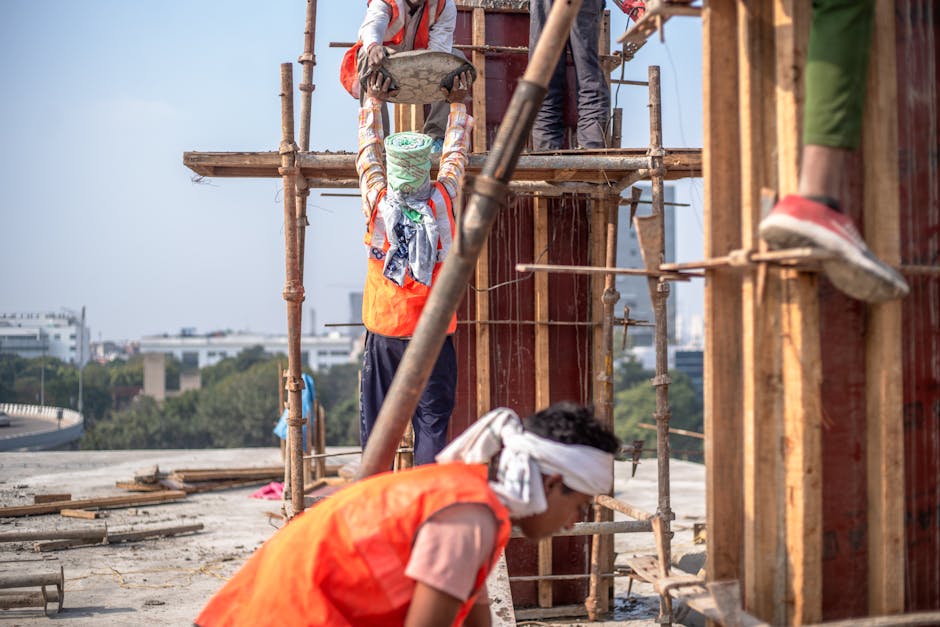
Eb-2 visa frames the debate here: The EB-2 immigrant visa category for India is out of reach until September 30, leaving thousands in limbo. This situation is not just a bureaucratic hiccup; it highlights an unsettling truth about the U.S. immigration system’s treatment of talent from South Asia.
According to Fragomen, the EB-2 visa category has officially reached its annual limit for the fiscal year 2026, rendering it unavailable for the rest of the period. As a result, Indian nationals, who make up a significant portion of applicants, are now forced to wait, effectively stalling their American dreams.

The Context of Immigration Limitation in South Asia
This issue is a culmination of years of increasing demand for skilled workers in the U.S. From engineers to tech specialists, South Asia has supplied a formidable talent pool. Unfortunately, U.S. immigration policies have not kept pace with this influx. With the annual cap on EB-2 visas consistently hit earlier in the fiscal year, the system is clearly broken. The U.S. government has failed to adjust its quotas to reflect the growing contribution of South Asian professionals to the economy.
What we’re witnessing is not just a bureaucratic backlog; it’s a neglect of skilled individuals who have much to offer. The current landscape shows that while tech companies scramble for talent, the best and brightest from countries like India are stuck in a visa purgatory. The ramifications are profound. Not only do these delays affect individuals and families, but they also hinder the broader U.S. economy, which relies heavily on the innovation that these immigrants bring.
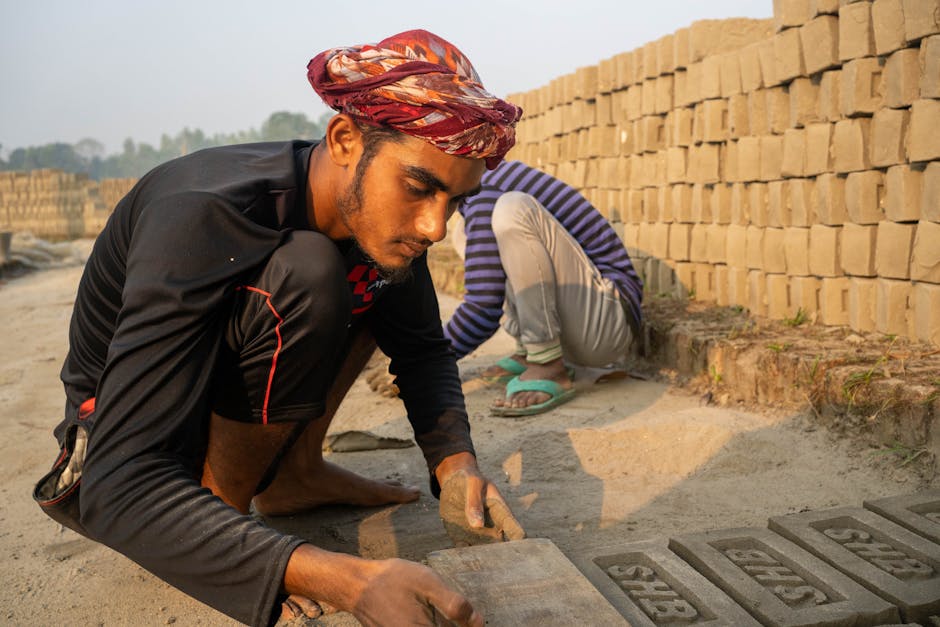
Who Loses in the EB-2 Standstill?
The losers in this scenario are clear: qualified professionals and the American economy. Talented individuals who could contribute to vital sectors like technology and healthcare are being sidelined. Meanwhile, companies that depend on this talent face potential setbacks, unable to hire the skilled labor necessary for growth.
Let’s not sugarcoat it—this is a blatant failure on the part of policymakers. As they wring their hands over immigration reform, the reality is that they are stifling opportunity and innovation by letting bureaucratic rules dictate the future of skilled labor. They ignore the fact that South Asia produces some of the most talented professionals in the world. This failure could lead to a brain drain, where the best minds seek better opportunities in countries with more favorable immigration policies.

Yes, there will be outcries about the importance of protecting American jobs. However, the argument ignores the fact that these immigrants often fill gaps in the labor market that native workers cannot. Instead of seeing them as threats, we should view them as vital contributors to our economy.
The mainstream narrative often conflates immigration with job competition, but that’s a dangerous oversimplification. The truth is that by closing the gates on the EB-2 visa category, the U.S. is tying its own hands. It’s like a company refusing to hire top talent because they’re afraid of high salaries. In the end, everyone loses.
As more and more skilled workers run out of options and face delays, it’s time for a wake-up call. This situation cannot remain stagnant. Instead of waiting for change to cascade through bureaucracy, it’s time for a proactive approach to immigration reform that acknowledges the vital contributions of South Asian professionals.
The question now is whether the U.S. will adapt before the damage becomes irreversible. Will this be a moment of reckoning, or will we continue to see the best and brightest from South Asia slip through the fingers of a flawed system? Only time will tell, but the urgency is palpable.
Source: Google — South Asia