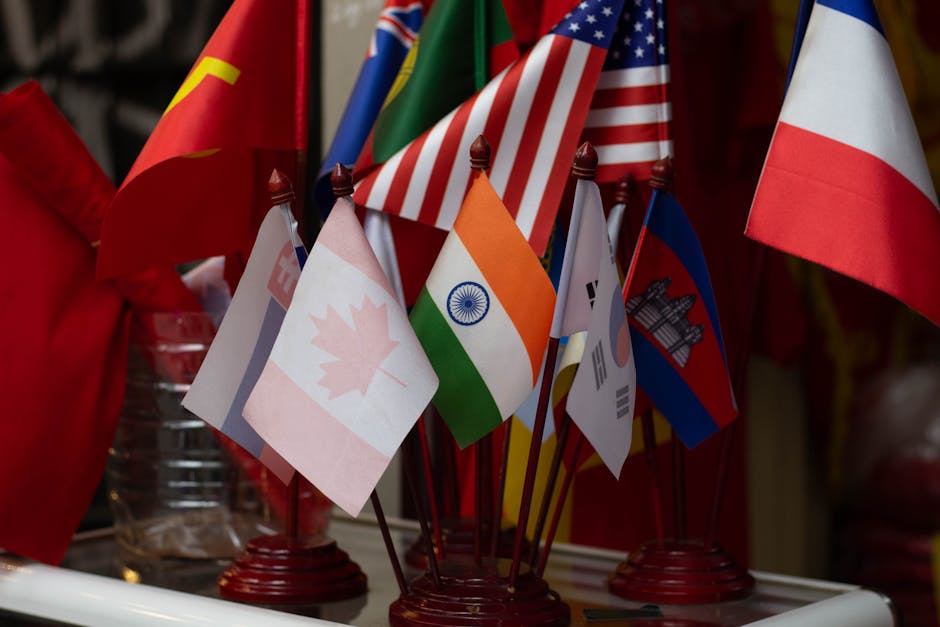
Trust Deficit frames the debate here: In the intricate chess game of international relations, building a trust deficit between Washington and Delhi is as critical as any move on the board. The stakes have never been higher for South Asia as Marco Rubio embarks on his first official trip to India, aiming to bridge gaps that have long festered between these two powerhouses.
According to AP News, Rubio is making waves by addressing the notable distrust that has developed over the years. His visit comes at a time when both nations are navigating a complex web of geopolitical challenges, from China’s assertiveness to cross-border terrorism.
The Importance of Trust in South Asia
This is not just about Rubio wandering around Delhi with a smile and a handshake; it’s about addressing deep-seated issues that have haunted U.S.-India relations. The trust deficit has roots in the past, be it historical differences or more contemporary concerns like trade disputes and differing strategic priorities. Washington is increasingly looking to India as a strategic ally in South Asia to counter China’s growing influence, but India is keenly aware of the need to safeguard its sovereignty and interests.
Rubio’s visit could be a turning point, but let’s be real: one trip isn’t going to repair years of mistrust overnight. The U.S. has often been perceived as a fair-weather friend, showing up when it suits its interests but neglecting the needs of its partners when the tides turn. India, on the other hand, has been cautious, wary of being seen as merely a pawn in Washington’s geopolitical game.
What’s at Stake for South Asia
So, who really stands to gain or lose here? If Rubio manages to foster a solid foundation for cooperation, both nations could benefit immensely. A stronger U.S.-India partnership has implications that ripple through South Asia, potentially stabilizing the region. However, if this trip fails to resonate, it could lead to further alienation and skepticism from India.
Let’s not kid ourselves; the mainstream narrative often glosses over the complexities of these relationships. While political leaders shake hands and issue grand statements, the reality on the ground is more nuanced. India’s hesitance to fully align with Washington stems from a history of colonialism and a desire for an independent foreign policy.
Additionally, with rising populism and nationalism haunting both nations, any misstep by Rubio could reinforce the narrative that the U.S. is not a reliable partner. The trust deficit could widen once again if Indian leaders do not perceive genuine commitment from the U.S. As the geopolitical landscape continues to evolve, the potential for distrust only grows if the underlying issues remain unaddressed.
In conclusion, Rubio’s mission to tackle the trust deficit between Washington and Delhi is a commendable, albeit daunting, task. South Asia stands at a crossroads, with the potential for a more cooperative future hanging in the balance. The question remains: will this be the moment that changes the trajectory of U.S.-India relations, or just another footnote in a long saga of diplomatic missteps?
Source: Google — South Asia