In a world where geopolitical tensions can escalate in a heartbeat, President Trump’s recent warning to Taiwan to refrain from declaring independence serves as a reminder of the intricate dance between the U.S., China, and Taiwan. According to BBC News, this statement came just hours after a summit between Trump and Chinese President Xi Jinping, where the two leaders discussed the fraught relationship over the self-governing island.
This moment is pivotal, revealing the delicate balance the U.S. must maintain in its foreign policy. Taiwan has long been a flashpoint in U.S.-China relations, with Beijing viewing any move toward independence as a direct challenge to its sovereignty. Trump’s call for both sides to “cool down” reflects a broader strategy to manage relations in a way that minimizes conflict while also addressing the longstanding U.S. commitment to support Taiwan’s defense capabilities.
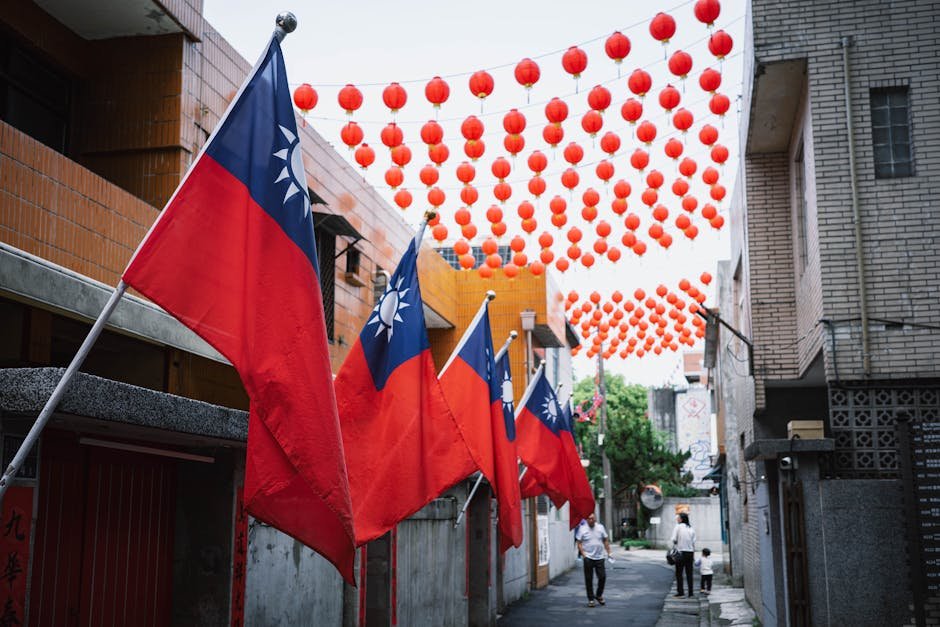
The background to this situation is steeped in historical complexity. Taiwan’s status has been a contentious issue since the end of the Chinese Civil War in 1949, when the defeated Nationalists retreated to the island. The U.S. has maintained a policy of “strategic ambiguity,” supporting Taiwan’s autonomy while not explicitly endorsing its independence. However, recent years have seen a marked increase in Chinese military maneuvers around Taiwan, leading to heightened concerns among Taiwanese citizens and regional allies about the potential for conflict.
The implications of Trump’s warning are multifaceted. On one hand, it demonstrates the U.S. administration’s intention to act as a mediator in the tensions between Taiwan and China, potentially aiming to avoid a military confrontation that could have devastating consequences for all parties involved. On the other hand, it also signals to Beijing that the U.S. remains committed to Taiwan’s security and autonomy, albeit in a restrained manner.
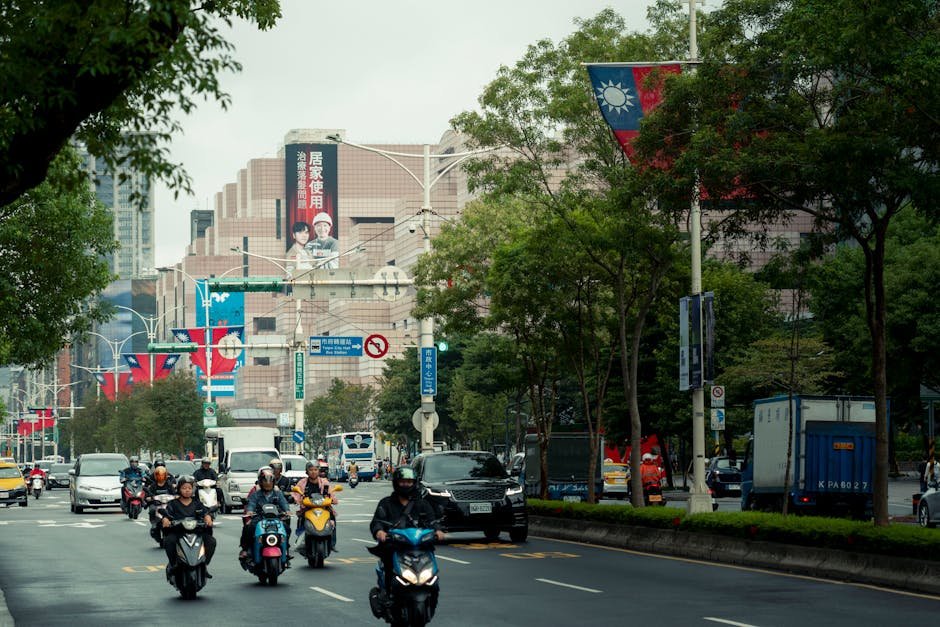
From a domestic perspective, this situation presents a challenge for Taiwan’s leadership. President Tsai Ing-wen has championed a more assertive stance on Taiwan’s sovereignty, which resonates with a growing sense of Taiwanese identity. However, Trump’s intervention might complicate her administration’s strategy, as it creates pressure to navigate between asserting independence and adhering to Trump’s call for moderation.
Looking ahead, one must consider the potential outcomes of this diplomatic tightrope. If Taiwan decides to take a firmer stand on independence, it could provoke a stronger military response from China, leading to increased tensions in the region. Conversely, if Taiwan remains cautious, it may embolden Beijing’s aggressive posturing, potentially leading to further encroachments on Taiwan’s autonomy.
The question now is whether the U.S. can effectively mediate this complex relationship and what role it will play in shaping the future of Taiwan. As the world watches, the stakes are high—not just for Taiwan and China, but for global stability in an increasingly multipolar world. Will this warning lead to a de-escalation of tensions, or is it merely a prelude to a more intense struggle for influence in the Asia-Pacific region?
Source: Source