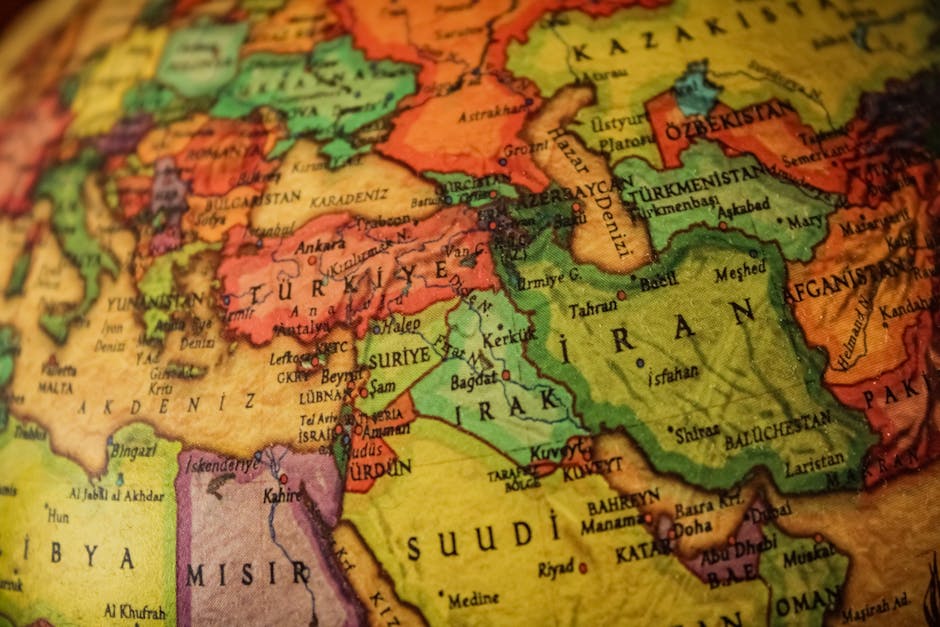
Trump Deal frames the debate here: The deal Trump is reportedly close to signing could either stabilize or destabilize the Middle East — but will it truly deliver peace, or is it just another round of political theater? According to Axios, the former president is on the verge of finalizing a significant agreement with Iran, one that hinges on nuclear limitations and economic incentives.
The Current Landscape of the Middle East
This development comes at a time when tensions in the Middle East are higher than ever. The Iranian regime has continued its nuclear ambitions, defying international scrutiny while regional powers are reeling from years of proxy wars and political upheaval. With Trump’s impulsive approach to foreign policy, this deal could swing the pendulum of power in ways we are yet to fully comprehend. While the specifics of the agreement remain somewhat murky, it’s clear that both sides believe there is something to gain — or avoid losing.
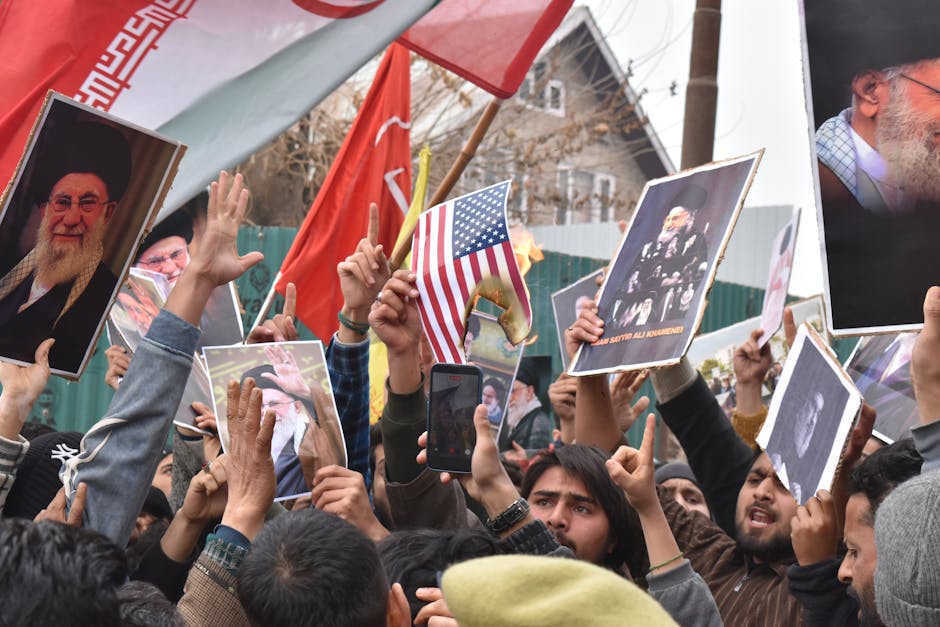
In the context of a broader diplomatic landscape, the stakes are monumental. The U.S. wants to curb Iran’s influence in the region, while Iran is looking for a financial lifeline amid crippling sanctions. Also, as the Biden administration faces challenges in its own Middle East policy, Trump’s move could be a calculated effort to undermine his successor while potentially pulling some allies back into his orbit.
Analyzing the Implications of the Iran Deal
So, who really stands to gain from this Iran deal? While Trump may tout this as a diplomatic victory, the reality is more complicated. If the agreement provides economic relief to Iran, it could empower the regime and further its destabilizing activities in the region. This could lead to increased funding for militant groups that challenge U.S. allies and threaten global oil supply routes.
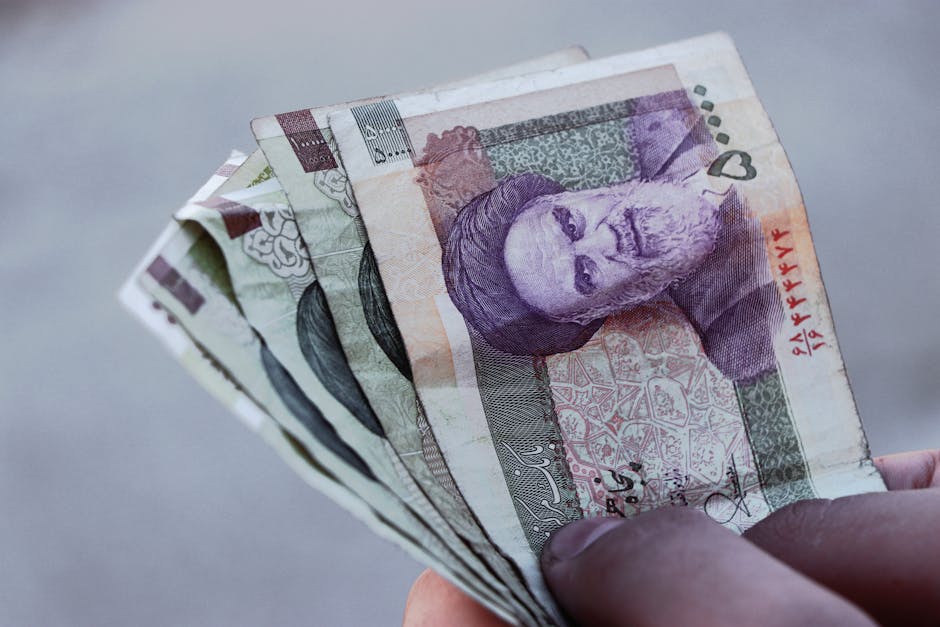
On the flip side, if the deal is perceived as insufficient by Iran or if hardliners within the country reject it outright, we might see a return to hostilities that has plagued U.S.-Iran relations for decades. The mainstream narrative often romanticizes diplomacy as a catch-all solution, ignoring the deep-rooted mistrust and animosity that characterize these negotiations.
Furthermore, this deal could complicate relations with key players in the Middle East such as Israel and Saudi Arabia. Both have historically viewed Iran with suspicion and have their own vested interests in limiting Iranian power. If they perceive the deal as a betrayal, it could lead to a unified front against U.S. influence in the region.
Ultimately, this agreement’s success hinges on whether it can create a genuine dialogue, or if it merely serves as a temporary Band-Aid to mask deeper issues. The risks are palpable, and the stakes couldn’t be higher.
As we watch this precarious game unfold, one has to wonder: Will this deal be a pathway to stability in the Middle East, or yet another chapter in the saga of failed diplomacy? The answers may not come easily, but one thing is for sure — the repercussions of Trump’s actions will echo through the region for years to come.
That tension around Trump trumps is not going away.
Observers say Trump trumps will shape the debate for months.
That tension around Trump Deal is not going away.
Source: Google — Middle East