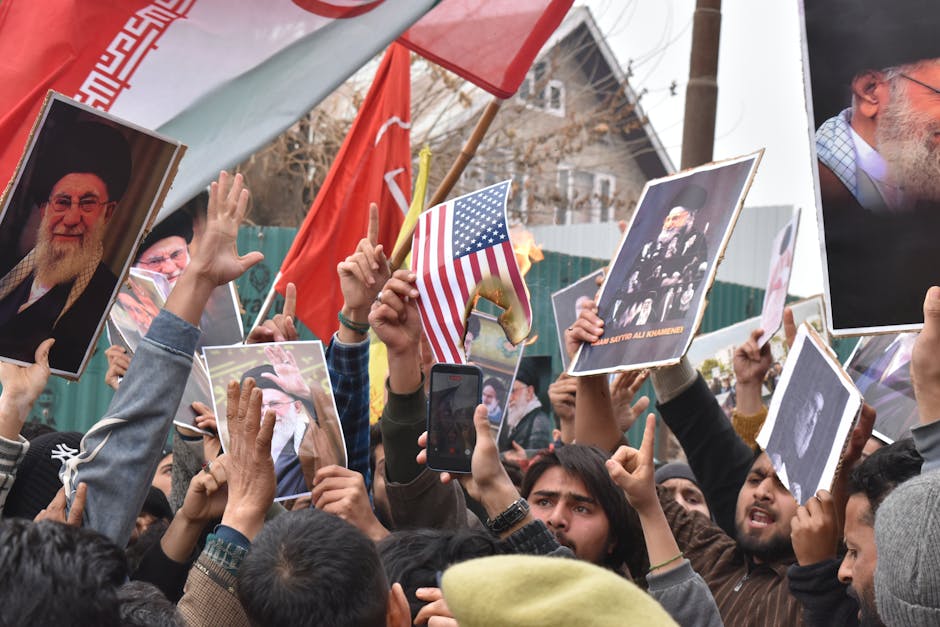
Middle East frames the debate here: Donald Trump’s recent remarks about the Iran deal make it painfully clear: the U.S. is still fumbling in the dark when it comes to the Middle East. With his declaration that America is “not satisfied” with the current state of negotiations, it begs the question: when will this cycle of discontent end, and at what cost?
According to the BBC, Trump expressed his discontent during a public appearance, insisting that the U.S. has yet to achieve a satisfactory agreement with Iran. This statement comes on the heels of a broader discussion about America’s foreign policy challenges in the Middle East, highlighting the ongoing turmoil and shifting alliances in the region.
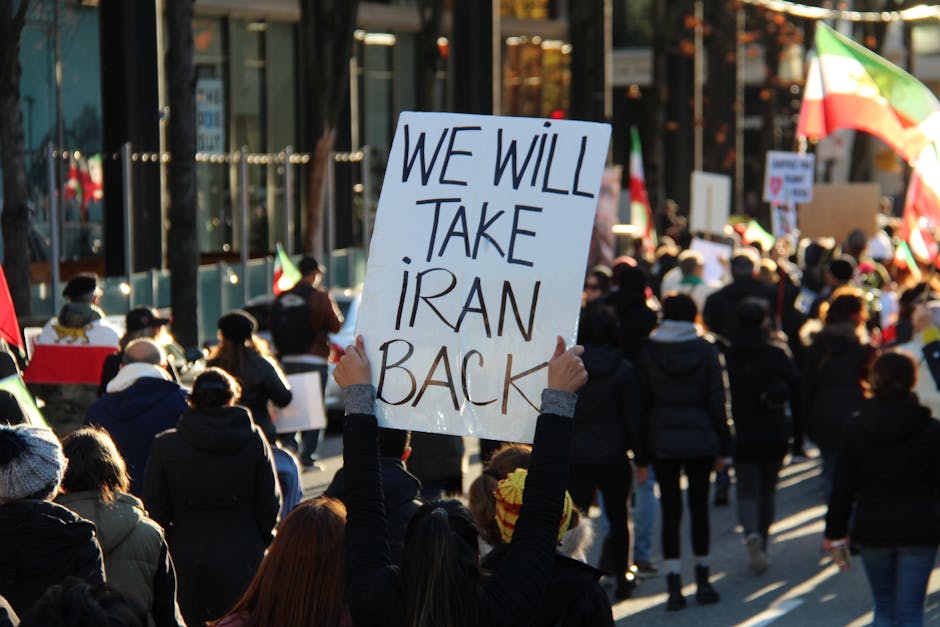
The Middle East Landscape
This situation isn’t just about one deal. The Middle East has been a volatile chessboard for decades, with the Iran deal serving as a linchpin for broader U.S. interests. The 2015 agreement, designed to curb Iran’s nuclear program, drew fierce criticism from various factions, including hardliners in the U.S. and allies like Israel. Trump’s administration has sought to rewrite or abandon a deal that many see as a compromise between necessity and idealism. The withdrawal from the deal in 2018 under Trump’s orders did more than just unravel years of negotiations; it set the stage for renewed hostilities and escalated tensions in a region already plagued by conflict.
Historical grievances, territorial disputes, and sectarian divides fuel the complexity of U.S. involvement in the Middle East. In the current climate, the stakes are alarmingly high. The U.S. is balancing its commitments to traditional allies like Saudi Arabia with its need to manage relations with a rising China, all while maintaining pressure on Iran. As various players vie for influence, the question remains: can America find a satisfactory path forward, or are we merely postponing the inevitable confrontation?
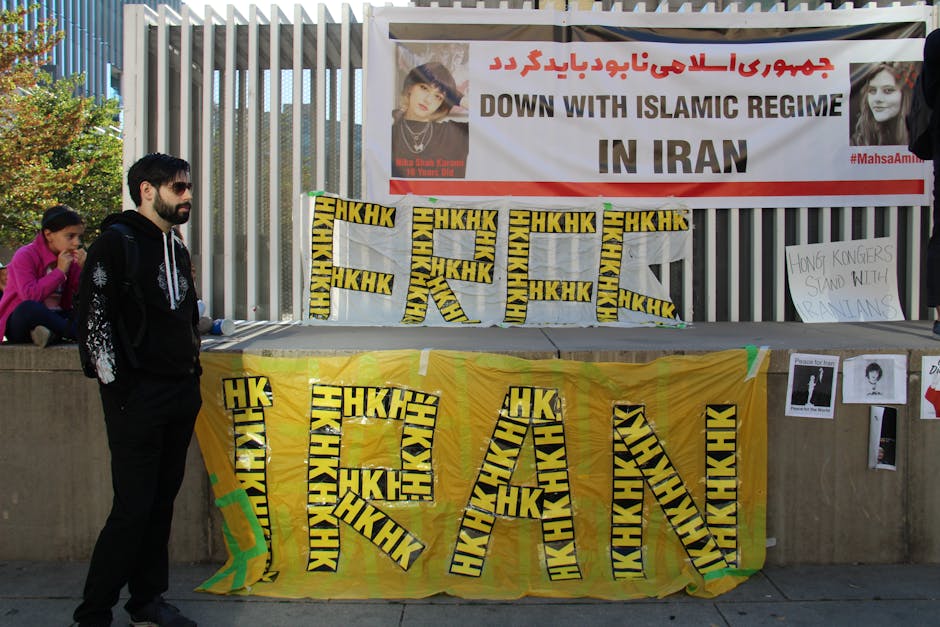
Who Wins, Who Loses
If the U.S. continues to reject the current Iran deal, the likely winners will be those hardliners within Iran who view any negotiation as a sign of weakness. This could solidify Iran’s position, potentially leading to more aggressive postures in the region. Conversely, the U.S. risks alienating its allies who might prefer stability over the ongoing saga of negotiations and diplomatic squabbles.
The mainstream narrative often ignores the deeper implications of America’s dissatisfaction with the Iran deal. Critics might argue that sticking to a flawed yet functional agreement is a better alternative than pursuing a grander, unattainable ideal. The risk of falling into a cycle of sanctions and retaliatory actions could ignite further conflict, and with it, a humanitarian crisis that even the most hardened policymakers would struggle to justify.
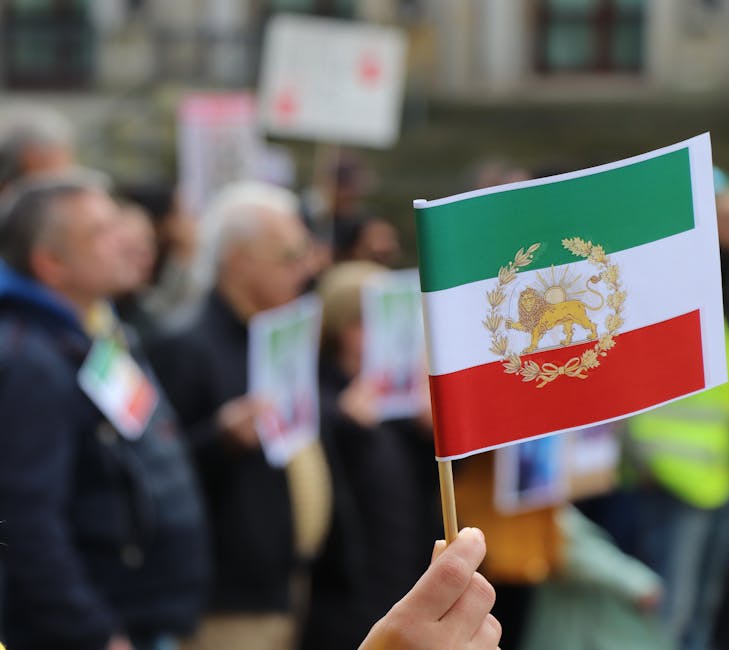
Moreover, the political fallout at home cannot be discounted. Trump’s rhetoric plays to a base that remains skeptical of diplomacy, preferring a more hawkish stance that could lead to military entanglements. Yet, in the geopolitical arena of the Middle East, this approach is fraught with peril.
As a result, the current dissatisfaction may not only jeopardize U.S. interests abroad but could also have significant repercussions on domestic politics. A potential re-election bid for Trump hinges on appeasing a myriad of factions within the Republican Party, further complicating any diplomatic overtures.
The bottom line is clear: the U.S. is deeply entrenched in a quagmire of its own making regarding the Middle East. The Iran deal, while imperfect, is not merely a bargaining chip; it is a reflection of how far we’ve come—and how far we still have to go.
What happens next? Will the U.S. opt for a more pragmatic approach, or will we continue to chase shadows in the hope of an elusive perfect deal? Only time will tell, but one thing is certain: the Middle East will remain a hotbed of conflict and complexity, with America’s actions—or inactions—playing a pivotal role in shaping its future.
Source: Google — Middle East