What truly lies beneath the surface of an “uneasy calm”? For too long, the Strait of Hormuz has been a geopolitical pressure cooker, a narrow chokepoint where global energy security teeters on the brink. The latest reports from its Iranian shores offer not comfort, but a stark reminder of the volatile tensions that constantly simmer there.
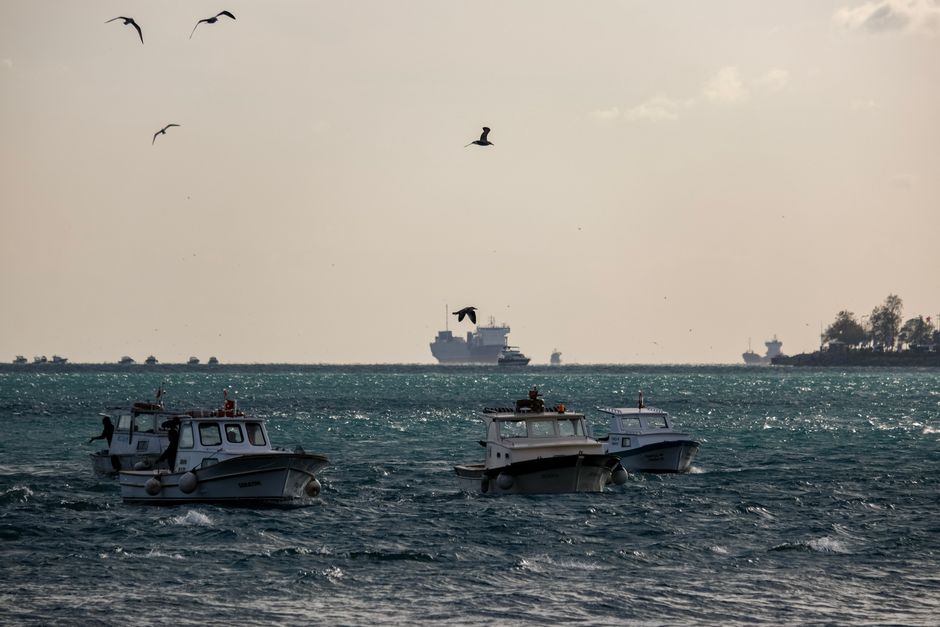
According to BBC Middle East, their journalists recently became the first from a UK broadcaster to visit Bandar Abbas, Iran, a pivotal city on the Strait. Their observations revealed a landscape of both geopolitical friction and everyday life: seized ships sat alongside active shark fishing operations.
The Volatile Dance on the Strait
The Strait of Hormuz is more than just a shipping lane; it’s the artery of the global oil trade. Roughly a fifth of the world’s oil supply passes through these waters daily. This makes any disruption on its surface a matter of international concern, directly impacting energy prices and economic stability worldwide. Iran, by virtue of its geography, holds immense leverage over this strategic waterway. Its Revolutionary Guard Corps frequently patrols the area, asserting control and, at times, seizing vessels it accuses of various infringements.
This recent BBC access is not merely a journalistic coup; it’s a telling glimpse into a carefully curated Iranian narrative. For years, the region has seen heightened tensions, including drone incidents and tit-for-tat tanker seizures involving nations like the UK. The presence of international journalists, even under strict supervision, can serve multiple purposes. It might signal a desire for de-escalation, or perhaps, a confident display of sovereignty over disputed waters. However, the discovery of “seized ships” confirms that underlying grievances and active conflicts persist, even as the cameras roll.
Beyond the Uneasy Calm: Stakes for the Week Ahead
The “uneasy calm” described by the BBC is a dangerous illusion. It’s a fragile truce, sustained by mutual deterrence rather than genuine trust. The coexistence of seized vessels – symbols of state power and international law violations – with ordinary fishermen, struggling for their daily catch, paints a grim picture. It underscores the profound human cost often overlooked in high-stakes geopolitical dramas. While headlines focus on the grand maneuvers, it’s the local populations who live with the constant threat of escalation, the ripple effects of sanctions, and the precarious balance of power.
This visit, allowing a UK outlet access, feels like a calculated move by Tehran. It’s a message that they can open and close the door to scrutiny on their terms. What we should read into this is not a genuine olive branch, but a strategic pause. For global markets and diplomats watching the Middle East, the coming week promises little relief. Oil prices, always sensitive to any flicker of instability in the Gulf, will remain volatile. Any sudden declaration or military exercise in the Strait could send futures soaring on Monday morning.
The reality is that Iran continues to project its power, using the Strait as a bargaining chip. The international community, particularly nations reliant on Gulf oil, remains largely reactive. Sanctions and diplomatic pressures have, at best, maintained a standoff. They haven’t resolved the fundamental disagreements or dismantled Iran’s strategic advantage in the waterway. This visit, therefore, reveals less about peace and more about Iran’s enduring ability to dictate the terms of engagement in its own backyard. It’s a stark reminder that the region’s stability hangs by a thread, and next week, like every week, could see that thread snap.
The world holds its breath, watching the Strait of Hormuz not for signs of lasting peace, but for the next inevitable tremor. Until global powers address the root causes of this regional instability, the “uneasy calm” will remain a thin veneer over a simmering volcano.
Source: BBC Middle East