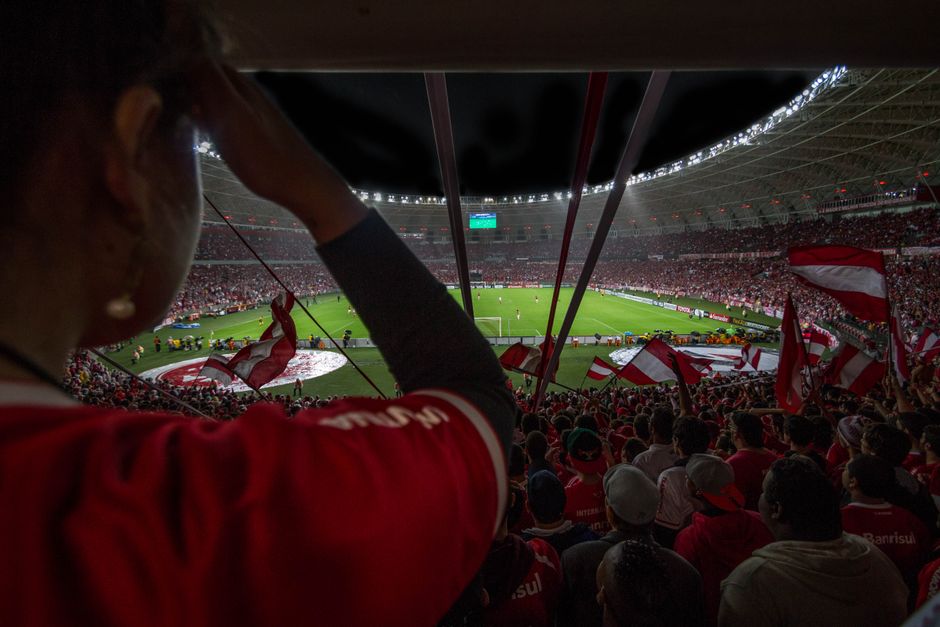
In the final hours before the 2026 FIFA World Cup Final, a digital drumbeat intensifies, marking a **Countdown** that is far more than just a ticking clock.
The broadcast, available on ABCNews.com, isn’t an interview in the conventional sense, but rather a carefully curated spectacle, a pre-game ritual designed to amplify global anticipation. It sets the stage for a historic clash between Spain and Argentina at New Jersey’s MetLife Stadium, a rematch six decades in the making. This isn’t just about football; it’s about national pride, economic impact, and the sheer logistical mastery required to host the world’s most watched sporting event. The collective “leadership” behind this global phenomenon, from FIFA to the host cities, has chosen to communicate through pure, unadulterated hype.
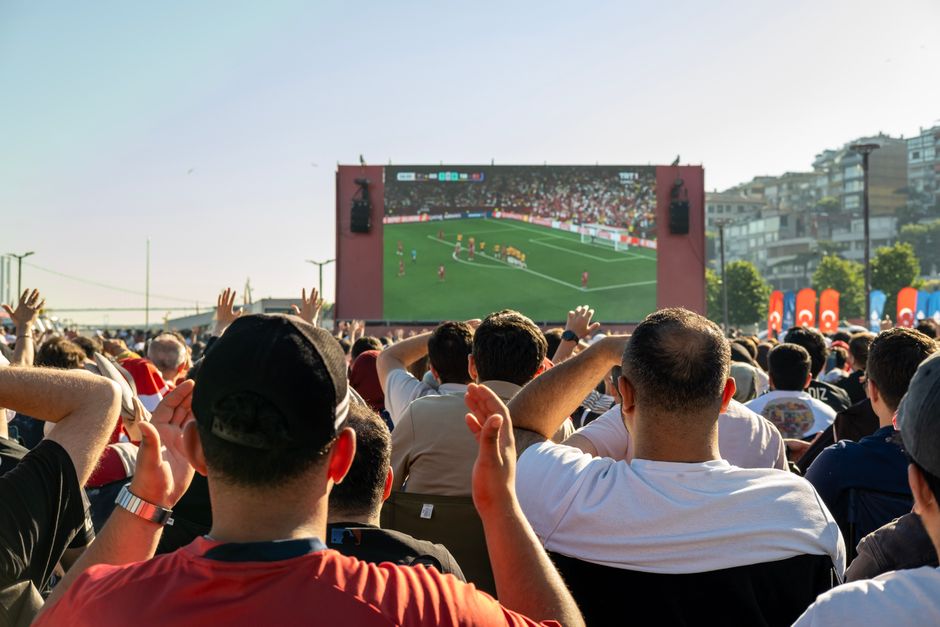
This strategy, while effective, positions the countdown itself as the central “statement,” leaving little room for the kind of nuanced discourse we typically dissect here. It’s a bold move, almost challenging observers to find deeper meaning in the inevitable.
What landed
What landed most effectively in this digital missive was its sheer efficiency in generating excitement. The concise declaration, “In less than 24 hours, New Jersey’s MetLife Stadium will host Spain and Argentina for the 2026 FIFA World Cup Final,” cuts straight to the chase, delivering the essential facts with an undeniable punch. It’s a testament to the power of succinct communication when the event itself is the star.
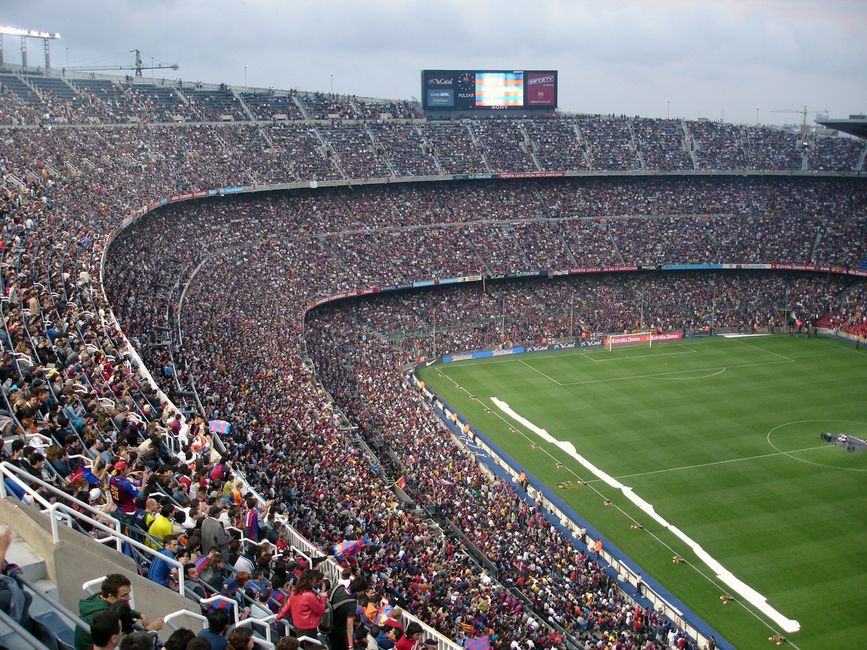
The inclusion of the historical note, “It’s the first match between the two countries in 60 years,” provides a powerful undercurrent of legacy and rivalry. This single detail elevates the upcoming game from a mere contest to a momentous occasion, tapping into decades of sporting narrative without needing a single talking head to explain it. It’s a smart way to invoke the past while driving future viewership. We should acknowledge the skill in crafting such potent, minimal messaging.
The framing of the countdown itself as the primary message also serves to unify a diverse global audience. Regardless of language or political affiliation, the simple concept of an impending, monumental event is universally understood and felt. It’s an encouraging display of how shared anticipation can transcend other divides, reminding us of the unique power of sport to bring people together, even if only for 90 minutes.
What doesn’t add up
Yet, for all its effectiveness in stoking excitement, this “Countdown” communication strategy leaves us with a lingering sense of unaddressed questions, particularly when viewed through the lens of a world-leader’s public statement. The deliberate absence of any substantive commentary from key figures — be it FIFA leadership, national team coaches, or even host city officials — is striking. Instead of insight into the preparation, the challenges, or the broader impact, we are given pure spectacle.
This approach creates a subtle, yet significant, contradiction: the immense complexity and political maneuvering involved in staging a World Cup are rendered invisible, replaced by a seamless narrative of inevitable triumph. One might be skeptical of a communication strategy that prioritizes uncritical anticipation over any form of transparency or reflection. It suggests that, in the realm of global sporting events, the message is simply “watch,” rather than “understand.”
Where are the words from the leaders who negotiated the hosting rights? Where is the insight into the economic impact on New Jersey, or the legacy plans for the stadium? This kind of high-stakes, high-visibility event usually comes with an accompanying flurry of interviews, pledges, and political statements. Here, the silence is deafening, replaced by the universal language of a ticking clock. It’s a wry commentary on how often the theatre of an event can overshadow any opportunity for genuine discourse.
Monday morning, the world will wake up to a new World Cup champion, and the echoes of celebration (or commiseration) will ring across continents. But what lingers beyond the final whistle isn’t just the memory of a game, but the implicit statement made by the event’s communication itself: that sometimes, the biggest stories are told not through words, but through the irresistible, unyielding march of time towards a predetermined spectacle.
Source: OnTheRecord