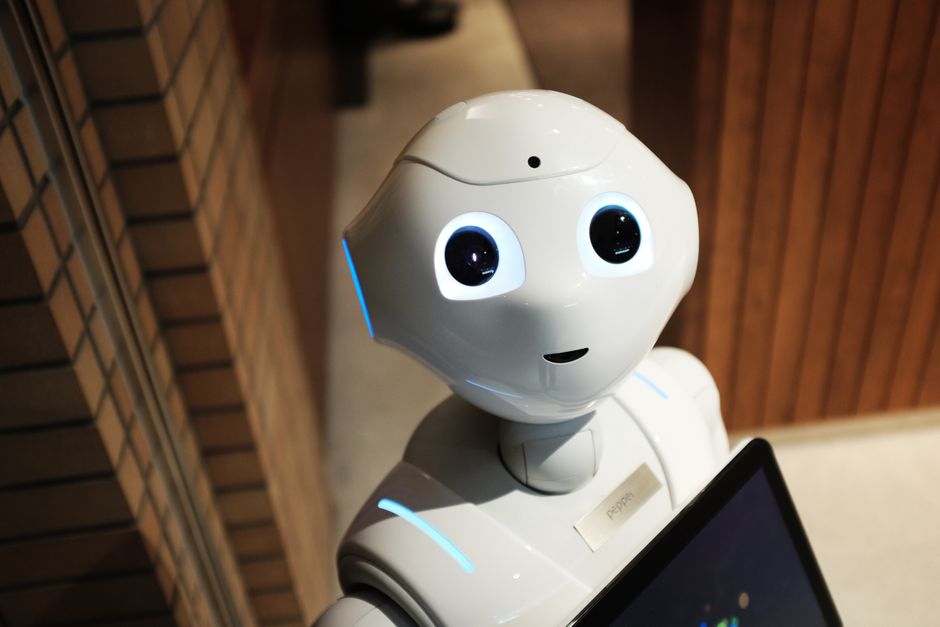
Another day, another digital brick laid in the foundation of our increasingly automated world. While the headlines scream about chatbots and deepfakes, the real story of **artificial intelligence** often unfolds in quieter, more insidious ways, like the latest news from Artificial Intelligence Technology Solutions (AITX).
According to Stock Titan, AITX has secured an order for four units of its RIO 360 autonomous response robot. This isn’t a blockbuster deal, but it’s a significant whisper in the growing chorus of AI integration into everyday infrastructure.
The Quiet Creep of Artificial Intelligence
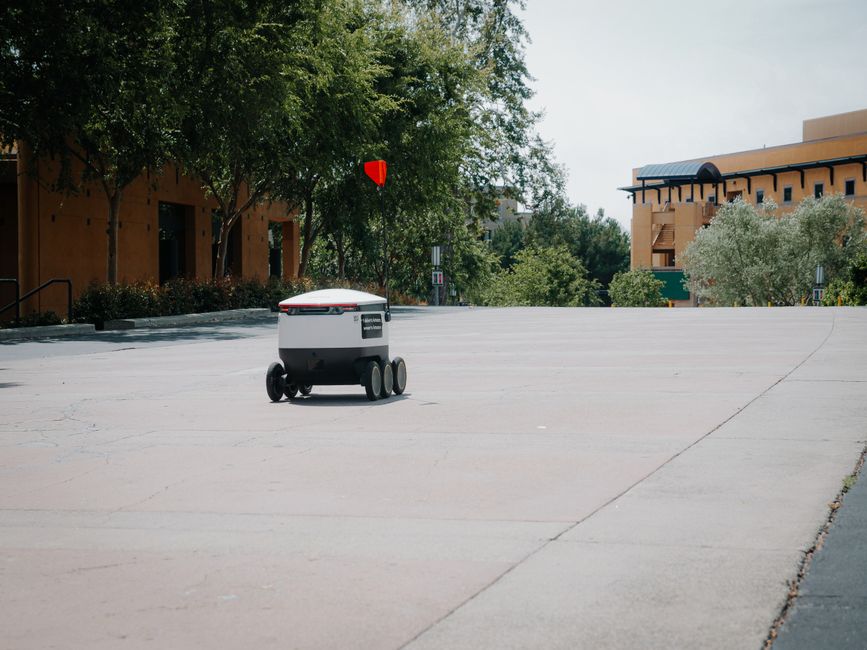
So, what exactly are we talking about here? AITX specializes in AI-powered security and surveillance solutions, and the RIO 360 is one of their autonomous offerings. Think of it as a roving, smart sentinel designed to monitor, detect, and potentially deter incidents without a human hand on the joystick. This isn’t science fiction anymore; it’s a direct response to a very real demand for efficiency and perceived control in our physical spaces.
The context here is crucial. Businesses, from corporate campuses to retail outlets, are constantly seeking ways to cut costs while bolstering security. Traditional human guards are expensive, prone to error, and limited by fatigue. Enter the AI solution: always vigilant, never tires, and theoretically, always objective. This four-unit order, while small, signals a broader trend of companies quietly adopting these autonomous systems, layering them into their existing operations. It represents a subtle but profound shift in how we conceive of safety and oversight, pushing human interaction further to the margins. The market for such solutions is expanding rapidly, driven by the dual promises of reduced operational expenditure and enhanced data collection.
Security, Style, and the Human Cost
Now, let’s peel back the shiny veneer of innovation. On the surface, the deployment of more **artificial intelligence** units like the RIO 360 sounds progressive, a sleek new “style” of security management for the modern enterprise. It speaks to a corporate aesthetic that prioritizes high-tech solutions and data-driven decision-making. However, beneath this polished exterior lies a host of uncomfortable truths that the mainstream commentary often misses.
Make no mistake: these autonomous systems are not just about enhancing security; they are fundamentally about replacing human labor. Every RIO 360 unit deployed is a potential human job that vanishes, or at least transforms into something less direct, more supervisory. We’re witnessing the quiet, relentless march of automation reshaping the workforce, starting with roles often deemed “low-skilled” or “repetitive.” This isn’t just a cost-saving measure; it’s a profound redefinition of the human element in public and private spaces. Furthermore, while the promise is enhanced security, the reality is often a trade-off. These units collect vast amounts of data, raising legitimate privacy concerns that are frequently glossed over in the rush to adopt new tech. What happens to that data? Who has access? The answers are rarely as transparent as the cameras on these devices.
Moreover, there’s a distinct “style” of corporate decision-making emerging where the latest tech gadget is adopted almost as a status symbol, a demonstration of being “forward-thinking.” The actual efficacy and ethical implications often take a backseat to the perceived modernity and efficiency. We are buying into a vision of security that is increasingly cold, algorithmic, and detached from human empathy or judgment. Can an AI truly de-escalate a sensitive situation with the nuance of a human? Can it understand context beyond its programming? These are questions that rarely get the airtime they deserve when a company announces an “exciting new order.” The inherent biases in programming, the potential for malfunction, and the erosion of personal freedoms are all part of this package deal, yet they remain largely unaddressed by the cheerleaders of autonomous security.
So, as more RIO 360 units roll out, let’s consider not just the efficiency gains, but the human cost, the invisible data trails, and the slow, steady transformation of our public and private spheres into AI-monitored zones. Are we truly becoming safer, or simply more observed, trading genuine human connection for a new, sleek *style* of surveillance?
Source: Google — Technology & AI