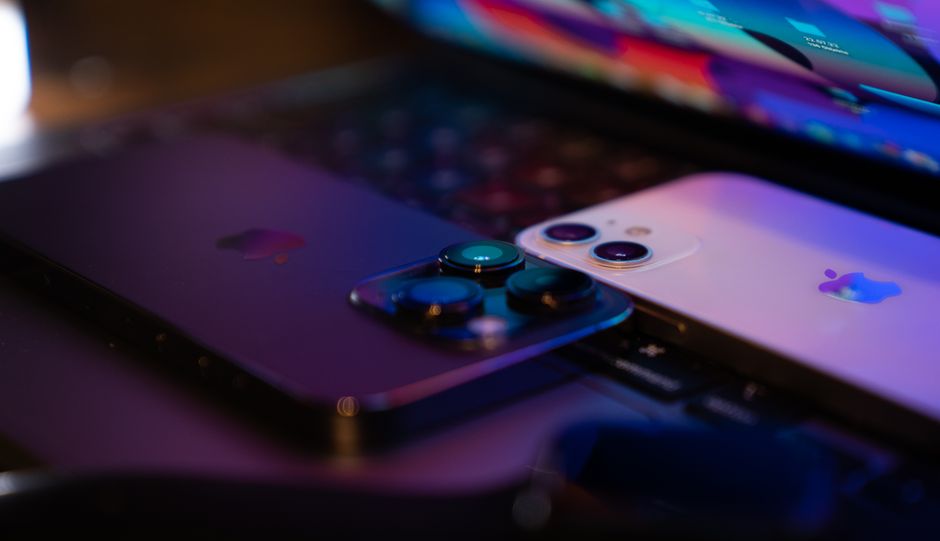
Let’s be brutally honest: the idea of “owning” a piece of technology is rapidly becoming a quaint relic of the past. The latest move from **Apple** underscores this stark reality, cementing a future where you don’t buy your gadgets; you rent them, forever tethered to a corporate umbilical cord.
According to TechCrunch, Apple has officially launched its ‘Upgrade’ device leasing program, an initiative developed in partnership with financial technology giant Klarna. This new program allows users to lease various Apple devices, with prices starting at $17.99 per month for an iPhone, $11.99 for an Apple Watch, $24.99 for a Mac, and $11.99 for an iPad.
The Shifting Sands of Apple Ownership
This isn’t just another payment plan; it’s a profound strategic pivot by Apple, signaling a deeper commitment to the subscription economy. For years, tech giants have eyed the recurring revenue streams that services provide, slowly nudging consumers away from outright ownership. This program is the logical, perhaps inevitable, next step in that evolution. It transforms expensive hardware into an accessible, albeit perpetual, monthly expense. The partnership with Klarna is particularly telling, weaving Apple’s premium brand further into the fabric of “buy now, pay later” culture, which has its own fraught relationship with consumer debt.
The move comes at a time when consumers are increasingly feeling the pinch of inflation and the relentless upgrade cycle. New devices arrive annually, often with incremental improvements, leaving many to wonder if the upfront cost of a top-tier iPhone or Mac is truly justifiable. By offering a lower monthly entry point, Apple broadens its market, making its ecosystem available to those who might otherwise be priced out. This isn’t charity, of course; it’s about expanding the golden handcuffs.
The Illusion of Affordability
On the surface, this looks like a win for consumers. Who wouldn’t want the latest **Apple** device for a seemingly low monthly fee? However, peel back that shiny veneer and you’ll find a far more complex, and frankly, insidious, proposition. This isn’t ownership; it’s an endless lease. You never actually own the hardware. You’re simply paying for access, a perpetual renter in the digital age. This model guarantees Apple a continuous revenue stream, insulating it from the cyclical sales highs and lows. It also ensures customer lock-in; imagine the friction of switching away when you’re deeply embedded in a leasing agreement across multiple devices.
The real winners here are Apple and Klarna. Apple gains predictable, recurring income and further solidifies its ecosystem dominance. Klarna expands its reach, processing more transactions and gaining valuable consumer data. The consumer, on the other hand, risks falling into a financial treadmill, constantly paying but never accumulating equity. While some will argue this offers flexibility, allowing users to always have the latest device without a huge upfront cost, it also potentially encourages an endless cycle of upgrades and payments. The cumulative cost over years could easily dwarf the price of outright purchase, all without the benefit of ever selling or truly owning the asset. This is the financialization of convenience, and it often comes at a premium for the user.
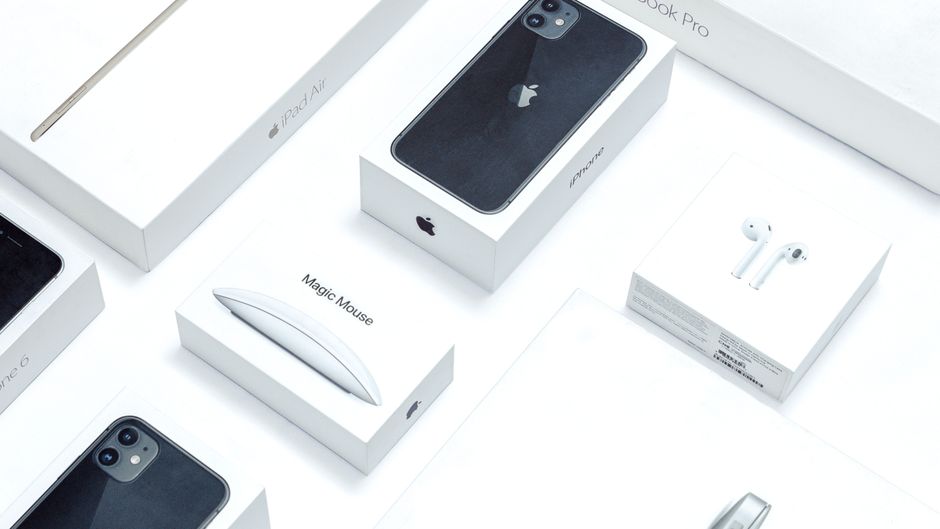
This ‘Upgrade’ program isn’t about making technology more affordable in the long run; it’s about making **Apple** products perpetually profitable. It’s a brilliant business strategy, but one that subtly shifts the financial burden and risk onto the consumer, all while presenting it as a flexible, modern solution. We’re not just buying gadgets anymore; we’re buying into a lifestyle that costs us every single month, forever. The question isn’t whether you can afford the monthly payment, but whether you can afford to never truly own anything.
Source: TechCrunch