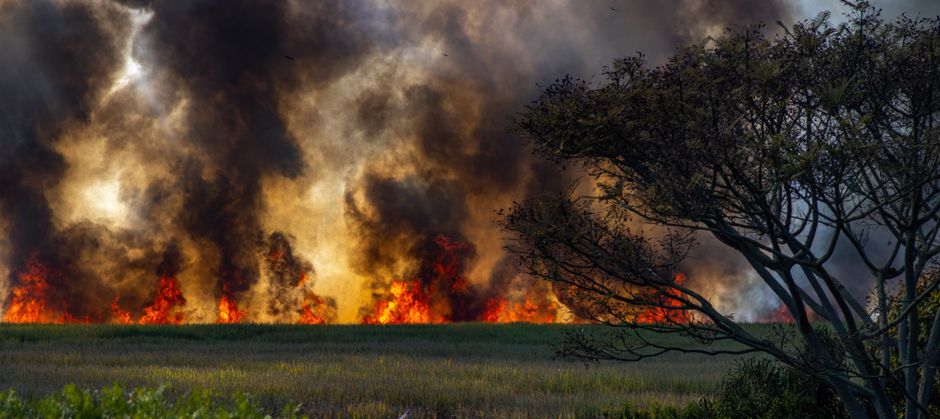
It’s time we stopped talking about “fire season” and started calling it what it is: the new reality. The **critical** conditions fueling the nation’s largest wildfire in southern Utah are not just a challenge for firefighters; they are a glaring, smoke-filled mirror reflecting our collective failure to adapt.
According to NPR Science, crews battling the massive blaze are facing historic weather conditions, with extreme wildfire behavior expected to persist throughout the weekend. This isn’t just bad luck; this is the climate system screaming at us.
The Critical Nexus of Climate and Catastrophe
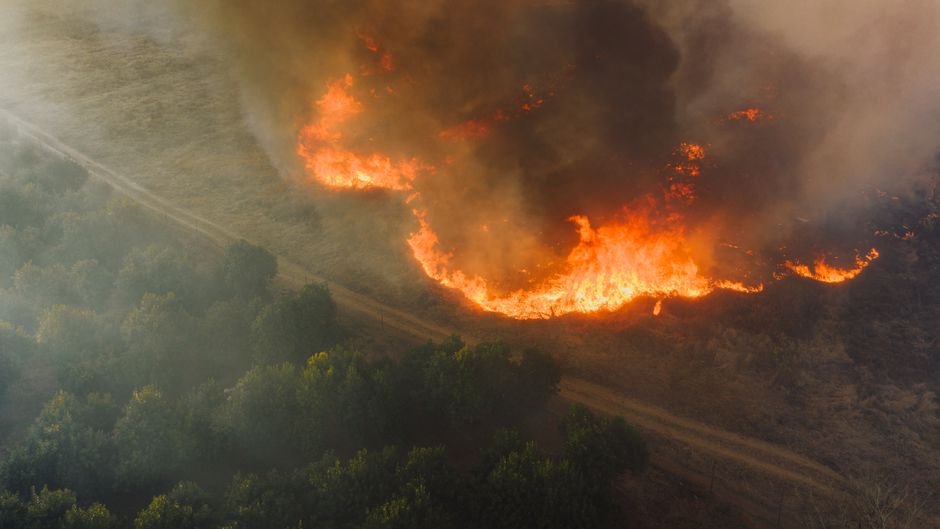
What exactly constitutes “historic weather conditions” for a wildfire? It’s a deadly cocktail of prolonged drought, record-breaking heat, and often, high winds. The science is stark: warmer temperatures evaporate moisture from vegetation, turning forests into tinderboxes. Meanwhile, a shifting climate pattern means less snowfall and earlier melts, leaving less water in the ground when it’s needed most. This isn’t just about a single year’s dry spell; it’s a multi-decade trend of increasing aridity across the American West.
The players here are complex. On one side, you have the dedicated firefighters, heroes truly, putting their lives on the line against an increasingly formidable enemy. On the other, you have the natural environment, pushed past its limits by human-induced climate change. We also have communities built too close to the wildland-urban interface, often without adequate defensible space or evacuation plans. Understanding these **critical** meteorological factors and their broader implications is no longer optional; it’s an urgent imperative. We’re not just fighting fires; we’re fighting decades of accumulated fuel, policy inertia, and scientific denial.
Our Burning Blind Spot
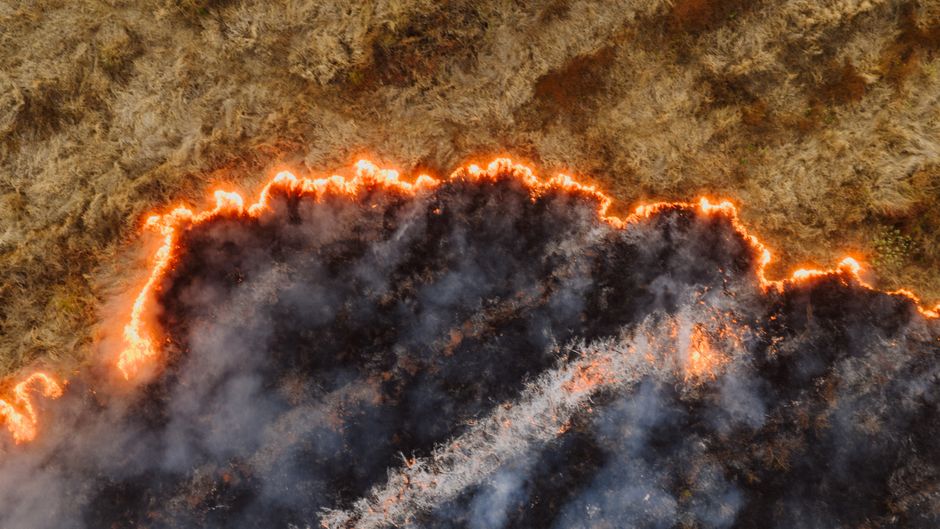
Here’s the inconvenient truth the mainstream narrative often sidesteps: merely suppressing these behemoth blazes, while absolutely necessary in the short term, is a band-aid on a gaping wound. Who wins? The wildfire industrial complex, perhaps, seeing more funding flow into suppression efforts. Who loses? Everyone, from the homeowners watching their lives go up in smoke to the ecosystems forever altered, and ultimately, the taxpayers footing the ever-increasing bill. The real loss is the opportunity cost – money and resources poured into reacting rather than proactively preventing.
The scientific community has been sounding the alarm for years about the need for aggressive land management, controlled burns, and smarter urban planning in fire-prone regions. Yet, governments are failing to address the **critical** need for comprehensive strategies that go beyond just sending in more crews and air tankers. The focus remains largely on immediate response, rather than the systemic issues that create these “historic” conditions in the first place. There’s a political expediency in reacting to disaster that isn’t present in the slow, difficult work of prevention and mitigation. This isn’t just a science problem; it’s a political and societal one. We are collectively ignoring the long-term impacts of **critical** resource allocation, choosing to pay exponentially more later rather than investing strategically now.
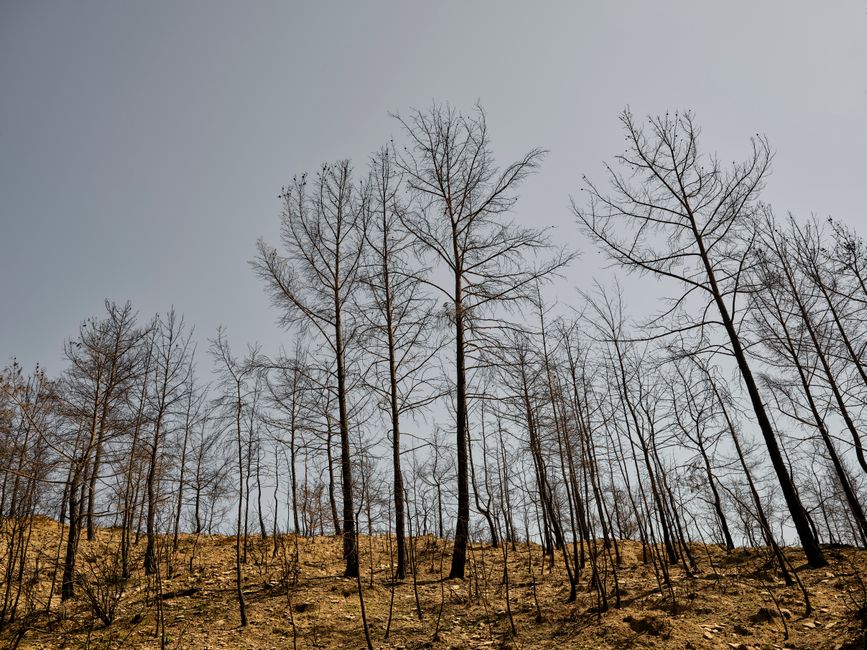
This Utah fire is not an isolated incident; it’s a symptom. It’s a warning, painted in smoke and ash, that our current approach is unsustainable. We are at a **critical** crossroads. Will we continue to react, year after year, to ever-larger infernos, or will we finally confront the underlying causes and invest in a future where “historic weather conditions” don’t automatically spell disaster? The choice, and the consequences, are undeniably ours.
Source: NPR Science