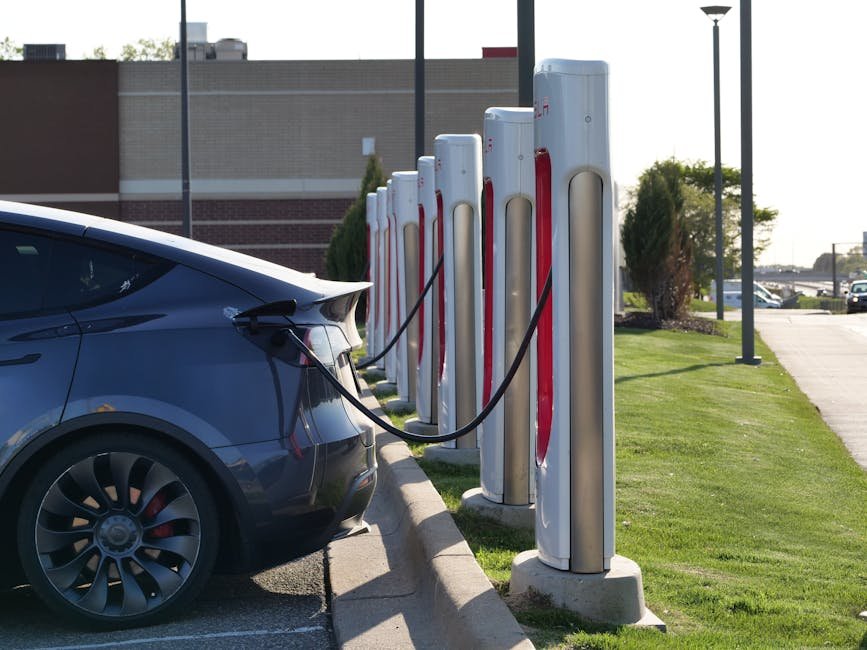
Tesla’s departure from India is akin to a bad breakup; both parties invested time and energy, only to find themselves staring at an empty promise. Was it all just a grand illusion, or did they truly have intentions that fizzled like a soda left open too long?
Why Tesla matters now
According to Teslarati, after years of negotiations and hope, Tesla has officially pulled the plug on its plans to enter the Indian market. The electric vehicle giant’s attempts to set up shop have been marred by regulatory hurdles, lack of clarity in policies, and a massive disconnect between expectations and reality.
So why does this matter now? Tesla’s ambitions in India were expected to be a game-changer in a market ripe for disruption. The country is the world’s third-largest automobile market, with a burgeoning middle class eager for sustainable solutions. However, bureaucracy and inconsistent policies turned this potential love affair into a bitter disappointment. After consistently teasing a grand entry with promises of investment and job creation, CEO Elon Musk’s team faced obstacles that made it clear the stars were misaligned.
The stakes around Tesla
This isn’t just about Tesla’s failed venture; it represents a glaring failure on the part of India to attract global investment in a sector crucial for its own environmental goals. With countries around the world racing to curb emissions and promote electric vehicles (EVs), India has had a unique opportunity to position itself as a leader in the EV space. Instead, it now risks being seen as a difficult partner, leaving the door wide open for other nations to capitalize on the green revolution.
Who comes out on top here? Certainly, not India. As the country grapples with pollution and climate change, losing out on Tesla means losing out on innovation, technology transfer, and countless jobs. Meanwhile, Tesla can pivot to other emerging markets that might offer a more favorable environment, leaving India to wonder what went wrong. The stakes are high, and the mainstream narrative is missing the larger implications: if India can’t provide a stable ground for a company like Tesla, what does that say about its ability to attract other international players?
The fallout can extend beyond Tesla’s misadventure; it could breed skepticism among other foreign investors who might rethink their commitment to India. If the world’s most recognizable EV brand can’t make it work, what does that say about the investment climate for others? With India’s economic growth trajectory at stake, this is a failure that resonates far beyond one company’s strife.
As we watch the dust settle on this chapter, one question looms: will India rise from this disappointment and finally create a roadmap that welcomes innovation, or will it continue to stifle its own potential? The clock is ticking, and the consequences of inaction may soon become painfully apparent.
Source: Google — South Asia