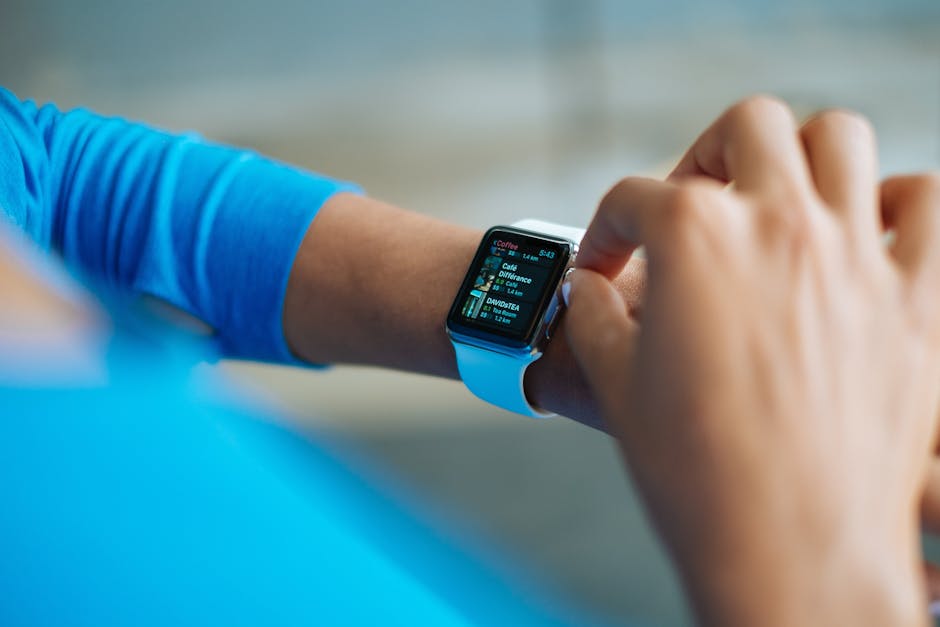
Tech Innovations frames the debate here: The future of our well-being hangs in the balance, as new technology disrupts the traditional paths of health. With each innovative gadget launched, we must ask: are we truly advancing health, or merely putting a Band-Aid on deeper issues? According to BBC Technology, this week features a groundbreaking sleep apnea wearable, tools to optimize hospital bed usage, and a breast health app aimed at empowering women.
The Stakes in Health Innovation
These developments are not just flashes in the pan; they reflect a shift in how health management is approached in our increasingly digital world. The sleep apnea wearable promises to monitor and manage one of the most common yet overlooked disorders, potentially enhancing countless lives. Meanwhile, tech designed to free up hospital beds signals a critical response to an ongoing healthcare crisis made worse by resource shortages and increasing patient volumes. This situation could lead to significant shifts in health practices and access, especially as hospitals navigate post-pandemic challenges.

The introduction of a breast health app also plays into the growing focus on preventative care, where technology becomes a partner rather than a crutch. It’s a wake-up call for a system long entrenched in reactive medicine; finally, we’re seeing a push toward proactive health measures.
Who Wins and Who Loses in Health?
However, this wave of innovation is not without its pitfalls. While certain communities may benefit from enhanced health management tools, those without access to these technologies will find themselves further marginalized. Healthcare inequalities persist, often leaving the most vulnerable populations behind. If not handled with care, this new tech could exacerbate existing disparities rather than alleviate them.
Additionally, the focus on tech-driven solutions could divert attention from the root causes of health issues—social determinants like poverty, education, and access to care. While a wearable device can track sleep patterns, it cannot address why someone might be unable to afford a comfortable home or a nutritious meal. The conversation around health is shifting, but it risks becoming superficial if it does not prioritize holistic approaches.
As these technologies roll out, there’s also the looming threat of privacy and data security. Users may be willing to sacrifice personal information for the sake of convenience, but the long-term consequences of this could jeopardize the very health we’re striving to improve.
The health landscape is changing rapidly, and those who adapt will thrive. However, as we embrace these advancements, we must ensure they are inclusive and address systemic issues. The question remains: will we be pioneers in a new era of health, or will we merely be spectators watching as others dictate the terms of our well-being?
It’s time to be bold in how we define health and who gets to access it. As this week unfolds, the stakes couldn’t be higher.
That tension around Tech Innovations is not going away.
Source: BBC Technology