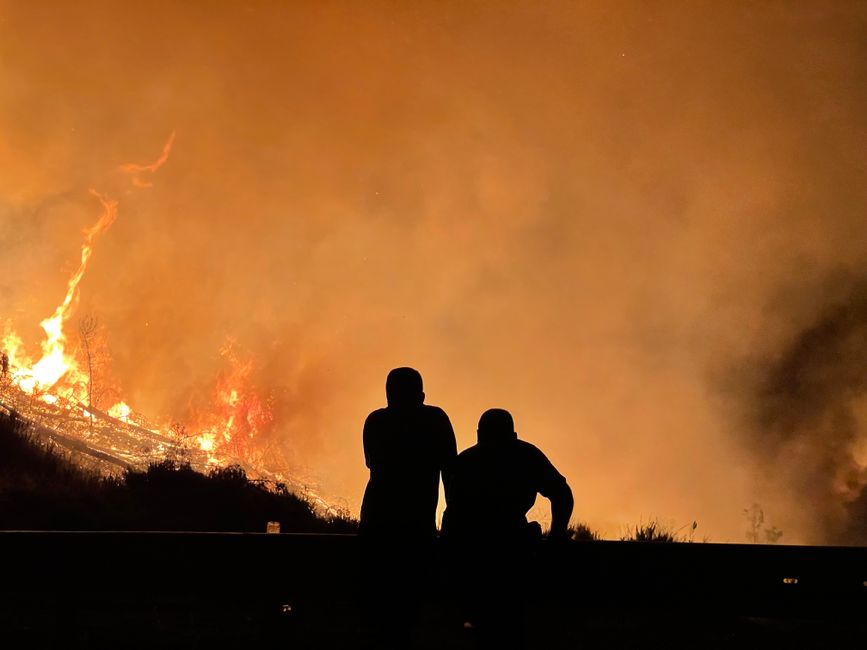
The devastating inferno tearing through Spokane isn’t just a natural disaster; it’s a stark reminder of the urgent need for decisive leadership and **Fast** action, a need currently as elusive as the smoke-choked horizon.
On a grim Saturday evening, the city of Spokane found itself battling a conflagration of historic proportions. As *The Spokesman-Review* reported, “walls of flames destroyed dozens of homes and other structures” in areas like the Indian Trail Neighborhood. This wasn’t merely an unfortunate accident; it unfolded “amid one of the worst natural disasters in the city’s history,” preceded by a “historic weather warning.” In such moments of profound crisis, communities turn their eyes and ears to their leaders, seeking clarity, reassurance, and a tangible plan. Yet, the narrative emerging isn’t one of a swift, decisive interview from a top official, but rather the raw, unfiltered story of a city under siege, grappling with the immediate aftermath and the chilling questions about what could have been done differently. The absence of a clear, immediate, and comprehensive statement from the highest echelons of leadership, in a situation so dire, leaves a void that mere incident reports cannot fill.
What landed
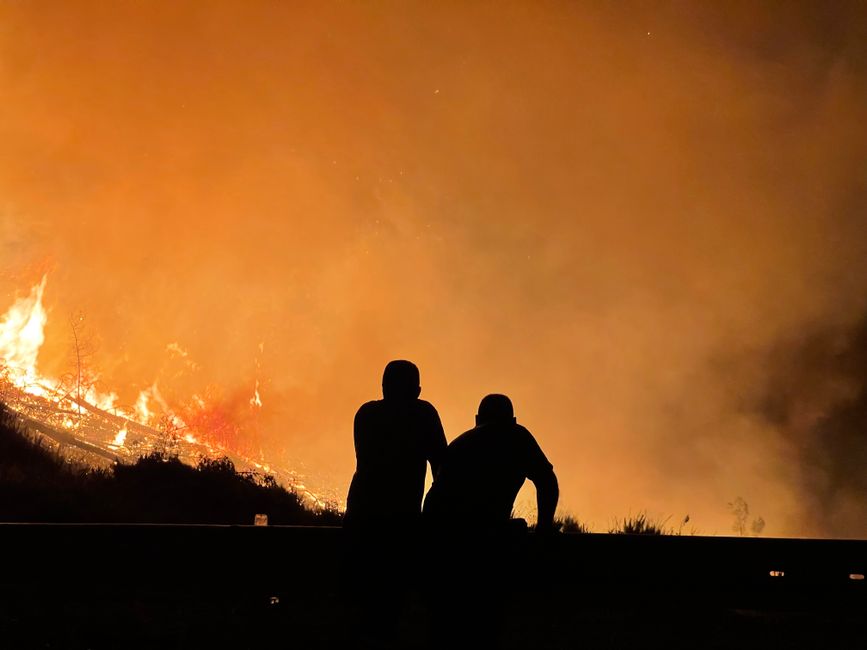
What landed with undeniable force on Spokane residents was the brutal reality of destruction. *The Spokesman-Review* painted a harrowing picture: “Walls of flames destroyed dozens of homes and other structures.” This isn’t abstract data; it’s lives upended, memories turned to ash, and the very fabric of neighborhoods torn apart. The sheer speed of the fire, described as “fast-moving,” underscores the terrifying immediacy of the threat. Families had mere moments to flee, leaving behind everything but the clothes on their backs.
The devastation wasn’t confined to a single pocket; it ravaged the Indian Trail Neighborhood and other areas, suggesting a widespread and uncontrolled blaze that overwhelmed initial response efforts. The phrase “one of the worst natural disasters in the city’s history” isn’t hyperbole in this context. It frames the incident not just as a local emergency, but as a benchmark event that will forever mark Spokane’s timeline. This scale of calamity inherently demands a public reckoning, a moment where leadership steps forward not just to manage the crisis on the ground, but to communicate with a traumatized populace about the path forward, and crucially, the lessons learned. The immediate impact, therefore, was not just physical destruction, but a profound shock to the community’s sense of security and preparedness.
What doesn’t add up
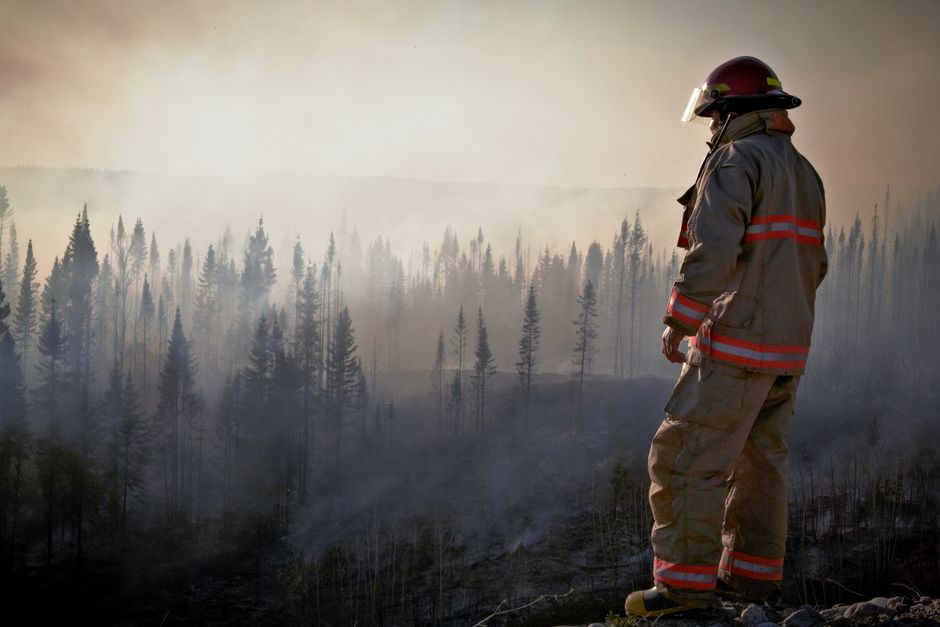
The most glaring incongruity in the wake of Spokane’s catastrophic fire isn’t found in a specific quote, but in the glaring silence surrounding a proactive, comprehensive leadership response, particularly when viewed against the backdrop of a “historic weather warning.” One might reasonably assume that such a warning would trigger an elevated state of readiness, a clear communication strategy, and pre-emptive measures to safeguard vulnerable communities. The fact that “walls of flames destroyed dozens of homes” with such rapidity, despite this foreknowledge, raises more than a few skeptical eyebrows. It suggests a disconnect between the intelligence received and the effectiveness of the response, or perhaps, the communication surrounding it.
The very description of the fire as “fast-moving” that overwhelmed the city invites critical scrutiny. Was every available resource deployed immediately? Were evacuation protocols clear and universally understood? What concrete actions were taken *after* the “historic weather warning” was issued to mitigate the precise scenario that unfolded? The public, reeling from such devastation, surely expects a candid assessment, not just of the immediate response, but of the long-term strategies for climate change adaptation and disaster preparedness. The absence of a high-profile, transparent dialogue from leadership addressing these foundational questions, and acknowledging potential shortcomings, leaves a significant gap. It contradicts the expectation that in a crisis of this magnitude, the focus would be squarely on accountability, learning, and rebuilding public trust, rather than simply managing the immediate chaos. One is left to wonder if the lessons from past fire seasons, both locally and across the region, have truly been absorbed and translated into actionable, resilient policies.
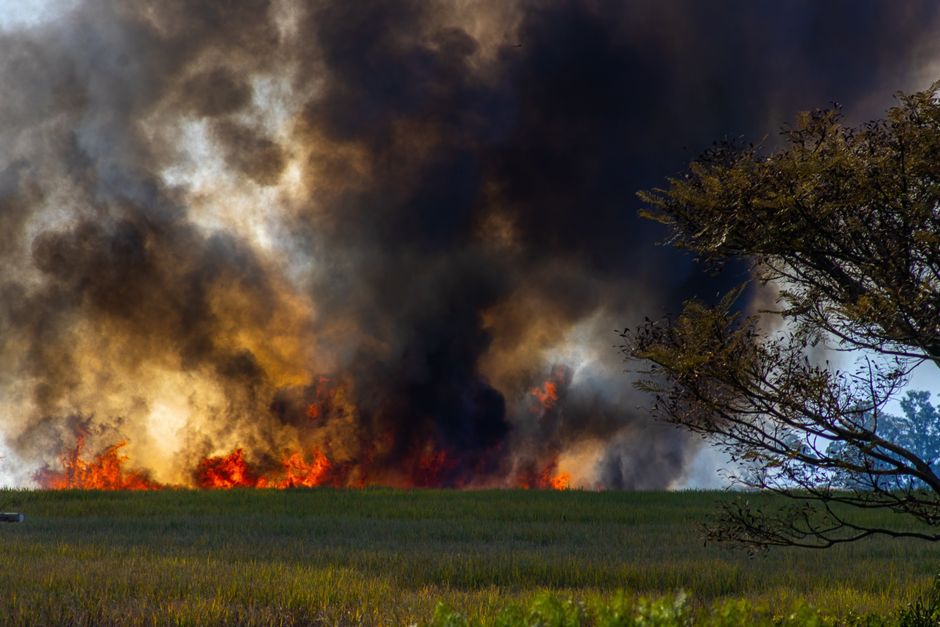
Come Monday morning, the stakes are painfully clear: for Spokane, it’s not just about rebuilding homes, but about rebuilding trust and reassessing vulnerability. The immediate aftermath of this fast-moving inferno will undoubtedly spark urgent conversations about urban planning in wildfire-prone areas, resource allocation for emergency services, and the efficacy of public warning systems. More broadly, it serves as a stark reminder for leaders everywhere that in an era of escalating climate-related disasters, proactive communication, transparent accountability, and robust preparedness are no longer optional—they are absolutely essential. The questions left unanswered by Saturday’s inferno will demand answers long after the smoke clears, shaping not just Spokane’s future, but potentially influencing how other cities nationwide prepare for their own inevitable encounters with nature’s fury.
Source: OnTheRecord