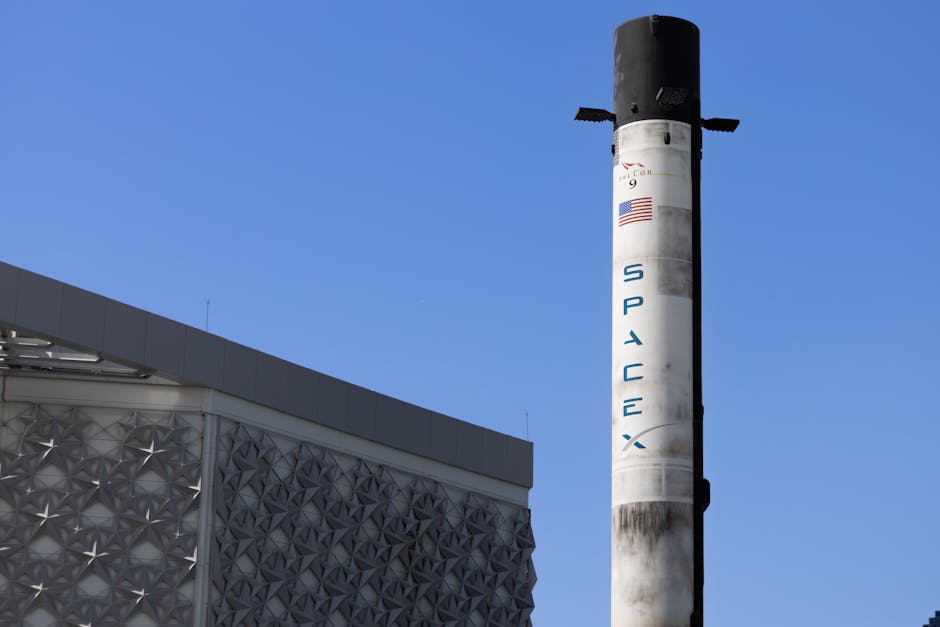
Elon Musk is at it again, swaggering onto the financial stage with a $1.75 trillion valuation for SpaceX and aiming for the largest stock market debut in history. But in a world where tech companies are treated like gods, is anyone questioning whether we’re just throwing money into the void? According to BBC Business, SpaceX has set a target share price earlier than expected, signaling an aggressive push to cash in on its cosmic aspirations.
The SpaceX Valuation and its Implications for Markets
This isn’t merely about a flashy rocket company; this is about who gets to play God in the space race. SpaceX’s ambitious valuation arrives as the company continues to dominate headlines. Musk is already a household name, and now he’s ready to take his ambitions to the moon—literally. The timing couldn’t be more interesting. As the world grapples with economic turbulence, the tech sector is still wildly bullish. Investors are often quick to ignore the fundamentals when starry-eyed visions of interplanetary travel are at play.
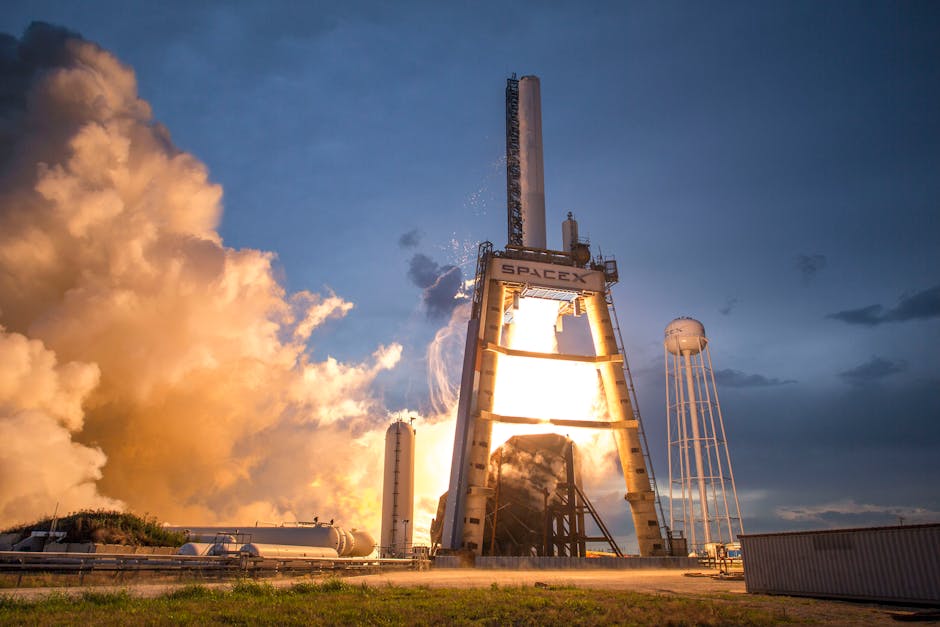
In this context, the idea of a $1.75 trillion valuation for SpaceX seems almost plausible, especially when people are more inclined to invest in futuristic ventures than traditional ones. However, it’s remarkable how the narrative has shifted. Just a few years ago, SpaceX was seen as a risky bet. Today, it’s playing with house money, creating a new playbook for the markets.
Who Benefits from This Cosmic Valuation?
The stakes are extraordinarily high. If SpaceX succeeds in its stock market ambitions, it could redefine investment strategies across the tech landscape. Traditional companies might scramble to catch up, while startups will feel an increased pressure to match the celestial ambitions of Musk’s empire. There’s a palpable tension between old-guard investors, who may still cling to more mundane realities, and the dream-chasers who are prepared to gamble on the next frontier.

But let’s not gloss over the risks. The hype cycle surrounding SpaceX could lead to a bubble reminiscent of the dot-com era. If the company doesn’t deliver on its grand promises, we could see a crash that reverberates through the markets. And let’s face it: the promise of making life multi-planetary is tantalizing, but it’s not exactly a guarantee of profitability.
The mainstream narrative often overlooks the ethical dimensions of these high-flying ventures. Yes, it’s exciting to think of a future where humans walk on Mars, but at what cost? The environmental impact of rocket launches is rarely discussed, and the resources devoted to space exploration could arguably be better spent addressing crises on Earth.
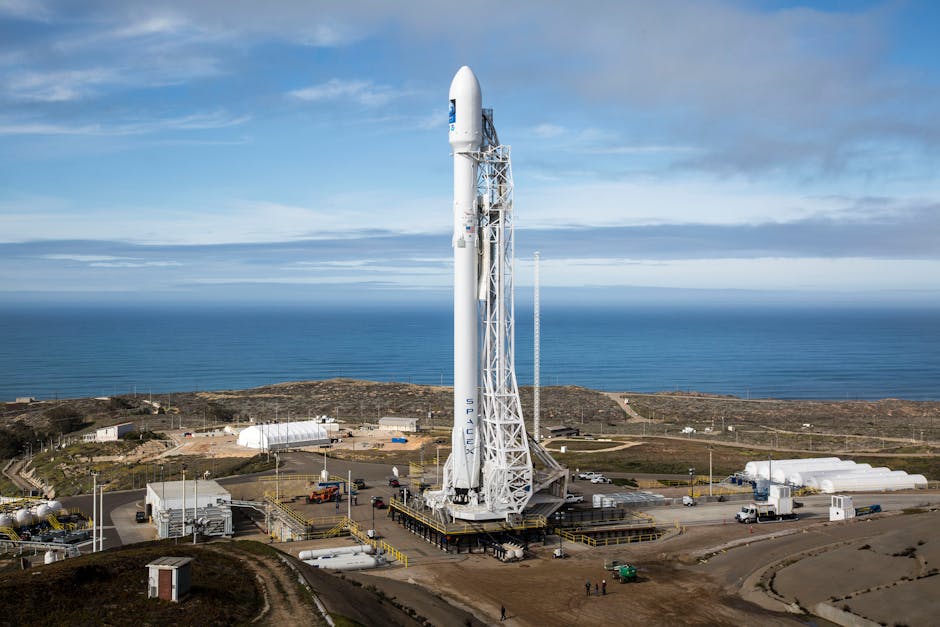
The Future of Markets in SpaceX’s Orbit
So, what’s the takeaway? Musk’s ambitions could usher in a new era for the markets, reshaping them in ways we can’t yet fully understand. Investors must tread carefully, navigating between the allure of innovation and the sobering reality of speculative investing. As SpaceX gears up for this historic stock market debut, one must wonder: will it be a giant leap for mankind, or simply another case of “too good to be true”?
As we stand on the brink of this new chapter, it’s worth asking whether we’re ready to blend the sky-high ambitions of space exploration with the grounded realities of economic sustainability. Only time will tell if the markets have the wisdom to distinguish between genuine opportunity and cosmic hype.
Source: BBC Business