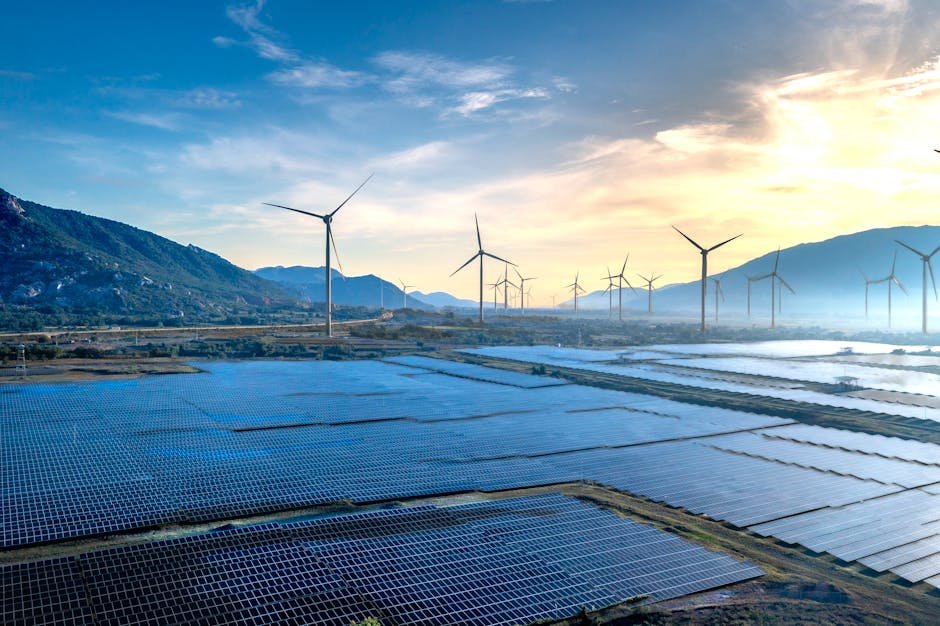
South Asia frames the debate here: The future of South Asia hangs precariously on the balance of minerals that most people have never heard of. In an age defined by technology and innovation, the United States and India have signed a Strategic Critical Minerals Cooperation Framework aimed at securing access to essential resources. According to the U.S. Embassy in India, this agreement is a strategic move to align both nations’ interests in critical minerals, which are vital for technology and renewable energy.
The South Asia Minerals Game
Why does this matter now? The global race for critical minerals, such as lithium, cobalt, and rare earth elements, has intensified. With the world increasingly shifting towards electric vehicles and renewable energy, these minerals have become the new oil. The U.S. and India, understanding the geopolitical implications, are keen to collaborate in securing these resources, particularly as tensions with China continue to rise. China dominates the rare earth market, leaving many countries scrambling to establish alternative supply chains.
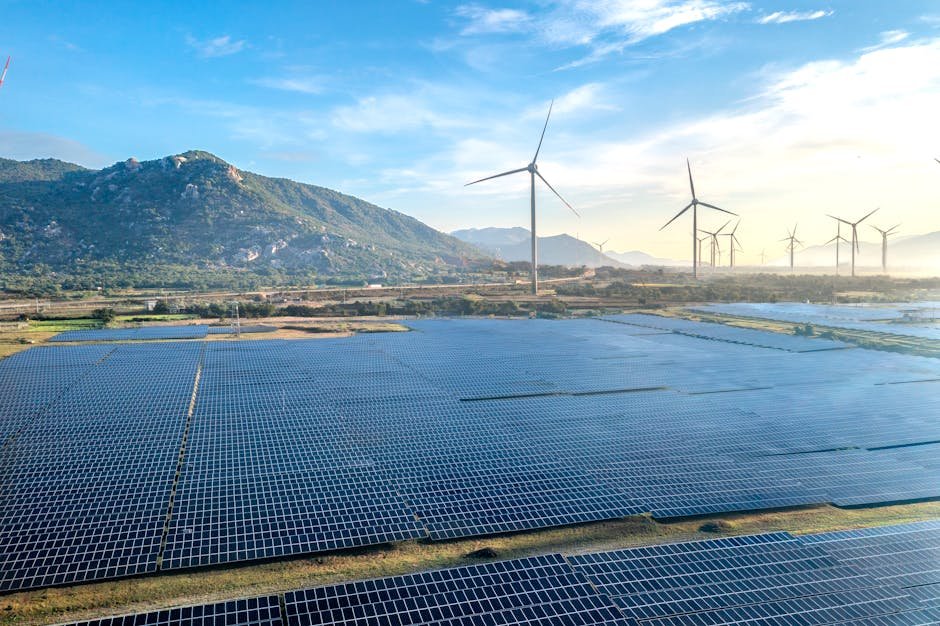
In South Asia, India’s burgeoning tech sector and ambitious renewable energy goals make it an attractive partner for the U.S. This cooperation could potentially reshape the dynamics of the South Asia region, reducing reliance on Chinese imports while bolstering local economies through investment in mining and production. However, this partnership is not without its complications, as both nations will need to navigate regulatory hurdles and environmental concerns.
A New Era of Cooperation or Just Hot Air?
The stakes are high. On one hand, the United States could reinvigorate its own dwindling supply chains and create jobs at home. On the other hand, India could accelerate its transition towards a greener economy and strengthen its position as a regional leader in South Asia. However, the mainstream discussion often glosses over the potential pitfalls.
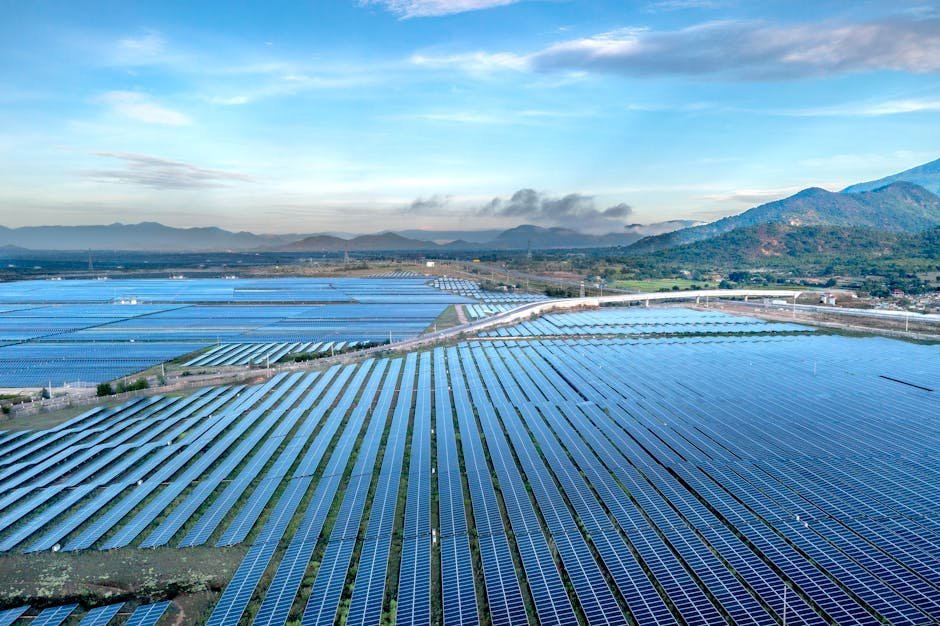
What happens if this partnership fails to materialize as planned? The U.S. may find itself stuck in a cycle of dependency, while India risks being left with unfulfilled promises and a mining sector that struggles to gain traction. Moreover, if environmental regulations aren’t stringent, the risks of exploitation and ecological damage could overshadow the promised economic benefits.
Critically, the deal underscores a broader narrative in South Asia—a region rich in potential but often stymied by historical rivalries and regulatory challenges. The cooperation framework represents both hope and skepticism, as stakeholders grapple with the reality that promising partnerships can quickly become fraught with complications.
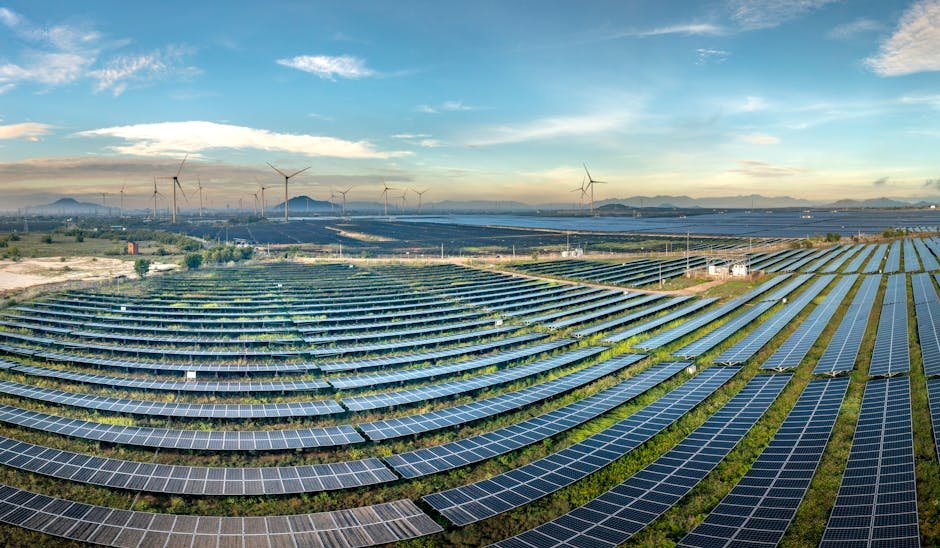
In essence, the U.S.-India agreement on critical minerals could usher in a new era of collaboration in South Asia. But only if both nations are willing to commit to transparency, sustainability, and the equitable distribution of benefits.
As we watch this narrative unfold, the lingering question remains: will this framework serve as a genuine turning point for South Asia’s geopolitical landscape, or will it become just another piece of paper lost in the maze of international diplomacy? Only time will tell.
Source: Google — South Asia