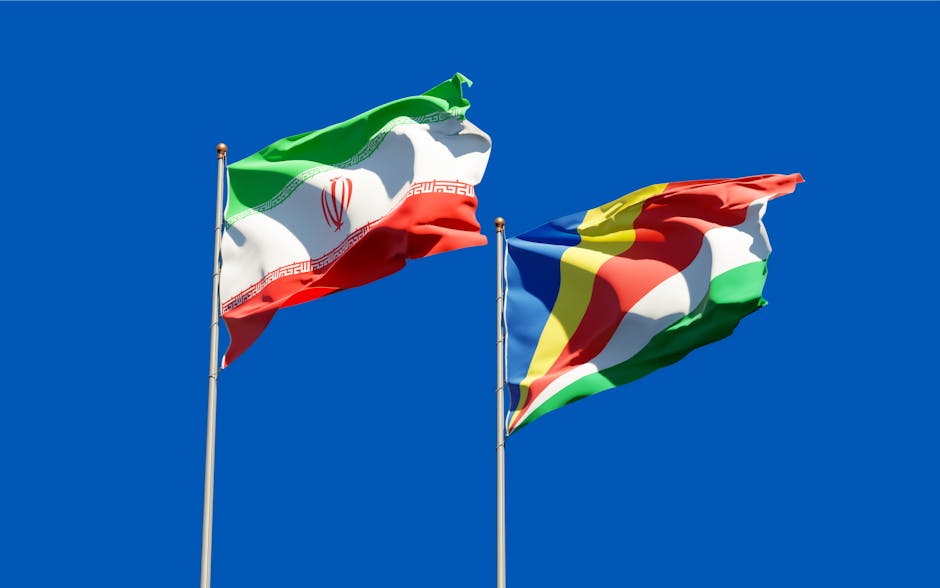
The dynamic landscape of South Asia is about to get even more complicated. With Pakistan’s Interior Minister visiting Tehran amid the U.S. downing of Iranian drones over the Strait of Hormuz, the chess pieces are shifting rapidly on this already volatile board. Who’s really in control here, and who will pay the price for these high-stakes maneuvers?
According to ABC News, Pakistani Interior Minister Rana Sanaullah is currently in Tehran, where he’s likely discussing security and diplomatic relations in light of recent escalations. At the same time, U.S. forces have taken action by shooting down Iranian drones, intensifying tensions in a region that has long been a flashpoint for international conflict.
Context: The Stakes in South Asia
This moment encapsulates the precarious balance of power in South Asia. The region is no stranger to conflict, but the intertwining of Iranian interests and U.S. military action adds a new layer of urgency. Pakistan, often caught in the crossfire of U.S.-Iran tensions, seems to be walking a diplomatic tightrope.
The backdrop is crucial. The U.S. sees Iran as a regional threat, particularly as it continues to expand its influence in Iraq and Syria. For Pakistan, the stakes are high not only for national security but also for economic stability. With the U.S. tightening the screws on Iran, Islamabad’s relationship with Tehran becomes increasingly vital. The question arises: will Pakistan risk alienating a neighbor while trying to maintain its ties with a superpower?
Hot Take: The Real Winners and Losers in this Game
In this high-stakes game, the real winners may be those who manage to manipulate the chaos. The U.S. may celebrate its military action as a show of strength, yet it risks igniting a broader conflict that could destabilize the entire region. Iran, on the other hand, will likely leverage the situation to rally support against perceived Western aggression, thus reinforcing its position within South Asia.
Pakistan finds itself in a precarious position. The government’s engagement with Tehran could either strengthen its geopolitical standing or plunge it deeper into the mire of conflict. There’s a profound irony here: as the U.S. seeks to exert control, it may inadvertently push Pakistan closer to Tehran, potentially creating a new axis that challenges American influence in South Asia.
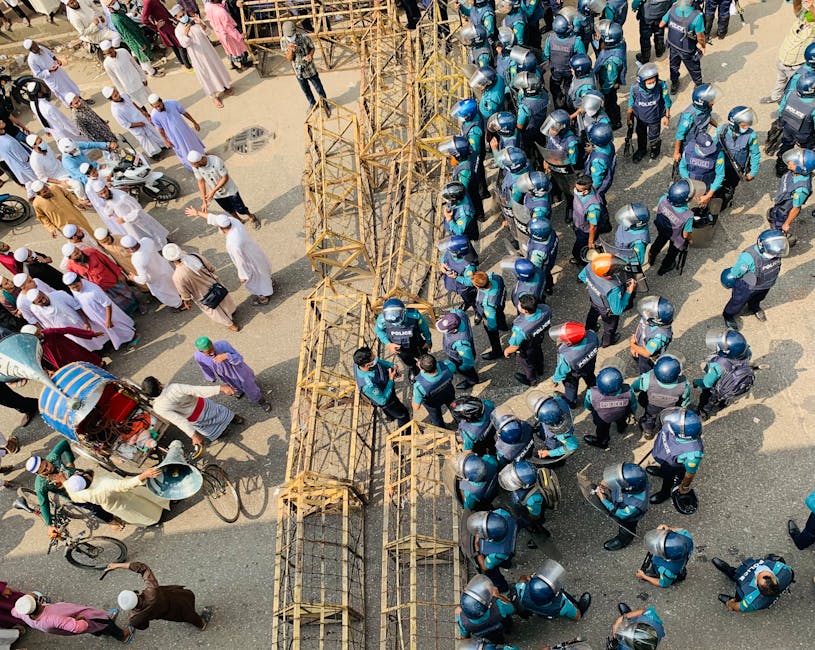
Meanwhile, the mainstream narrative often overlooks the perspective of the ordinary citizens affected by these geopolitical maneuvers. If military actions escalate, it is the people of South Asia who will suffer the most, facing the fallout of decisions made in distant capitals.
The implications for South Asia are enormous. Market stability hangs in the balance as diplomacy dances on a knife’s edge. Will Pakistani policymakers find a way to navigate this dangerous terrain, or will they misstep and exacerbate existing tensions?
As we watch these developments unfold, it’s clear that South Asia is not only a political chessboard but also a stage for potential catastrophe. The world should brace itself; the diplomatic fallout from this visit could echo well beyond Tehran and Islamabad.
In a region already fraught with complexity, one has to wonder: can diplomacy really tame the beast, or will it merely serve as a band-aid on a deeper wound? The coming days will reveal whether the South Asian landscape will shift toward unity or division.
Source: Google — South Asia