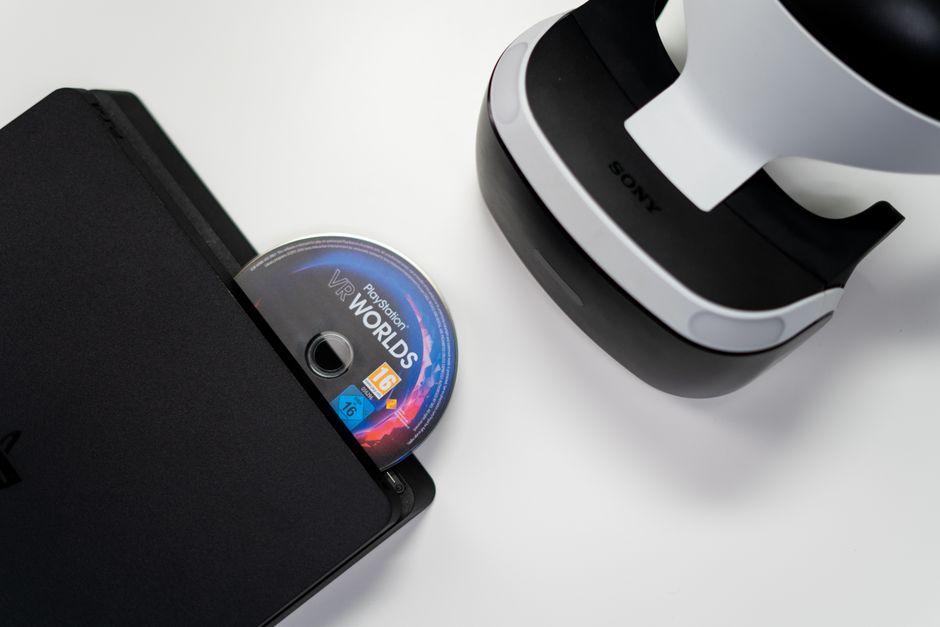
The disc is dead. Long live… nothing. Just pure, ethereal data floating in the cloud. We’ve been told for years that physical media was on its way out, but now, a quiet factory in Austria is sounding the final death knell for a significant chunk of the gaming world, spearheaded by none other than **Sony**.
According to a report from The Verge, citing ORF Salzburg, Sony DADC president Dietmar Tanzer has confirmed a pivotal shift. Their Thalgau plant, once a behemoth churning out 600,000 discs daily, is undergoing a dramatic repurposing. Half of that massive output was dedicated to PlayStation discs, and now that legacy is being dismantled.
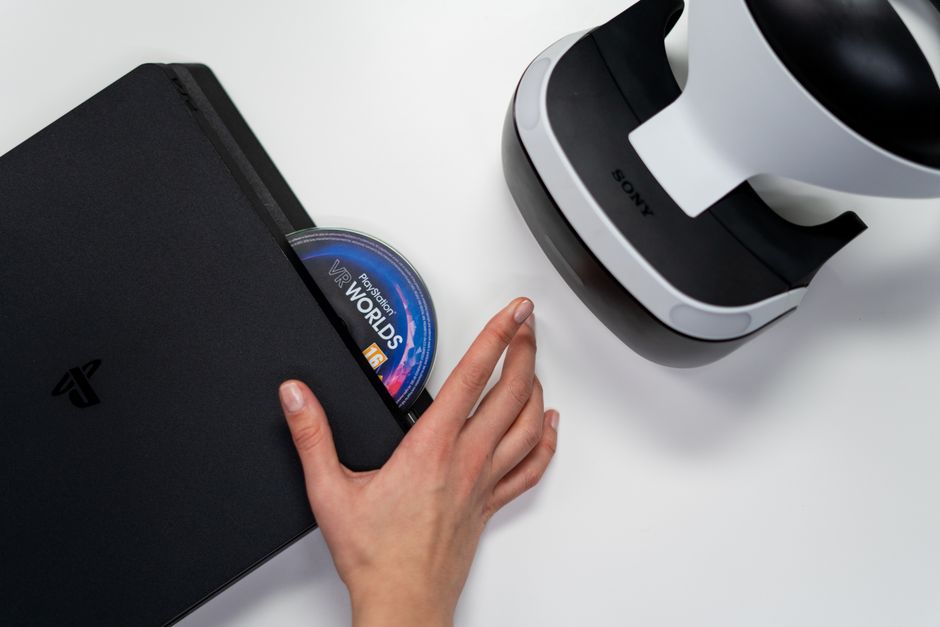
The Quiet Demise of Physical Media for Sony
This isn’t just a factory retooling; it’s a profound declaration from a major player. For decades, physical discs were the lifeblood of console gaming. You bought a game, you owned a tangible piece of plastic and art. Now, that era is definitively closing for a significant part of **Sony’s** operations.
The move reflects an industry-wide acceleration towards digital distribution. Streaming services dominate film and music. Gaming, however, held onto physical media with a tighter grip, largely due to file sizes and the collector’s market. Yet, that grip has been loosening for years, almost imperceptibly at first, then with increasing speed.
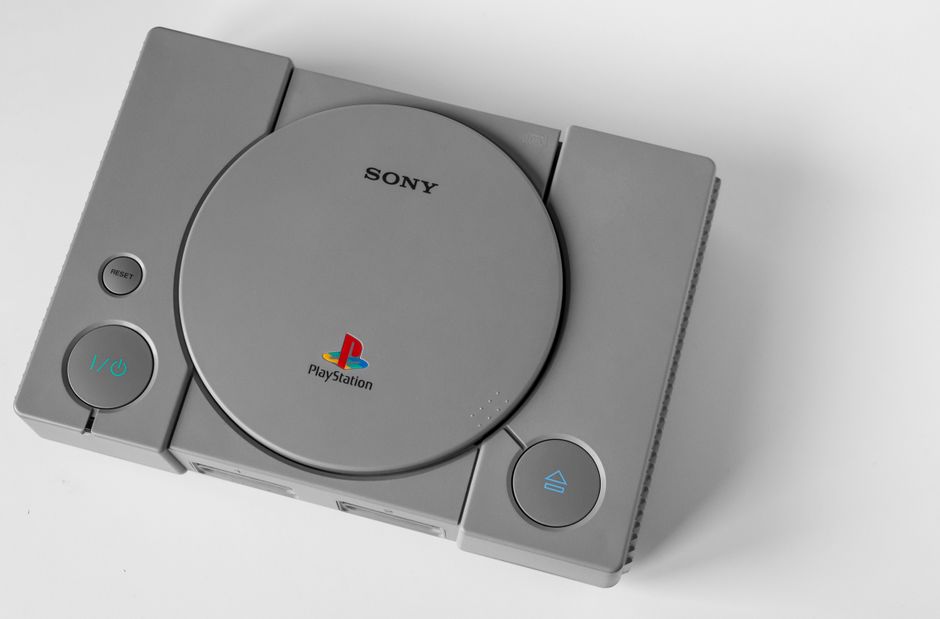
Console manufacturers have actively pushed this agenda. The Xbox Series S, for instance, launched without a disc drive. PlayStation followed suit with a digital-only version of the PS5. These were not mere options; they were harbingers of a future where physical copies become niche, if not obsolete.
This shift isn’t just about convenience for consumers. It’s about control for the platform holders. Digital storefronts offer higher profit margins, eliminate manufacturing and distribution costs, and provide a direct pipeline to the customer. They also remove the used game market, a persistent thorn in publishers’ sides for decades.
For gamers, this transition has been met with mixed feelings. Some embrace the clutter-free convenience and instant access that digital libraries offer. Others lament the loss of true ownership, the ability to lend or resell games, and the simple joy of a physical collection. The emotional attachment to game boxes and manuals is real for many.
The Thalgau plant’s pivot to microlens production, as mentioned in the original report, highlights a strategic reallocation of resources. It signals a move away from legacy manufacturing towards future technologies. This isn’t just about saving money; it’s about investing in the next generation of tech, whatever that may be.
The Digital Iron Curtain: Who Wins, Who Loses?
Let’s be blunt: this isn’t about what’s *best* for the consumer; it’s about what’s *best* for the bottom line. Sony is making a calculated business decision, and while some gamers will benefit from the sheer convenience of digital, many more will find themselves disempowered. This is the digital iron curtain descending, and it changes everything about how we “own” our games.
The winners are clear: Sony, other platform holders, and game publishers. They gain absolute control over distribution, pricing, and the lifespan of their products. No more used game sales cutting into profits. No more manufacturing logistics. Just pure, unadulterated digital revenue flowing directly into their accounts. They also gain invaluable data on player habits, which is gold in today’s economy.
The losers? Gamers who value physical ownership. Collectors who curate shelves of beloved titles. Those who live in areas with unreliable or slow internet connections, making massive digital downloads a nightmare. And, perhaps most significantly, the entire ecosystem of independent game stores that relied on physical sales. These businesses are already struggling, and this move further squeezes their oxygen.
Consider the implications for preservation. Physical discs, imperfect as they are, offer a degree of permanence. Digital licenses, however, are ephemeral. They exist as long as the platform holder decides they should. What happens when servers shut down, or licenses expire, or a company simply decides to delist a game? Your “purchased” game could vanish into the ether, leaving you with nothing but a void. This is a terrifying prospect for the history of gaming.
The mainstream narrative often spins digital as progress, as inevitable evolution. And in many ways, it is. But we must interrogate what we lose in that “progress.” We lose true ownership. We lose the right to resell. We lose a tangible piece of cultural history. We trade the robust permanence of an object for the fragile convenience of a license.
Some might argue that streaming and digital downloads are more environmentally friendly. Less plastic, less shipping. That’s a fair point, but it’s often a convenient talking point to distract from the deeper issues of control and consumer rights. The energy consumption of massive data centers and constant downloads is rarely factored into that equation with the same fervor.
This move by Sony DADC isn’t an isolated incident; it’s a bellwether. It signals a near future where physical media is a niche, retro pursuit, much like vinyl records are today. The mass market will be entirely digital, entirely controlled. And while that offers undeniable advantages in terms of accessibility and instant gratification, it also centralizes power in ways that should give any thoughtful consumer pause.
The next console generation, whenever it arrives, will likely cement this trend. Disc drives might become an expensive optional extra, or disappear entirely. This shift isn’t just about how we play games; it’s about who holds the keys to the kingdom.
So, as the last PlayStation disc rolls off the line in Thalgau, ask yourself: are you cheering for convenience, or mourning the quiet death of ownership? Because once that physical connection is severed, the digital leash gets a whole lot shorter. The future of gaming is here, and it looks a lot like a walled garden.
Source: The Verge