
Rubio Visit frames the debate here: The wounds between the United States and India may be too deep for a band-aid visit from Marco Rubio. In a region like South Asia, where alliances shift with the winds and the stakes are high, meaningless platitudes won’t suffice. This isn’t just about diplomacy; it’s about trust, and right now, that trust is fraying.
According to The New York Times, Senator Rubio’s recent trip to India was more of a photo op than a genuine attempt to heal the strained ties between the two nations. It comes on the heels of escalating tensions over various issues, including human rights concerns and geopolitical maneuvering in the Indo-Pacific.
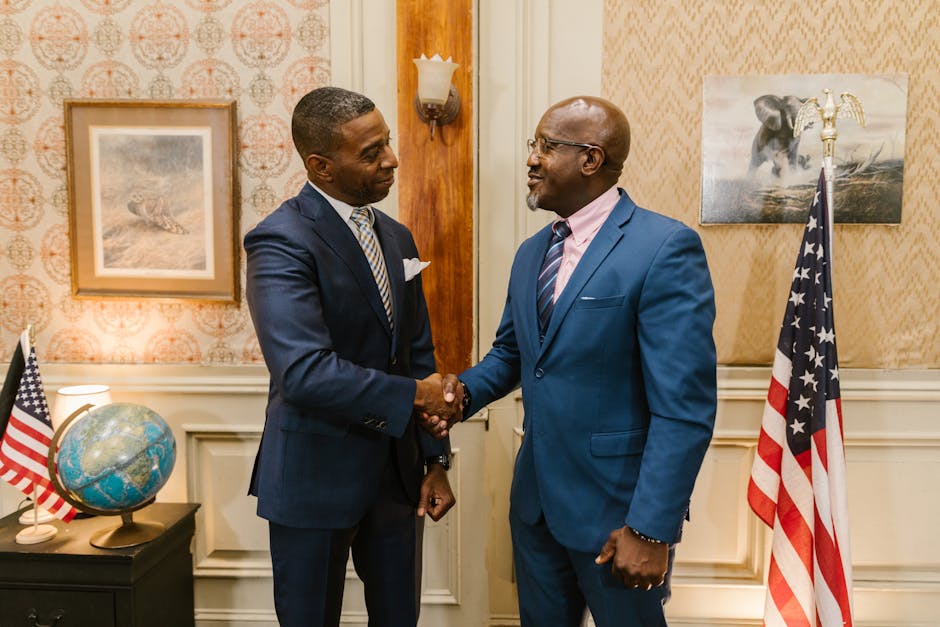
The South Asia Context: Tensions Rising
This visit reflects an urgent need for the U.S. to address its relationship with India, particularly as South Asia finds itself at the heart of global strategic competition. The backdrop here is complex, marked by India’s increasingly assertive foreign policy and its growing ties with other nations that may not align with American interests. In fact, tensions have simmered over U.S. criticisms of India’s handling of internal dissent and its approach to Kashmir. With China lurking behind every corner, the need for a robust partnership with India has never been clearer. However, Rubio’s visit offered little more than empty rhetoric, failing to provide “real medicine” for the relationship’s ailments.
The players are entrenched: on one side, you have India, a rising power keen on asserting itself on the global stage. On the other, there’s the U.S., grappling with its waning influence and seeking to reestablish itself as a reliable ally. This dynamic is fraught with pitfalls. Both nations need each other, but neither is willing to fully commit to addressing the underlying issues threatening their alliance.
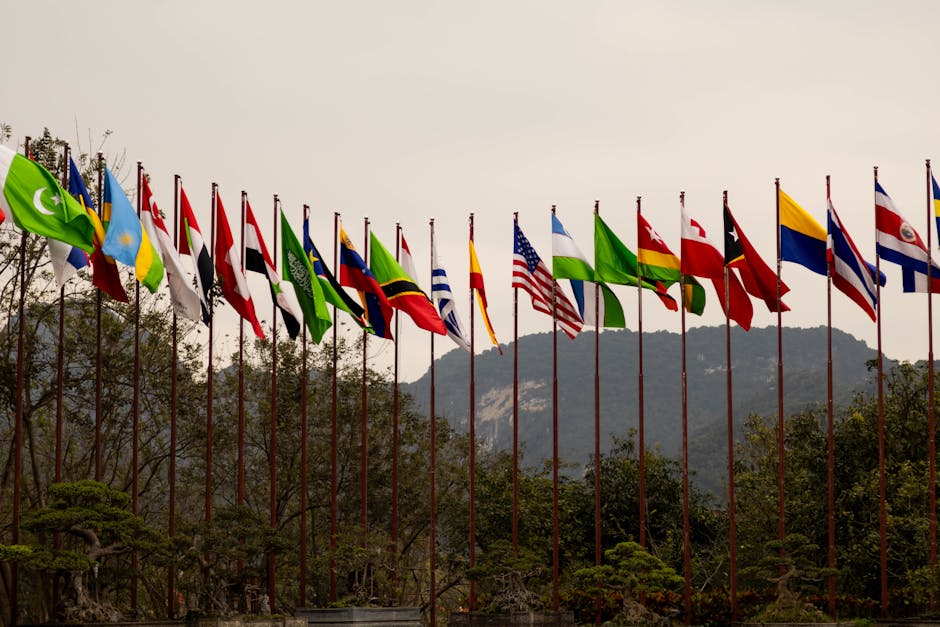
A Hot Take on Rubio’s Empty Gesture
Here’s the painful truth: Rubio’s visit is emblematic of a deeper malaise in U.S. foreign policy. Rather than engaging in meaningful discourse, this is more about optics than substance. The mainstream narrative glosses over the reality that, without addressing core grievances, any attempts to rebuild the relationship are doomed to fail. What could go wrong? Well, for one, continued disillusionment in India could push it further into the arms of U.S. adversaries. The risk of miscalculation is high, as both nations face internal pressures that could derail even the most well-intentioned diplomatic efforts.
Critics argue that Rubio’s approach reflects a broader trend in Washington—where political expediency often trumps substantial policy changes. The South Asia region deserves more than a superficial touch-up; it needs a genuine commitment to re-evaluating the relationship in a rapidly changing geopolitical landscape. Otherwise, we may find ourselves looking back at this moment as the point where a critical alliance began to wither away.

So, where do we go from here? Without a transformative approach, the U.S.-India relationship risks stagnation, leaving both countries vulnerable to the machinations of other powers. Rubio’s visit might have garnered headlines, but it ultimately failed to deliver. The question lingers: can America find the courage to really engage, or will it continue to fumble in South Asia, stuck in a cycle of empty gestures?
That tension around Rubio Visit is not going away.
Source: Google — South Asia