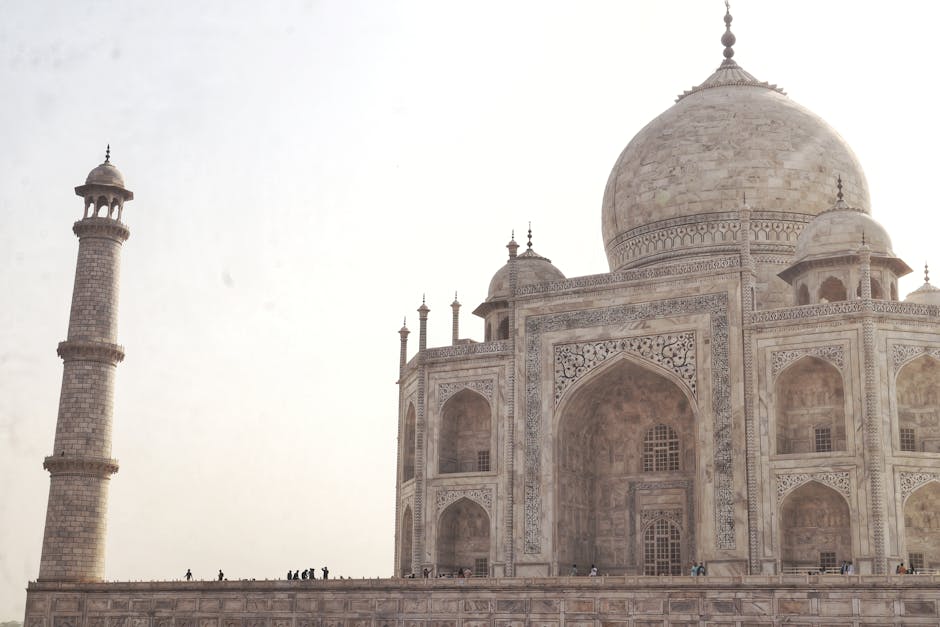
Amid the swirling tensions of global trade, Senator Marco Rubio’s leisurely stroll through the majestic Taj Mahal raises a troubling question: can diplomacy really thrive when trade relations are hanging by a thread? Recently, South Asia has found itself in a precarious position as the winds of economic rivalry grow stronger.
According to NBC News, Rubio’s visit to India’s iconic symbol of love came at a time when U.S.-India trade relations are facing serious strains. The senator, while admiring historical architecture, might be hoping to leverage such goodwill to mend fences between the two nations.
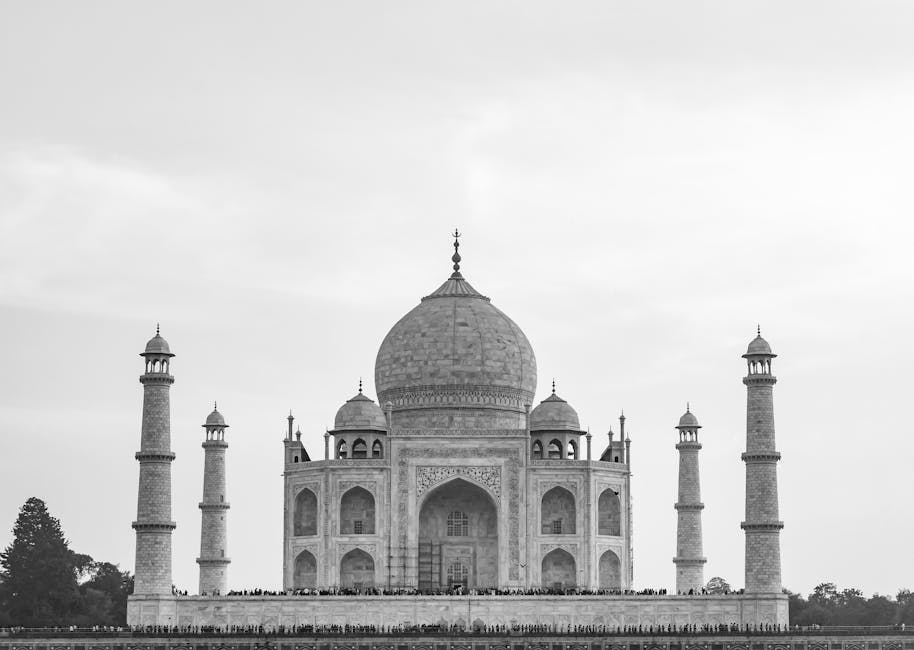
The State of South Asia’s Trade Relations
The significance of this moment cannot be overstated. Historically, the United States and India have enjoyed a cooperative relationship underpinned by shared democratic values and strategic interests. But recent events, including disagreements over tariffs and trade practices, have cast a shadow over this partnership. Rubio’s diplomatic jaunt to South Asia isn’t merely a photo op; it’s a signal of an attempt to rekindle dialogue when both countries are grappling with economic pressures.
With India aiming to bolster its technological and manufacturing sectors, and the U.S. pushing back against perceived unfair trade practices, the stakes are high. The Biden administration’s agenda prioritizing domestic jobs and technological independence complicates matters further. This backdrop makes Rubio’s trip not just a sightseeing adventure but a strategic maneuver in a region that is critical to global supply chains.
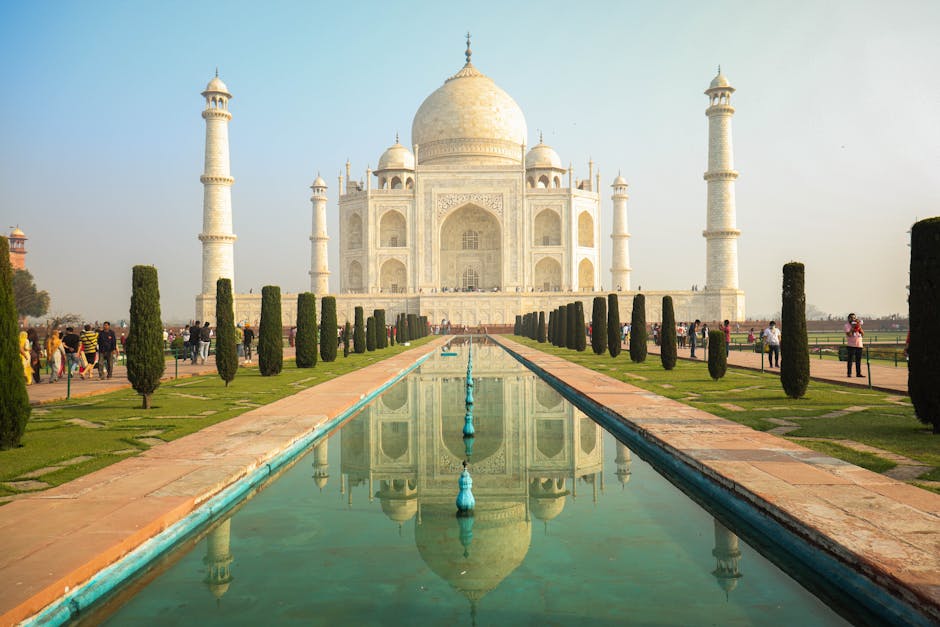
Who Wins and Who Loses in South Asia’s Trade Game?
Rubio might be enjoying a postcard-perfect moment at the Taj Mahal, but the reality is that the U.S.-India trade relationship is in jeopardy. The winners in this scenario could be those who profit from the discord—namely, rival nations that are eager to fill any void left by a weakened U.S.-India alliance. China, for instance, is all too aware of the benefits that could accrue from a rift between the world’s largest democracies.
However, it isn’t all doom and gloom. This moment presents a unique opportunity for both nations to recalibrate their approach. If Rubio’s presence in South Asia catalyzes substantive dialogue, it could lead to beneficial reforms that not only ease trade tensions but also enhance mutual economic interests. But let’s be clear: it will take much more than a stroll through a beautiful monument to achieve this. Concrete actions, not mere words, are what will reflect genuine commitment.
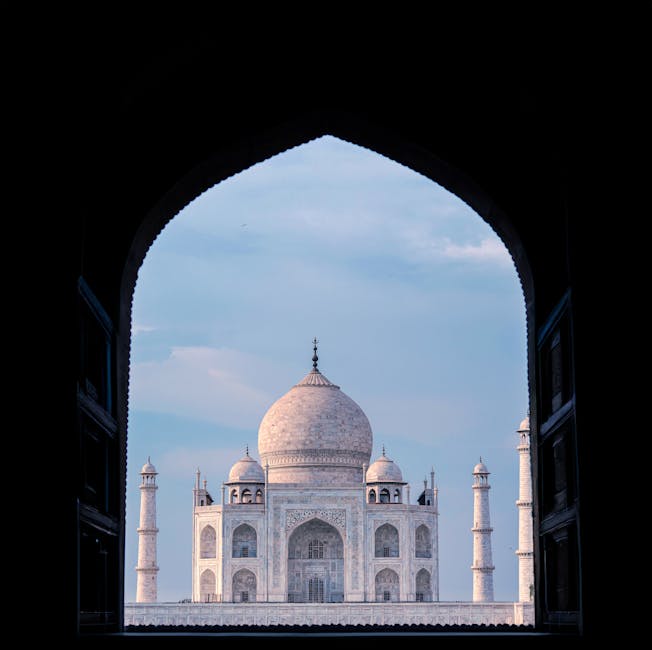
One likely misstep that the mainstream narrative often overlooks is the tendency to oversimplify these interactions. Trade relationships are messy and convoluted, influenced by numerous factors including politics, technology, and public sentiment. Rubio’s role, while potentially pivotal, must overcome the inherent complexity of international relations where one miscalculated move could spiral into economic fallout.
In conclusion, as Marco Rubio savors the splendor of South Asia’s cultural heritage, we must ask ourselves whether such trips can genuinely foster the healing of economic rifts. Will they lead to a renewed partnership that benefits both the U.S. and India, or will they merely be a fleeting moment in a much larger geopolitical chess game? The answer, quite frankly, may lie far beyond the picturesque walls of the Taj Mahal.
Source: Google — South Asia