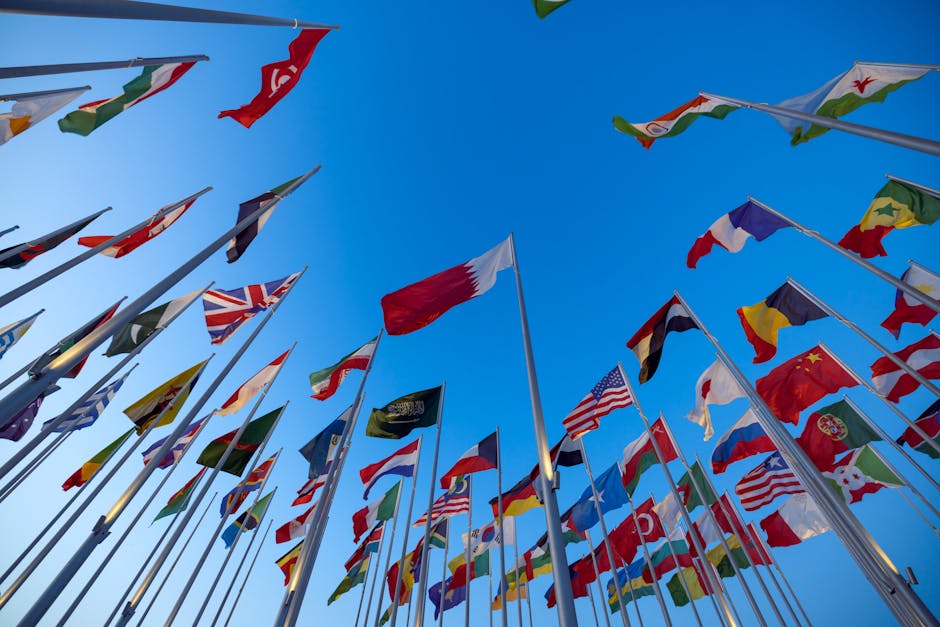
Is it irony or just plain absurdity that Qatar, a nation often condemned for its human rights record, is now playing the role of peacemaker in a conflict that has claimed countless lives? This tiny Gulf state, with its vast resources and questionable politics, has sent a negotiating team to Tehran in an effort to broker a deal between the U.S. and Iran that could finally put an end to their long-standing hostilities, according to Reuters.
Why Qatar matters now
This development is significant not just because of the potential for peace but also because it underscores a dramatic shift in diplomacy. As the U.S. grapples with its own internal chaos and foreign policy missteps, it seems to be limping toward a solution through a partner that many in the West would typically view with suspicion. The stakes couldn’t be higher: a sustainable agreement could stabilize a volatile region, while failure could further escalate tensions, possibly leading to another round of devastating conflict.

The backdrop to this moment is a complex web of geopolitical maneuvering. For years, the U.S. and Iran have been locked in a tit-for-tat struggle that has seen sanctions, military skirmishes, and an exchange of incendiary rhetoric. With leaders of both nations facing growing pressure at home, there’s an urgency that might just make this the opportune moment for diplomatic engagement. Add to this equation the role of Qatar, which has positioned itself as a mediator in other regional disputes, and you have a cocktail of contradictions that could either lead to unprecedented stability or unfathomable chaos.
The stakes around Qatar
But let’s not kid ourselves about Qatar’s motives. While they may publicly advocate for peace, they also have their own national interests to protect, particularly in countering Saudi influence and asserting a leadership role in the region. So, who stands to gain from this proposed peace? On one hand, the Biden administration could tout a significant foreign policy achievement, while Iran could reintegrate into the global economy, shedding the heavy weight of crippling sanctions. Yet we must ask: at what cost? Is this a genuine attempt at lasting peace or merely a tactical maneuver that serves the interests of a few elite players while the general populace remains shackled to their fates?

The mainstream narrative tends to gloss over the complexities of such diplomatic overtures. The fact that a nation like Qatar is stepping onto the world stage as a mediator raises critical questions about who gets to facilitate peace and why. Are we witnessing a new paradigm, where smaller nations can wield outsized influence in international relations, or are we merely witnessing the symptom of a larger dysfunction within traditional power structures?
One cannot ignore the potential pitfalls that lie ahead. If negotiations falter, it could lead to increased animosity between the U.S. and Iran, with Qatar caught in the crossfire as the scapegoat for any failed peace attempts. The region is a powder keg, and any miscalculation could lead to a violent eruption that engulfs not just the parties involved, but sends shockwaves throughout the entire Middle East.

In the end, as we watch this diplomatic dance unfold, let’s ponder an uncomfortable truth: perhaps the real victory lies not just in ending the war, but in questioning who we allow to shape the narrative of peace. Are we ready to embrace the complexities of diplomacy, even when it comes from unlikely places? One hopes this is the beginning of a genuine reconciliation process, but history warns us to temper our optimism. After all, in the world of geopolitics, hope often walks hand-in-hand with betrayal.
Source: Google — Middle East