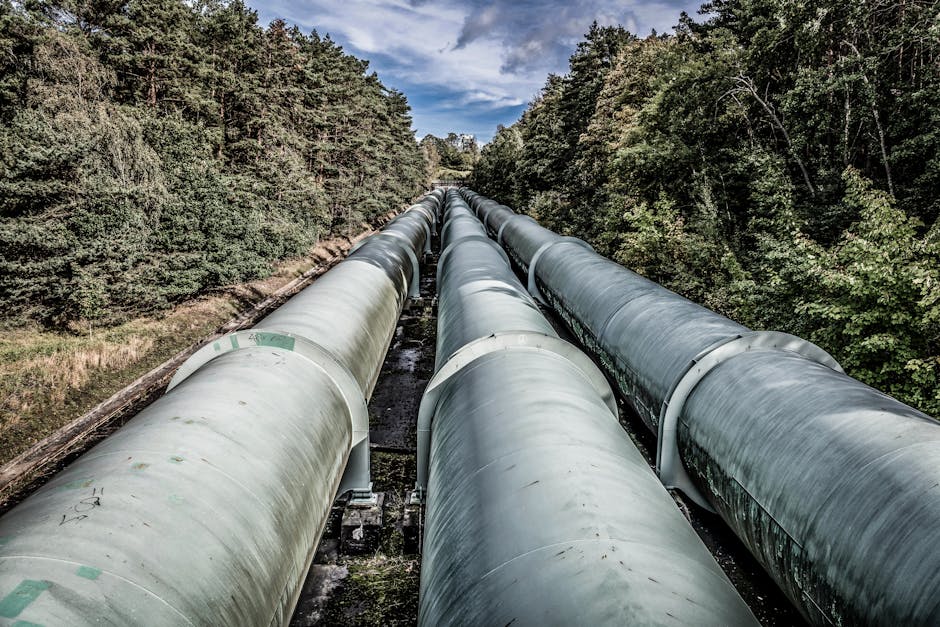
Putin China frames the debate here: Putin may have basked in the warm glow of Chinese hospitality, but the reality is stark: the relationship between Russia and China is fraught with limitations. Recent developments make it clear that while they may stand shoulder to shoulder on the world stage, their partnership is less about solidarity and more about necessity. According to the BBC, Putin returned to Russia without securing a promised pipeline deal during his latest visit to China.
The Limits of the Russia-China Relationship
This visit was more than just another diplomatic meeting; it was a showcase of Russian desperation against a backdrop of isolation. With Western sanctions tightening their grip, Russia is leaning heavily on China as an economic lifeline. But this trip revealed the uncomfortable truth that China may not be as eager to fully embrace its neighbor as Putin hoped. Russia’s quest for a landmark pipeline deal—a project that would have solidified energy ties between the two countries—ended in disappointment. The absence of this deal underscores the precarious balance in their relationship.
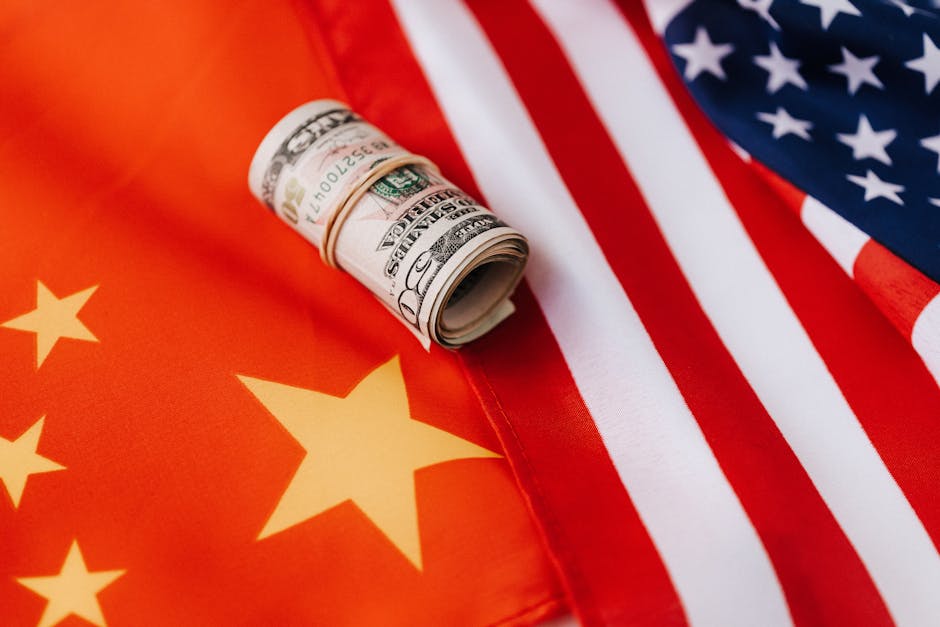
Putin’s welcome in China was undoubtedly grand. The Chinese meticulously curated the optics to project unity, but beneath the surface, there are clear fissures. As China’s global influence expands, it is becoming increasingly selective about its partnerships. While Russia may crave an ally, China appears more focused on its national interests, meaning it will extract maximum benefit from any collaboration. This dynamic is crucial, especially as Russia grapples with economic uncertainty and geopolitical isolation.
Who Wins and Who Loses in the Russia-China Game?
This failed meeting could spell trouble for Putin. On the one hand, the optics of camaraderie with China are valuable for his regime, providing a façade of strength amid a backdrop of decline. But on the other hand, this trip reveals a chilling truth: Russia’s reliance on China is not reciprocated with genuine partnership. If anything, it highlights the one-sided nature of their relationship, where Russia is the desperate suitor in a transactional alliance.
While Putin attempts to project strength, the reality is that Russia’s standing on the global stage is diminishing. The failure to seal the pipeline deal not only weakens his position domestically but also sends a clear message to other nations: Russia may be more of a liability than a partner. This could embolden countries looking to distance themselves from Moscow, especially as China eyes its own opportunities without the burden of a full-blown alliance.
Some might argue that geopolitical dynamics are always fluid, and relationships evolve. However, the fact remains that the Russia-China partnership is rooted in mutual necessity rather than shared values or goals. As China continues to rise, it may very well shed the dead weight of Russia if it no longer serves the interests of the Middle Kingdom.
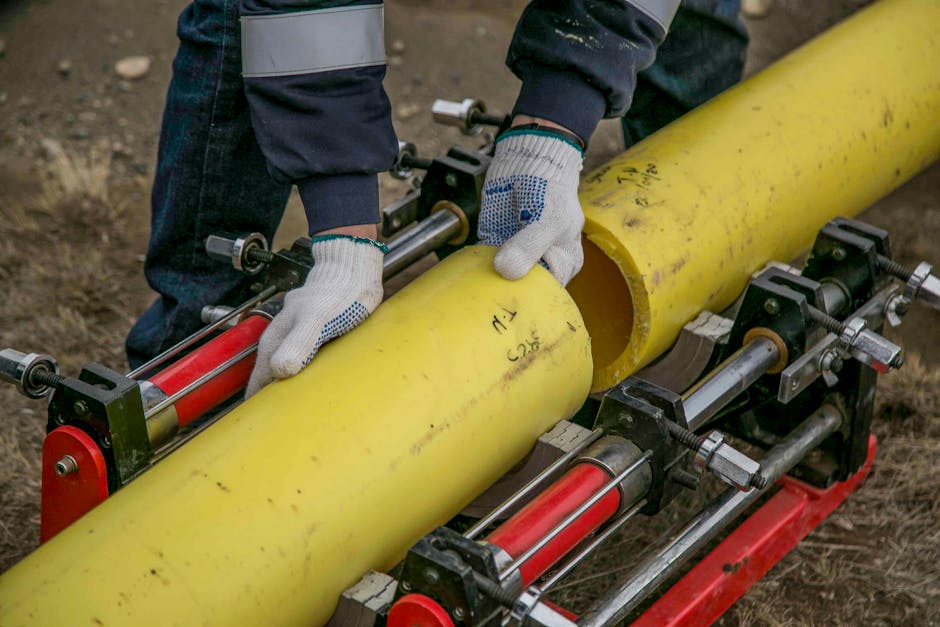
In a world where energy and strategic partnerships are more crucial than ever, the failed pipeline deal could be a harbinger of greater challenges for Russia. While Putin may have returned with the veneer of a diplomatic victory, the underlying tensions reflect a more precarious future.
This leaves us to ponder: how long can the façade of this partnership endure? As Russia continues to navigate its isolation, it seems increasingly likely that its relationship with China will reveal more cracks as both nations pursue their own agendas. The next chapter in this geopolitical saga may not be as bright for Russia as Putin imagines.
That tension around Putin putins is not going away.
Observers say Putin putins will shape the debate for months.
That tension around Putin China is not going away.
Source: BBC Asia