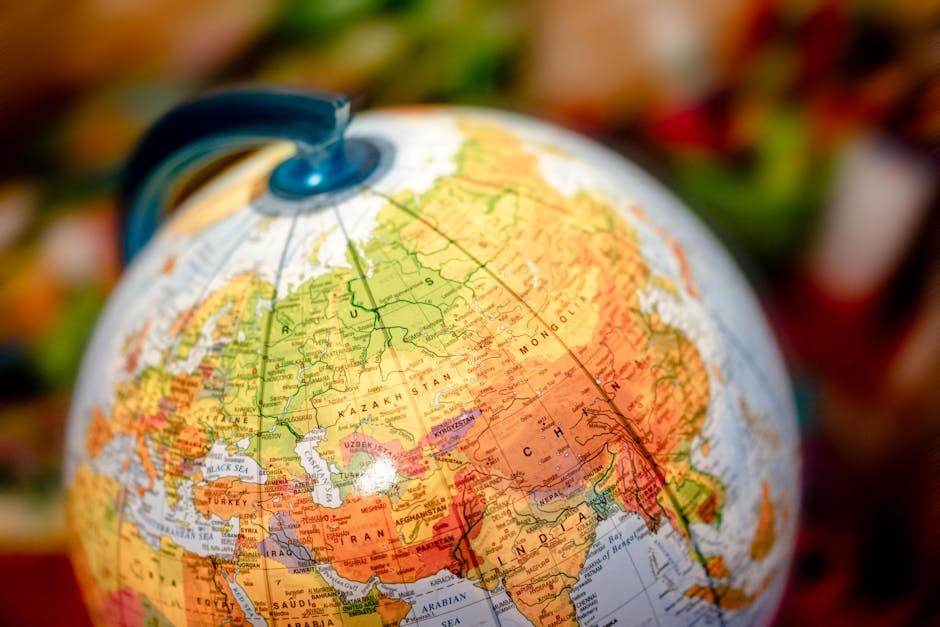
Putin Leaves frames the debate here: Putin’s recent visit to China is a stark reminder that even in a world where geopolitical alliances are touted as bulletproof, nothing comes without strings attached. The reality for Russia is that camaraderie does not automatically translate into lucrative deals. As the BBC reported, despite showcasing a united front, Putin returned from China without the pipeline deal he desperately sought.
The Limits of Russia-China Relations
In a carefully choreographed display of solidarity, Russia and China presented a united front on the global stage. Both nations are eager to counter Western influence, yet this meeting exposed the cracks in their partnership. While Putin basked in the warm reception from his Chinese counterpart, the absence of a significant pipeline agreement underscores the complexity of their relationship. China is not just a friend to Russia; it is a discerning partner that weighs its options carefully.
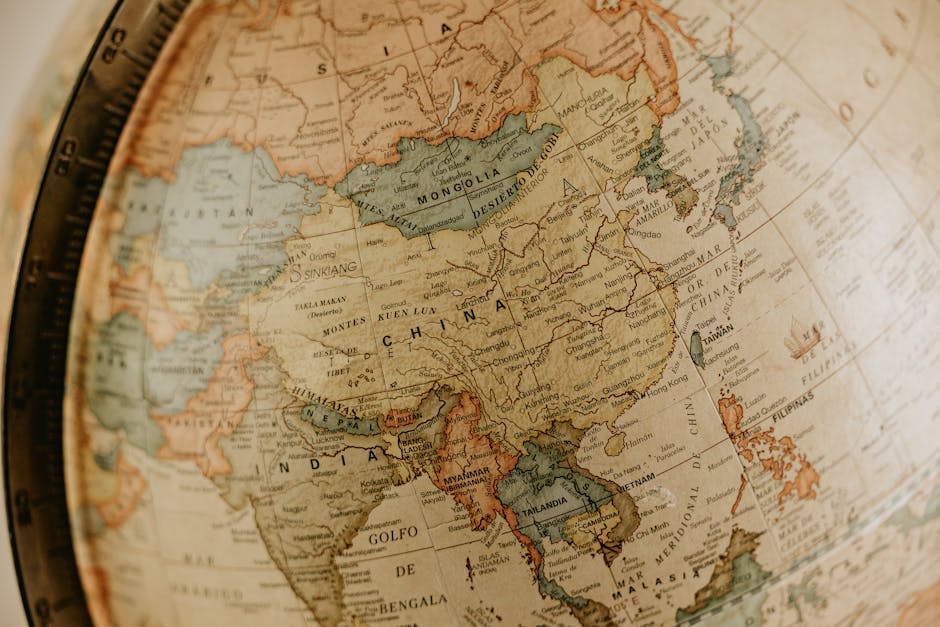
This is relevant now more than ever. With the ongoing conflict in Ukraine, Russia needs all the economic support it can muster. Meanwhile, China is navigating its own fraught position in the global economy, balancing its interests against the potential backlash from Western sanctions. The question lingers: why did Putin leave Beijing empty-handed? Was he unable to present a compelling case for China to invest in a new energy pipeline, or did Beijing simply have other priorities?
A Complicated Relationship
The stakes are high, and the ramifications are significant. While Putin may have enjoyed the pomp and circumstance of the visit, the reality for Russia is stark. The failure to secure a pipeline deal with China reveals that alliances, no matter how grandiose in rhetoric, are not always transactional. This could signal a growing hesitation within Beijing to fully commit to Russia, particularly when economic benefits are not immediately apparent.

China’s cautious approach is telling. The nation is not inclined to throw its weight behind Russia without a clear return on investment. For Russia, the loss here is twofold: it not only reinforces its status as a less desirable partner but also leaves it vulnerable against a backdrop of increasing isolation from the West. If Putin thought the Chinese embrace would translate into financial windfalls, he was sorely mistaken.
However, it’s essential to acknowledge that the dynamics of international relations are rarely black and white. China may still come around in the future, but for now, they seem unwilling to burn bridges with the West entirely. This dance of power reveals the delicate balancing act both countries must perform.
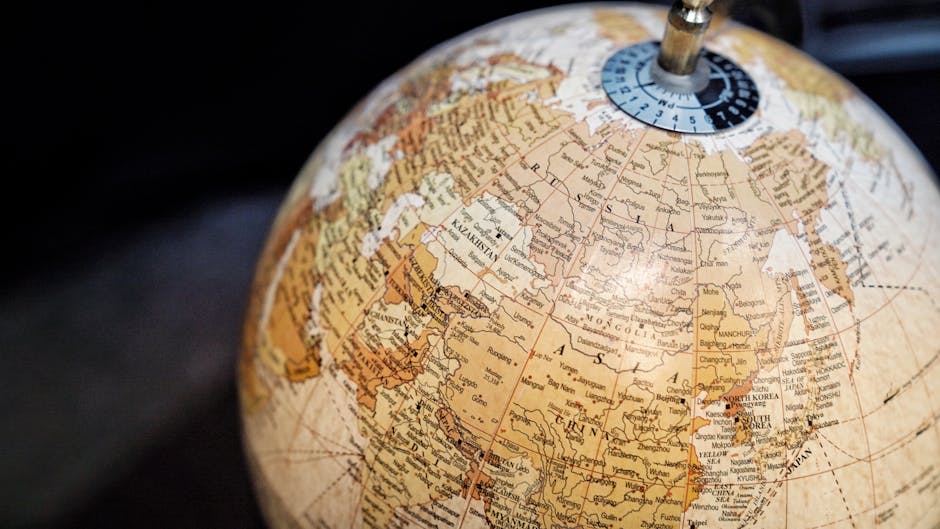
The mainstream narrative often overstates the strength of the Russia-China alliance, glossing over the nuances that dictate their interactions. As recent events illustrate, economic interests can overshadow political posturing. Putin’s visit may have been politically symbolic, but it serves as a potent reminder that in international diplomacy, even the strongest partnerships can falter.
As the world watches, we must question whether Russia can leverage its relationship with China effectively. With every failed negotiation, its strength diminishes while the West stands poised to capitalize on these gaps. In the end, the true victor of this dance may not be either Russia or China but rather other nations waiting in the wings, ready to exploit the fractures in this complicated relationship.
Putin’s next steps could define not only his future but also the fate of Russia itself. Will he adapt to a world where his former allies are not as reliable as he hoped? Only time will tell, but one thing is clear: the game of geopolitical chess is far from over, and Russia could find itself checkmated if it doesn’t play its cards right.
That tension around Putin Leaves is not going away.
Source: BBC Asia