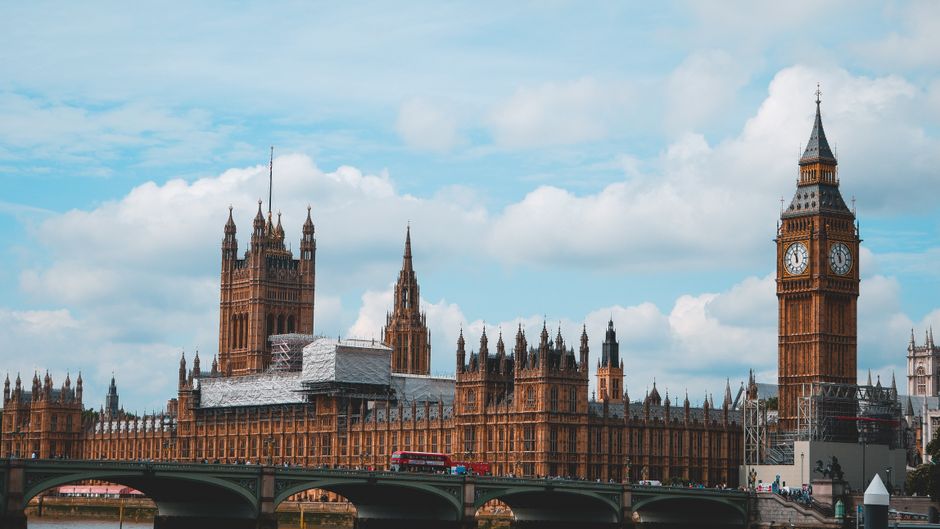
If you want to understand the true nature of British politics, don’t just *watch* the fiery debates; pay attention to the silence, the nods, and the rare moments of contrived civility. What happened in the Commons this week wasn’t just unusual; it was a carefully choreographed farewell, a final curtain call designed to rewrite a legacy.
According to the BBC, Sir Keir Starmer’s final appearance at Prime Minister’s Questions was marked by a distinctly warmer and less confrontational atmosphere than typically seen. This stark departure from the usual parliamentary sparring raised eyebrows across Westminster.
The Unusual Spectacle to Watch
Prime Minister’s Questions, for decades, has been the crucible of British political theatre, a unique institution in parliamentary democracies. It’s a gladiatorial arena where the Prime Minister and the Leader of the Opposition trade blows, where sharp wit and even sharper barbs are the expected currency. This weekly ritual is designed to expose weakness, challenge policy, and, frankly, entertain the public with its raw, often brutal, exchanges. It’s where reputations are made and broken, where the intensity of political combat is laid bare for all to *watch*.
Therefore, to witness such a significant figure as Starmer, an outgoing Prime Minister no less, receive a ‘warmer’ send-off is not merely a polite gesture; it’s a profound deviation from the norm. This marks a moment of transition, certainly, but also a carefully choreographed performance for the history books. It suggests a deliberate desire to conclude a chapter not with a bang of partisan fury, but with a carefully modulated whimper, cloaked in an almost forced mutual respect. Such a display inevitably raises questions about the sincerity of the moment, especially given the cut-throat nature of Westminster.
Starmer’s tenure as Prime Minister, while undoubtedly impactful, has also been defined by intense political division and the relentless scrutiny that comes with the top job in the United Kingdom. From the economy to social policy, his government faced constant challenges and fierce opposition. For his final PMQs to deviate so sharply from this established pattern is not just noteworthy; it prompts us to scrutinize the underlying motivations of all involved, and what political message they truly intended to convey on this historic occasion.
Beyond the Handshakes: A Calculated Farewell
Let’s be clear: this wasn’t spontaneous affection born of sudden camaraderie. Politics, especially at the highest level, is rarely about genuine sentiment; it’s about optics, power, and the framing of narratives that serve strategic ends. Starmer, on his way out of Number 10, benefits immensely from a narrative of dignified statesmanship and a graceful departure, rather than a bitter, acrimonious exit that could taint his legacy. This ‘warm send-off’ helps solidify an image of a leader who, despite the battles, ultimately commanded respect, even from his fiercest opponents.
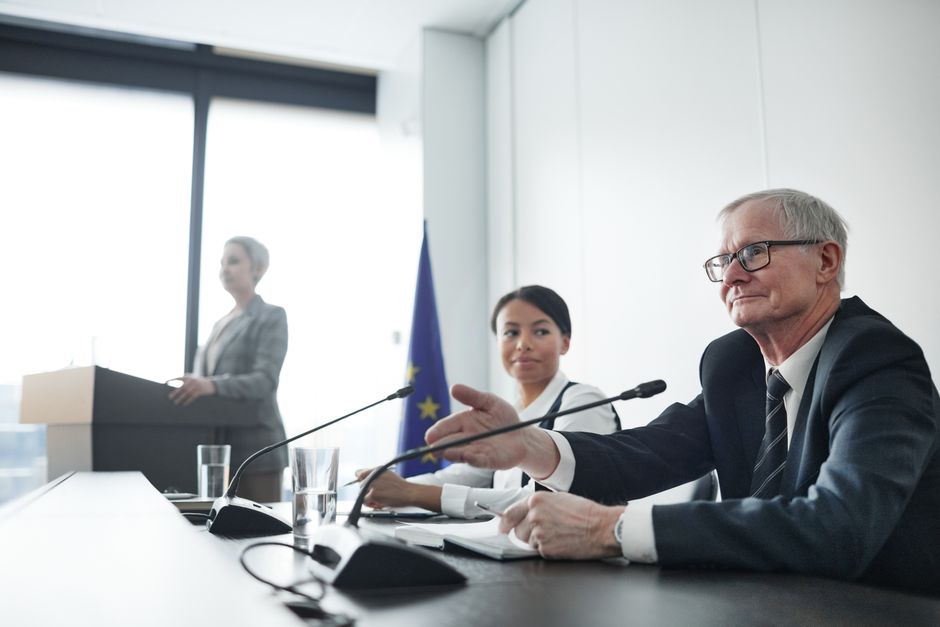
Furthermore, for the incoming administration, or even the opposition benches who participated in this rare display of geniality, there’s a distinct advantage to be gained. It allows them to appear magnanimous, to signal a potential shift towards a less toxic political environment, however fleeting that promise might be. It’s a soft power play, a moment to reset public perception and perhaps even lower the temperature of political debate, at least for a moment, before the inevitable return to trench warfare. This brief truce can be spun as a sign of maturity, a nod to the stability of the British political system, even as underlying tensions persist.
However, we must ask: at what cost does this performative civility come? Does it inadvertently mask the very real policy disagreements, the deep ideological divides that still plague the nation and require robust, even confrontational, debate? Does it paper over the cracks in a system that too often prioritizes personal attacks over substantive discussion, only to momentarily suspend hostilities for a photo op? Some might argue it’s a welcome sign of maturity, a necessary evolution in our political discourse, demonstrating a capacity for unity in moments of transition.
I would counter that it’s a dangerous precedent if mistaken for genuine reconciliation without underlying policy shifts or a true commitment to cross-party cooperation beyond the ceremonial. The British public deserves more than a polite farewell; they deserve consistent, respectful, and *substantive* debate, not just a carefully curated swan song. The true test of leadership isn’t found in a graceful exit, but in the gritty, often unglamorous, work of governing with integrity and transparency throughout one’s tenure. To simply *watch* the pleasantries and ignore the deeper currents would be a disservice to informed commentary.
This moment, while aesthetically pleasing for a news clip and undoubtedly providing a brief respite from the usual vitriol, does little to address the systemic issues within British political culture. It’s a momentary ceasefire, a temporary suspension of hostilities, before the next battle inevitably begins. True diplomacy within our domestic political sphere isn’t about staged handshakes; it’s about finding common ground on difficult issues, a task far removed from the theatrical farewell of a Prime Minister’s Questions. The real challenge lies in transforming these fleeting gestures into lasting change.
So, as the Commons applauds and the cameras pan away, ask yourself: was that the end of an era, or just the beginning of a new form of political illusion? The curtain may have fallen on Starmer’s PMQs, but the real show – the relentless struggle for power and principle – continues, demanding our constant, critical attention.
Source: BBC UK